Tartarian Buildings and Architecture. 17
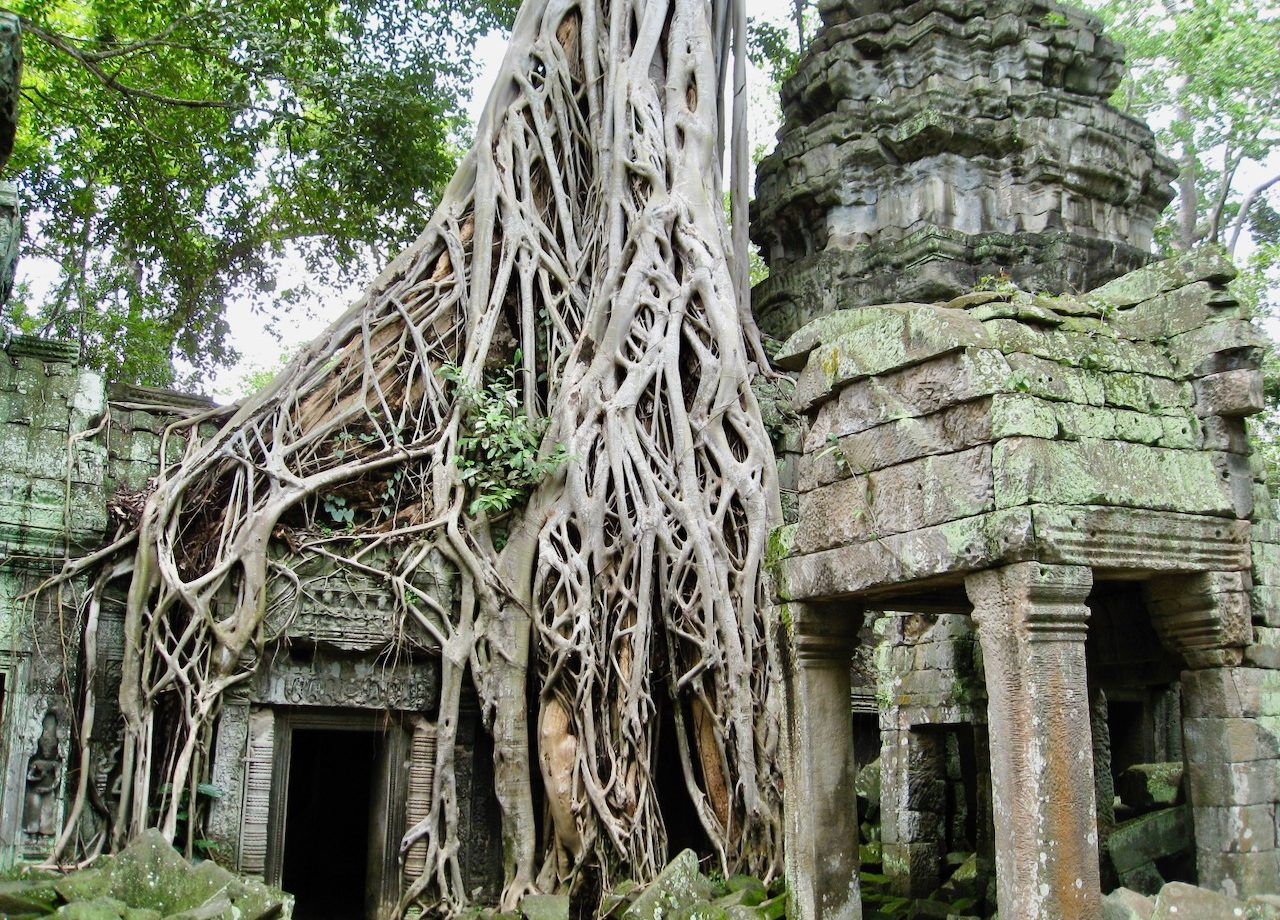
Angkor Wat is the largest religious monument in the world, covering approximately 162.6 hectares (400 acres) in northern Cambodia. Originally built in the early 12th century as a Hindu temple dedicated to the god Vishnu, it transitioned into a Buddhist site by the 14th century and remains an active place of worship. It is the best-preserved structure within the larger Angkor Archaeological Park, which was declared a UNESCO World Heritage Site in 1992.
History and Construction
• Origin: Commissioned by Khmer King Suryavarman II between 1113 and 1150 CE to serve as his state temple and eventual mausoleum.
• Engineering: Constructed from roughly 5 to 10 million sandstone blocks, some weighing up to 1.5 tons, which were transported from quarries over 50 km away using a sophisticated network of canals.
• Workforce: Historical estimates suggest the project involved approximately 300,000 labourers and 6,000 elephants over nearly 30 years.
Architectural Design
The temple is a masterpiece of Khmer architecture, combining "temple-mountain" and "galleried temple" designs.
• Symbolism: Its layout represents Mount Meru, the mythical home of the gods; the five central lotus-bud towers represent mountain peaks, and the surrounding 190-metre-wide moat represents the cosmic ocean.
• Orientation: Unlike most Khmer temples that face east, Angkor Wat is oriented to the west, which scholars believe signifies its role as a funerary temple associated with the setting sun.
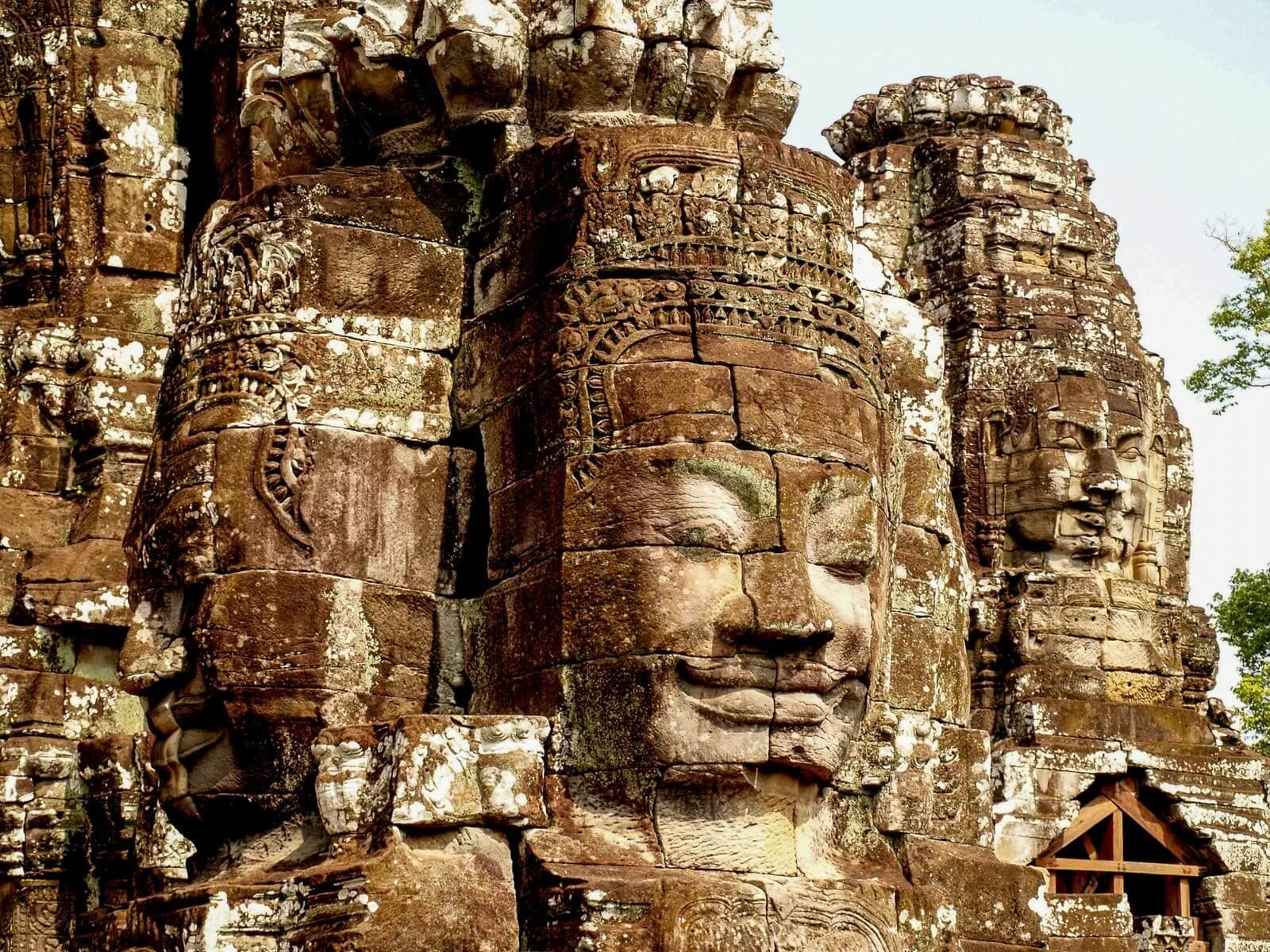
• Artistry: Nearly every wall is covered in intricate bas-reliefs, including an 800-metre sequence depicting Hindu epics like the Ramayana and Mahabharata, alongside nearly 2,000 carvings of Apsaras (celestial dancers).
The construction of Angkor Wat is a marvel of pre-industrial engineering, completed in roughly 30 to 37 years without modern machinery. It relied on a massive coordinated effort involving an estimated 300,000 workers and 6,000 elephants.
- Transporting 10 Million Stones
The temple was built using approximately 5 to 10 million sandstone blocks, some weighing up to 1.5 tons.
• The Shortcut: For years, it was believed stones were moved 90 km via rivers. However, satellite imagery recently revealed a 35–37 km canal network.
• Method: Workers quarried stone from the Kulen Mountains and floated the blocks on bamboo rafts along these canals directly to the construction site.
"Floating" Foundations
Because the local soil is primarily loose sand, the temple's massive weight could have caused it to sink.
• Hydraulic Stability: Engineers used the giant moat to manage groundwater levels. By keeping the sand underneath the temple constantly saturated and "wet," they created a stable, hydraulic foundation that has prevented the structure from crumbling for nearly 900 years.
• Laterite Core: They used laterite (a porous, iron-rich clay) for the hidden internal foundations and walls because of its durability, then encased it in sandstone for fine carving.Mortar-Free Precision
The stones were fitted together so tightly that joints are often invisible to the naked eye, sometimes with gaps as narrow as 0.5mm.
• Interlocking Joints: Builders used mortise and tenon joints and dovetails rather than traditional mortar.
• Vegetable Binding: Some evidence suggests they used natural resins or slaked lime as a subtle binding agent, though the exact "glue" remains a subject of study.Carving After Construction
Unlike modern buildings where pieces are often finished before assembly, Angkor Wat was likely carved in situ.
• Rough blocks were stacked first, and then thousands of artisans carved the intricate bas-reliefs and Apsaras directly into the standing walls.
• You can still see unfinished sections today where the outlines were sketched but the carving was never completed, likely due to the king's death.