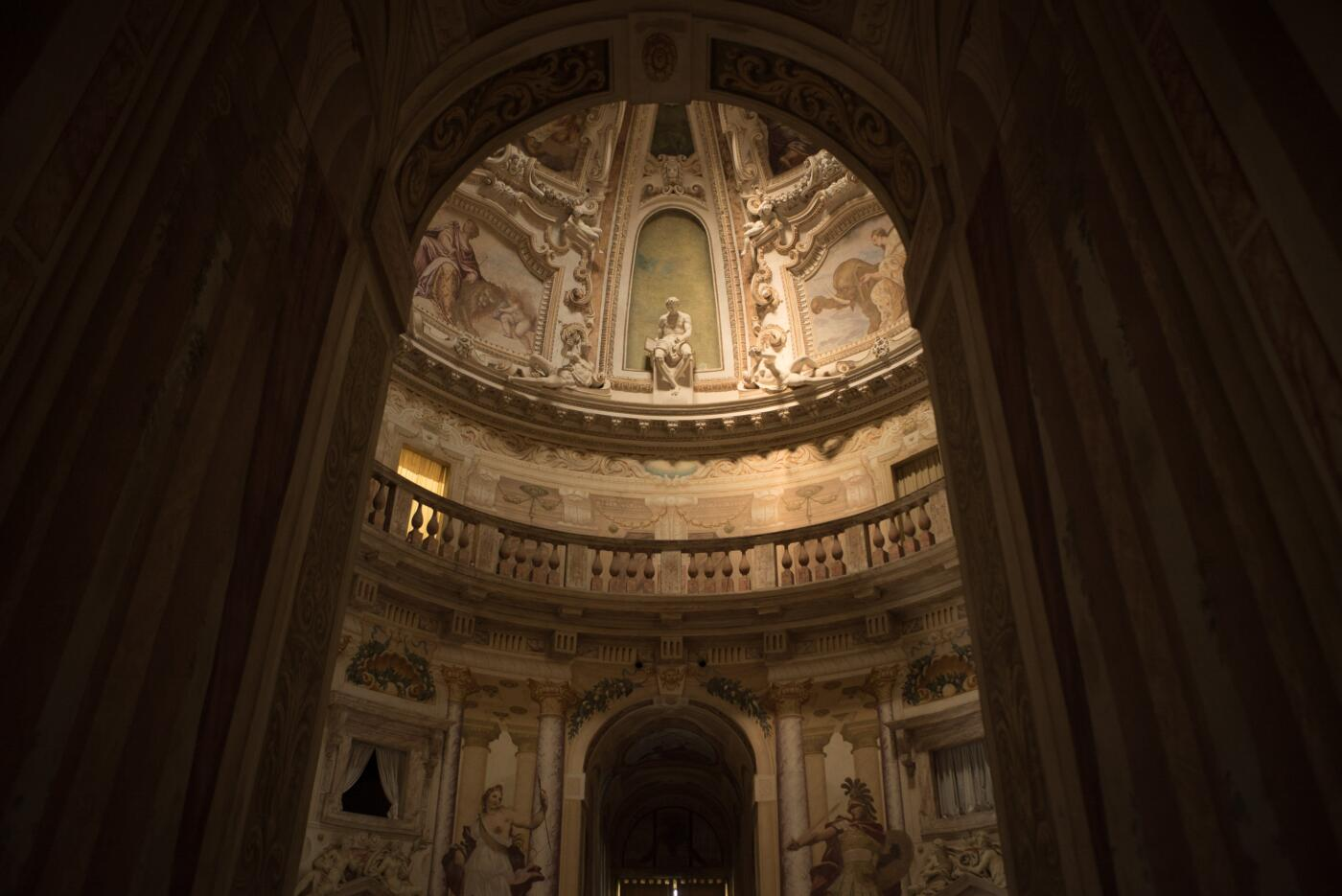
Tartarian Buildings and Architecture. 25
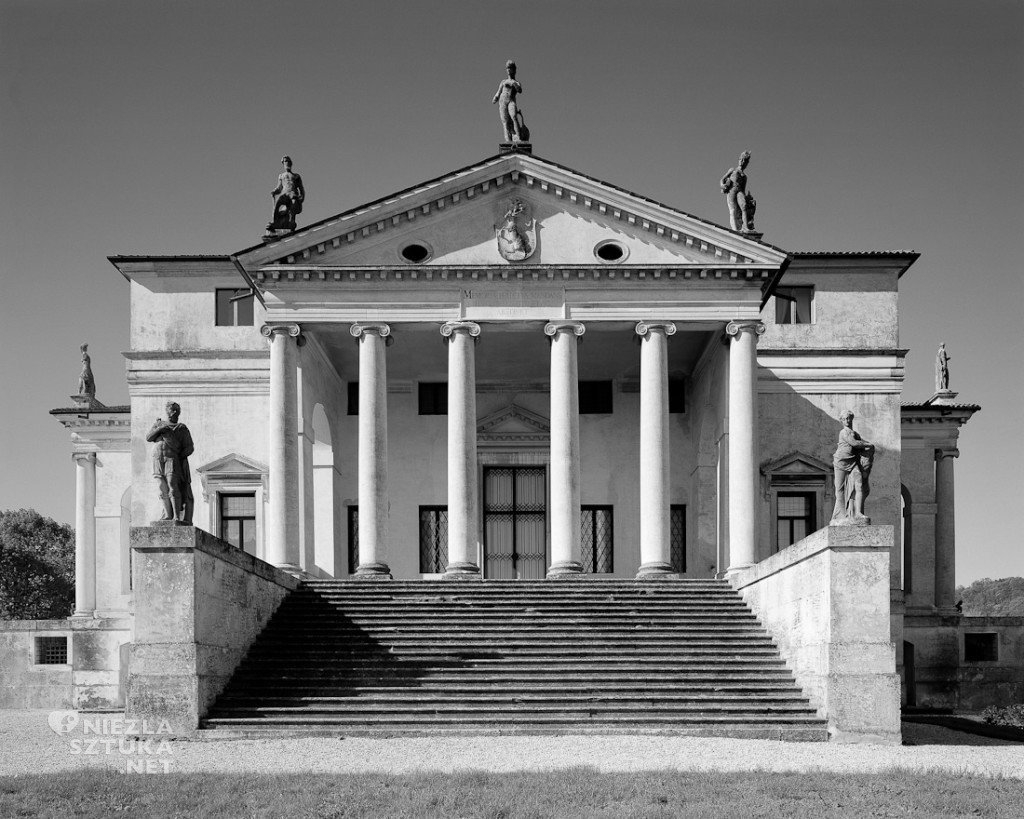
The building shown in the image is Villa La Rotonda, also known as Villa Almerico Capra. It is a Renaissance country house located just outside Vicenza in northern Italy.
History and Design
• Architect: It was designed by the highly influential Italian Renaissance architect Andrea Palladio.
• Origins: Commissioned by wealthy Venetian priest Paolo Almerico in 1566, construction began in 1567.
• Symmetry: The building is famous for its perfect symmetry, featuring a square plan with four identical facades, each with its own projecting portico.
• The Name: Its nickname "La Rotonda" refers to the central circular hall topped by a dome, a design inspired by the Pantheon in Rome.
• Status: In 1994, the villa was designated as part of a UNESCO World Heritage Site ("City of Vicenza and the Palladian Villas of the Veneto").
Architectural Influence
Villa La Rotonda is considered a masterpiece of the Renaissance era and a symbol of harmony and proportion. It served as a prototype for classical architecture across Europe and North America, influencing styles such as Georgian and Federal.
Yes, Villa La Rotonda is widely considered one of the most geometric and precise buildings in architectural history [12, 14].
Its design is rooted in the Renaissance ideal of mathematical perfection through several key features:
• Bilateral Symmetry: The building is perfectly symmetrical from every angle. It is built on a square plan with four identical facades, making it look the same from all four sides [12, 19].
• Geometric Shapes: Palladio used basic geometric forms—the square for the base and the circle for the central dome—to create a sense of divine harmony [12, 19].
• Precise Proportions: Every dimension of the villa was calculated using specific mathematical ratios. These proportions were intended to reflect the harmony of the universe and "musical" intervals in physical form [12, 14].
• The Rotonda: The name itself comes from the central circular hall, which is perfectly inscribed within the square of the villa's walls, echoing the precision of the Roman Pantheon [1, 12].