Tartarian Buildings and Architecture. 8
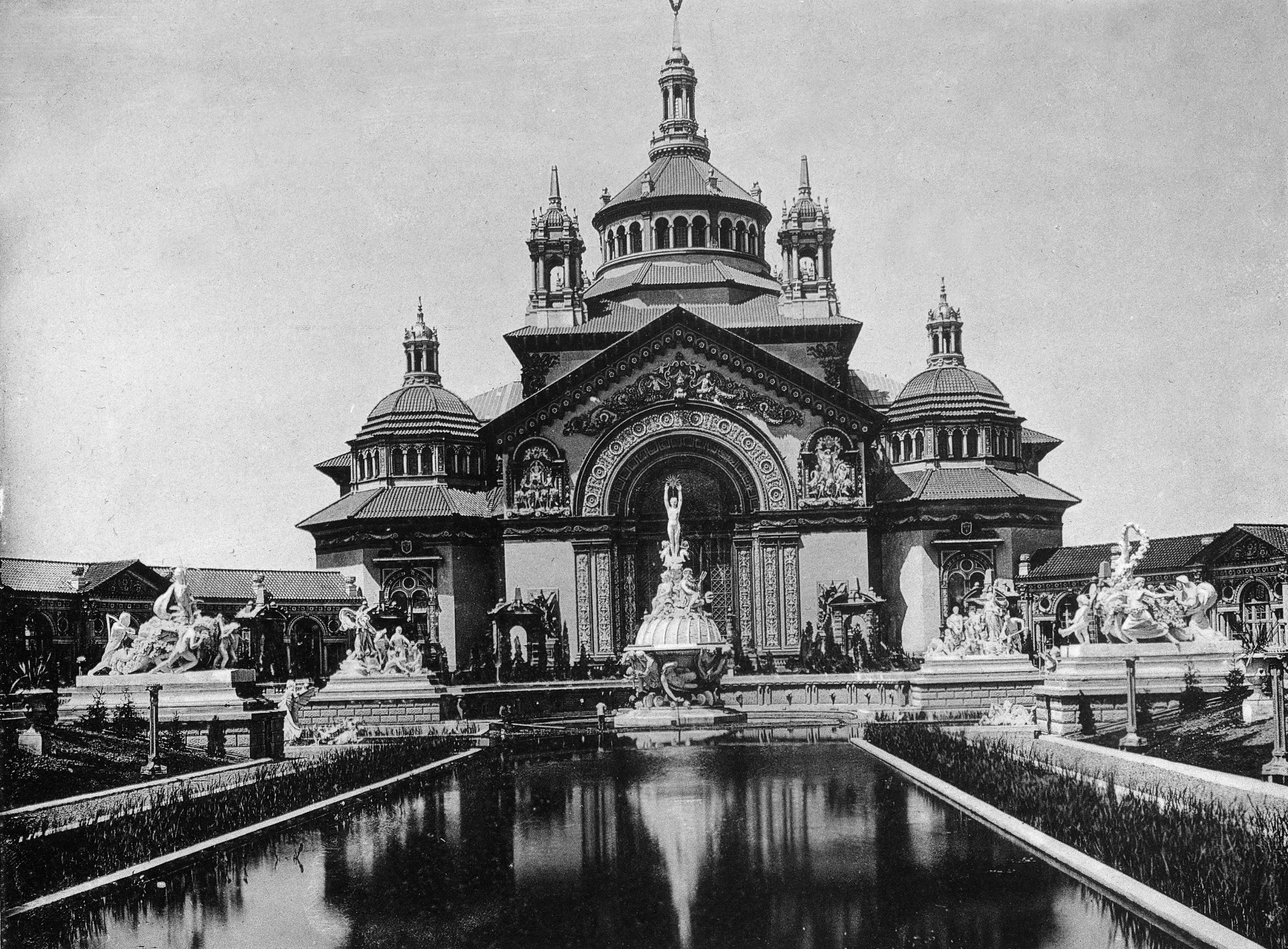
The image above features the Horticulture Building, which was a prominent structure at the Pan-American Exposition held in Buffalo, New York, in 1901.
Historical Context
• Purpose: The building was part of a major world's fair designed to celebrate the achievements of the Western Hemisphere. It was designed by the architectural firm Peabody and Stearns.
• Location: The Exposition took place on a large site in Buffalo between May 1 and November 2, 1901.
• Architecture: The Horticulture Building was known for its ornate, Spanish Renaissance-style architecture and was part of a group of structures that included the Mining and Graphic Arts buildings.
• Fate: Like most buildings constructed for world's fairs during that era, it was intended to be temporary and was demolished shortly after the exposition ended.
Construction Milestones
• Groundbreaking: Work officially began on September 26, 1899, with hundreds of men using horse-drawn equipment to grade the 350-acre site.
• Rapid Expansion: By late 1900, thousands of workers were racing to complete nearly 90 major buildings before the winter freeze.
• Materials: Construction photos from this era often show the skeletal wooden and steel frames of buildings being covered with "staff"—precast panels of plaster and hemp fiber.
• Infrastructure: While the buildings rose, other crews simultaneously excavated miles of canals and lagoons, and landscapers installed thousands of trees and shrubs.
Documenting the Process
• Progressive Views: The Buffalo History Museum holds collections showing the grounds in various stages, including aerial-style views from August and October 1900.
• Specific Highlights: Photos exist showing the tall steel framework of the Electric Tower under construction in 1900, as well as collections of sculptures held in storage before being mounted on the buildings.
• Unfinished Sites: Interestingly, the building meant for principal art exhibitions (now the Albright-Knox Art Gallery) was so permanent and complex that it remained unfinished during the entire 1901 fair, finally opening in 1905.
The Move to 1902 (Demolition)
By 1902, the focus shifted from construction to systematic dismantling. Following the exposition's close in late 1901, the Chicago House Wrecking Company began stripping the temporary structures for salvageable lumber and steel.
Does this make sense?