The Digital Shift: How Technological Advances are Reshaping Employment
The landscape of the modern workplace is undergoing a seismic shift. Driven by breakthroughs in artificial intelligence, automation, and machine learning, technological advancement is no longer just a trend—it is a fundamental restructuring of how, where, and why we work. As we navigate this transformation, it is essential to understand both the challenges and the opportunities it presents for the global labor market.
The Automation Paradox
The most immediate impact of technology on employment is the automation of routine tasks. Sectors ranging from manufacturing to data entry have seen a decline in traditional roles as software and robotics increase efficiency.
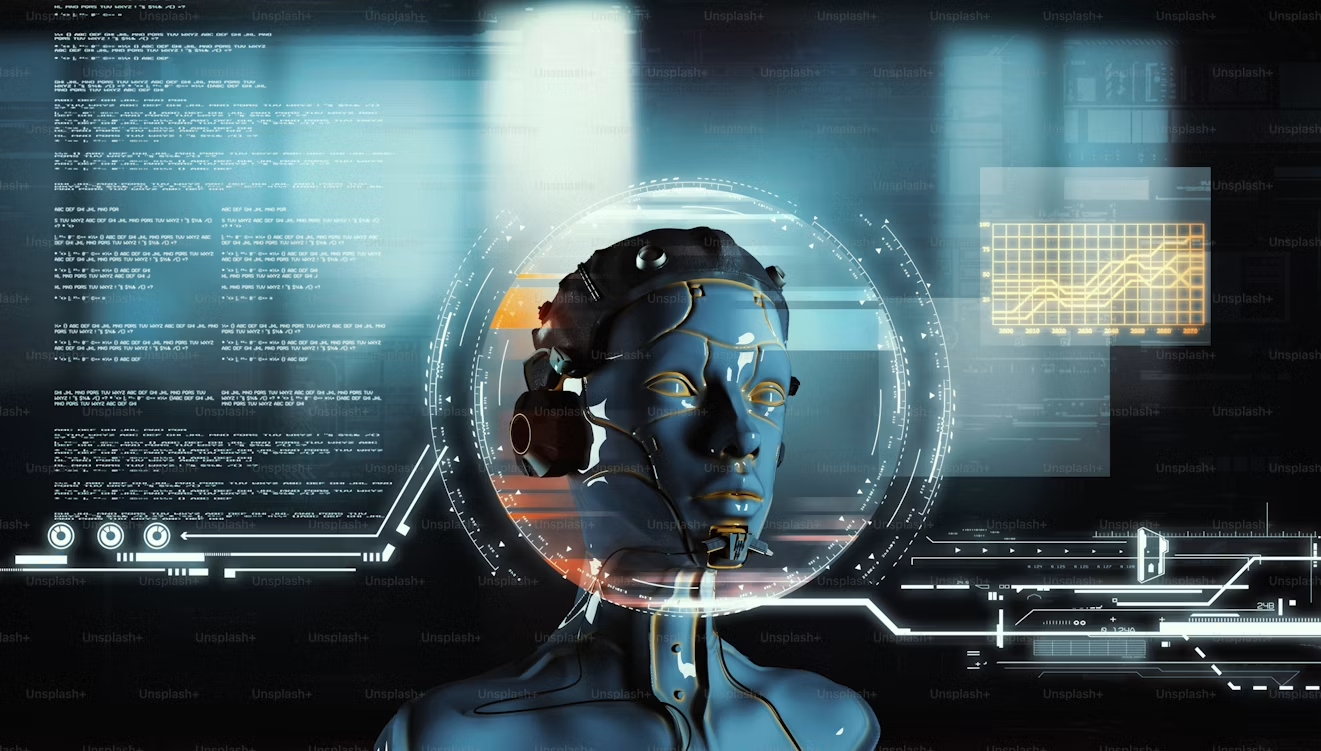
This has sparked widespread anxiety regarding job displacement. However, history reminds us that technological revolutions consistently act as a catalyst for creative destruction; while old roles vanish, new categories emerge. The focus is shifting away from manual, repetitive labor toward roles centered on complex problem-solving, emotional intelligence, and technical oversight.
The Rise of the Skills Economy
As machines take over tactical execution, the value of human-centric skills has skyrocketed. Employers are increasingly prioritizing critical thinking, adaptability, and cross-functional collaboration—traits that remain difficult for AI to replicate. Consequently, the "skills gap" has become a central theme in modern HR strategy. The future of work is not about competing with machines, but rather augmenting human capability through human-machine collaboration.
Towards a Flexible Future
Technology has also redefined the nature of employment. The rise of digital collaboration tools has enabled the explosive growth of remote work and the gig economy, offering workers unprecedented autonomy. While this creates a more inclusive global talent pool, it also challenges traditional employment structures, necessitating new policies around benefits and job security.
Ultimately, the impact of technology on employment is not a zero-sum game. By embracing lifelong learning and prioritizing human-centric skills, the workforce can adapt to this digital era, turning potential disruption into a new horizon of professional opportunity.