The Hidden Menace of Electronic Waste: Breaking the Cycle Before It's Too Late
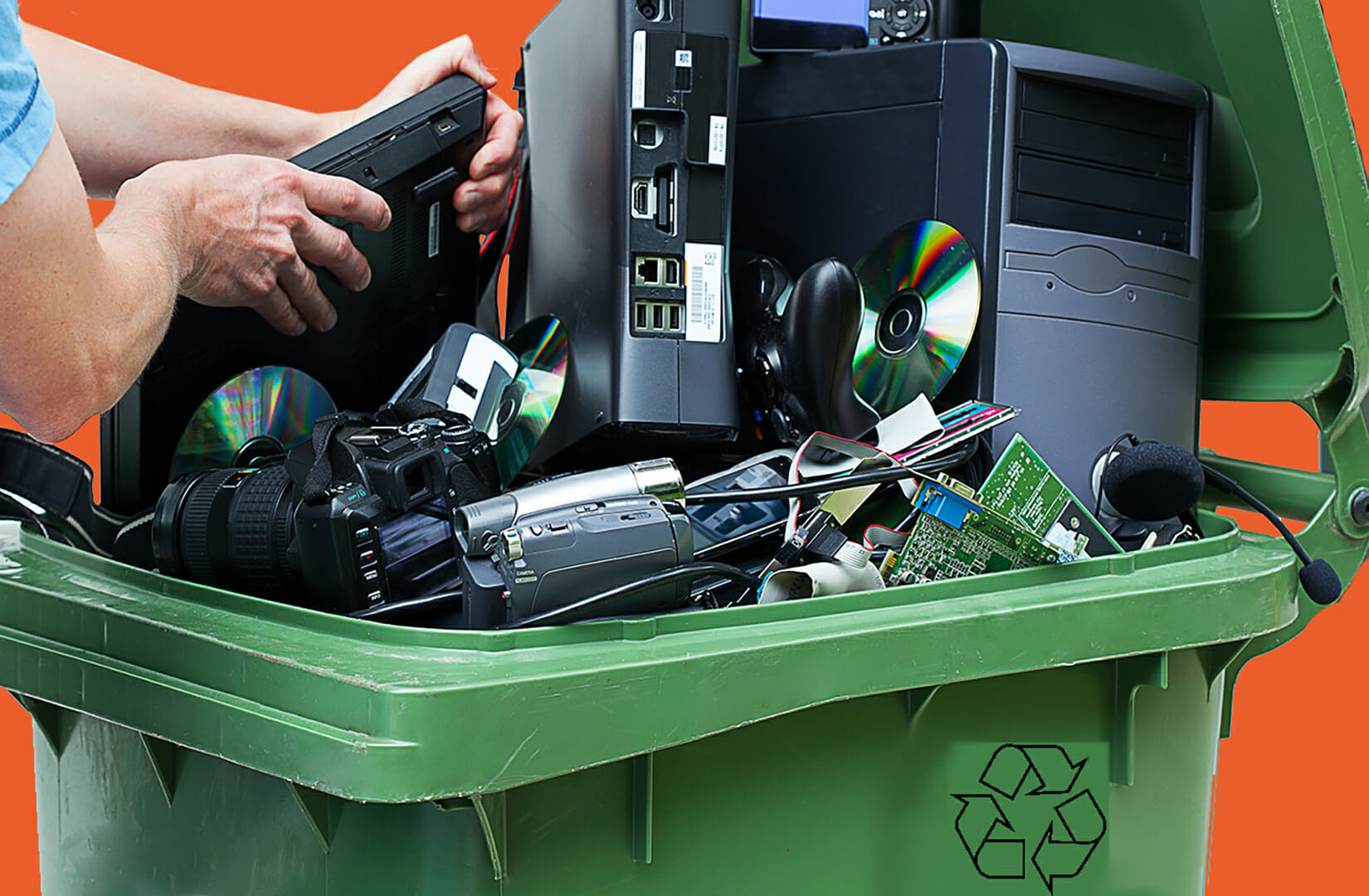
Old phones, broken laptops, dead batteries most of us shove them in a drawer or toss them in the trash without a second thought. But that convenience comes at a steep price. Electronic waste, or e-waste, has exploded into one of the planet's biggest disposal headaches.
In 2022, the world dumped 62 million tonnes of it equivalent to 1.55 million fully loaded trucks lined up bumper-to-bumper around the equator. Only about 22.3% got properly collected and recycled, meaning the rest either rots in landfills or gets burned in backyards, releasing poisons into the air, soil, and water.
This isn't slowing down. Generation keeps climbing by roughly 2.6 million tonnes every year, and experts project we'll hit 82 million tonnes by 2030 if nothing changes. That's a 32% jump from recent levels, with recycling efforts lagging far behind. Valuable stuff like gold, copper, silver, and rare earths worth tens of billions sits unused, while toxic leftovers build up. The problem hits hardest in places with weak rules, but no corner of the globe escapes the fallout.
Why E-Waste Keeps Piling Up
Our gadgets die young these days. Phones get replaced every couple of years, laptops last a bit longer, but planned obsolescence and flashy new features drive constant turnover. Add exploding demand for smartphones, smart home devices, and electric vehicle batteries, and the pile grows relentlessly.Regionally, patterns vary sharply.
Europe generates the most per person around 17.6 kg annually and recycles a solid 42.8% thanks to strict laws. Asia produces the largest total volume because of sheer population size. In Africa and parts of Latin America, formal recycling barely registers below 1-5%, with much of the waste handled informally or shipped in from richer countries.
The real kicker? Those 62 million tonnes held about $91 billion in recoverable materials in 2022, but only a fraction got pulled out cleanly. The rest represents lost resources and mounting cleanup bills.
The Damage It Does to Land, Water, and Air
When electronics end up in dumps or get torched, the toxins don't stay put. Lead from old screens, mercury in switches, cadmium from batteries, and flame retardants leach out over time. Soil takes the first hit tests near major dump sites show heavy metal levels sky-high, often 100 times safe limits, killing off plants and microbes that keep land fertile.
Rain carries the mess into rivers and groundwater, where fish absorb mercury and pass it up the food chain. Burning circuit boards pumps out dioxins, furans, and other nasty gases that drift far, fouling air quality and adding to climate warming.
Wildlife suffers too. Recent findings show chemicals from screen displays accumulating in dolphin and porpoise brains and tissues, hinting at broader ocean impacts. Ecosystems near processing hubs turn barren, biodiversity drops, and the cycle feeds more mining for virgin materials, scarring landscapes further.
The Toll on People's Health
The human cost runs deep, especially for those closest to the mess. In informal recycling spots common in parts of Asia and Africa—workers, often including kids, smash devices by hand, breathe acid fumes, and handle poisons without gear.
Lead messes with brains and kidneys, mercury damages nerves and causes tremors, cadmium weakens bones. Burning releases cancer-linked dioxins. Studies tie exposure to higher rates of lung problems, reproductive issues, developmental delays in children, and even DNA damage. Pregnant women pass toxins to babies, leading to lower birth weights or neurological harm. Communities near sites face elevated chronic diseases, miscarriages, and shortened lifespans.
Even distant populations feel ripples through polluted food and water. The World Health Organization flags e-waste as a major threat, with millions at risk from these exposures.
The Flip Side: Massive Lost Value and Economic Strain
Beyond harm, the waste represents squandered wealth. Proper recycling could recover billions in metals, create jobs, and cut raw material demand. The recycling sector itself could grow to nearly $50 billion soon, driven by better tech and rules.
But low rates mean governments foot cleanup costs, companies chase scarce resources, and health systems deal with fallout. Shifting to circular models where materials loop back could flip those losses into gains.
Real Solutions That Are Gaining Ground
No single magic bullet exists, but proven steps are stacking up.
- Stronger Producer Rules: Extended producer responsibility laws force companies to fund take-back and recycling. Places like Singapore and parts of Europe show higher collection when makers handle the end game.
Smart Collection Tools: Apps like Egypt's E-Tadweer reward users for dropping off old gear, turning disposal into a perk. Color-coded bins in spots like Cambridge have spiked small-item recovery dramatically.
Tech Upgrades: Robotics and AI sort materials faster and safer, pulling out valuables without human risk. Chemical methods recover metals efficiently, and modular designs let devices break apart easily for repair or reuse.
Repair and Reuse Push: Right-to-repair movements and refurb programs extend gadget life. Donating working items or buying refurbished keeps stuff out of dumps.
On-Site Solutions: Small-scale plants process waste locally, turning plastics into new filaments or extracting gold cleanly.
Individuals can help: repair when possible, recycle through certified spots, avoid trashing working tech. Buy durable or refurbished gear to slow the churn.
On the large scale, governments need tougher enforcement, companies better designs, and everyone more awareness. If we ramp collection to 60% by 2030, the payoffs economic, environmental, health would dwarf the effort.
E-waste stems from our tech addiction, but we hold the power to manage it smarter. Ignore it, and the pile grows toxic. Tackle it head-on, and we turn yesterday's junk into tomorrow's resources. The clock's ticking let's not wait for the mess to bury us.
##ARTICLE SOURCES
-The Global E-waste Monitor 2024 – ITU & UNITAR
-Electronic waste (e-waste) – World Health Organization
-The Global E-waste Monitor 2024 – International Telecommunication Union
-E-waste chemicals in dolphins and porpoises – American Chemical Society
-7 ways to boost e-waste recycling – World Economic Forum
-Innovative Ways to Reduce E-Waste – Population Education