Before You Quote It, Check Whether the Page Is the Full Document
A webpage can appear complete while containing only part of the original material.
It may be an abstract, preview, excerpt, executive summary, press release, sample chapter, translated selection, or automatically generated snippet. The page can still be useful, but its role changes what it can support.
A summary may accurately describe a report without containing its method or limitations. An excerpt may preserve a memorable argument while omitting the author’s qualification. A preview can display several pages without revealing that the complete document requires another route.
Before quoting or relying on a page, determine whether it represents the complete work and whether the missing sections matter to the claim.
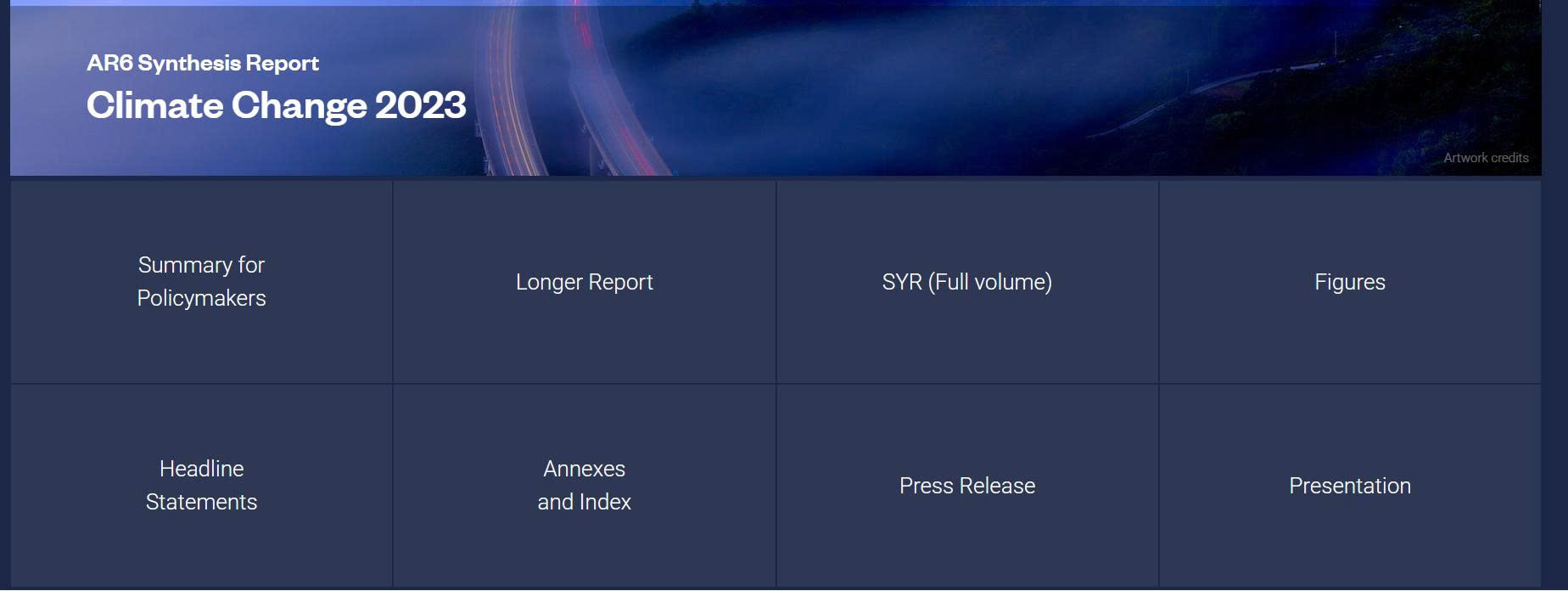
Identify Completeness Signals
Begin with the labels surrounding the content.
Look for words such as:
- Abstract
- Summary
- Executive summary
- Excerpt
- Preview
- Sample
- Introduction
- Highlights
- Selected findings
- Press release
- Transcript excerpt
- Adapted from
- Read more
- Continue reading
- Download full report
These labels indicate that the visible page may have a narrower role.
Do not assume that a long page is complete. A detailed executive summary can contain several sections while still omitting the full methodology and appendices.
A short page is not automatically an excerpt either. The original work may simply be concise.
Describe the page according to what it claims to be:
This page presents the executive summary of a larger report.
That statement is more accurate than calling it the report itself.
If no completeness label appears, compare the title, structure, ending, references, and surrounding navigation.
Examine the Beginning and Ending
Incomplete pages often reveal their status at the edges.
At the beginning, check whether the page introduces another work:
- This report examines...
- The complete study...
- In the following chapter...
- This extract is taken from...
- Key findings include...
At the end, look for:
- Continue reading
- Purchase the book
- View the complete report
- Download the full document
- Sign in for access
- Read the methodology
- Additional chapters
- References available elsewhere
An abrupt ending can also be a clue. The final paragraph may stop in the middle of an argument or refer to a conclusion that is not visible.
Check whether headings skip numbers. A page containing sections 1, 2, and 5 may be a selected extract.
References to missing figures, tables, appendices, or footnotes indicate that the page does not preserve the complete context.
Do not reconstruct missing content from assumptions. Record what is absent and locate the responsible complete version when the material matters.
Compare the Page With the Original Work
Use identity clues to locate the larger publication.
Record:
- Complete title
- Author or organization
- Publisher
- Publication date
- Document identifier
- Edition or version
- Chapter or section title
- Distinctive phrase
- File type
Begin with the responsible publisher’s website, document library, author profile, or publication archive.
Compare the visible page with the complete work:
- Does the title match?
- Is the author the same?
- Does the publication date agree?
- Is the excerpt copied exactly or adapted?
- Are limitations preserved?
- Are data and quotations unchanged?
- Does the complete work contain corrections?
- Is the visible page based on the current edition?
A press release may summarize a study accurately for a general audience while omitting uncertainty and methods. The study, not the release, is usually the stronger source for technical claims.
A book preview may be suitable for discussing the visible passage. It should not be treated as evidence about chapters that were not available.
Understand Why Material Is Missing
Incomplete access can result from several different conditions.
The page may be:
- Deliberately summarized
- Limited by subscription
- Restricted to registered users
- A promotional sample
- A translated selection
- Part of an educational preview
- An archived fragment
- Generated from search metadata
- Damaged during migration
- Missing embedded content
Do not try to bypass access controls.
When the complete work requires payment, membership, institutional access, or permission, record that condition. An accessible summary can still be used within its limits.
Distinguish an intentional excerpt from a broken page. If images, paragraphs, or references fail to load because of a technical error, the publisher may not have intended to present an incomplete version.
Check another device or public route only when doing so is safe and relevant. Do not copy private session parameters or request another person’s credentials.
If a complete version cannot be accessed, avoid claiming that the unseen material supports your conclusion.
Use Discovery Routes to Locate Candidate Versions
Search results, directories, catalogs, indexes, and resource collections can help locate other versions of a work.
When an additional categorized discovery point is useful, a 사이트모음 may be considered as one reference while identifying possible websites. Confirm every candidate’s final domain, responsible operator, current content, publication role, version, and access conditions independently.
A discovery route can produce candidates. It does not prove that a candidate is complete, authorized, or current.
Search using combinations of:
- Exact title
- Author
- Publisher
- Document identifier
- Edition
- Year
- Chapter title
- Distinctive quotation
- File format
Be cautious when several websites reproduce the same excerpt. They may all depend on one incomplete source.
If a third-party copy claims to contain the complete work, compare its publisher, pagination, structure, references, and edition with the responsible source.
Do not download unfamiliar files or bypass browser warnings merely to obtain a supposedly complete copy.
Quote and Cite According to the Version Used
A quotation should be attributed to the version where it was actually verified.
If you read only an excerpt, identify it as an excerpt. Do not cite the complete report as though every part was reviewed.
Preserve:
- Page or section viewed
- Version type
- Author
- Publisher
- Publication date
- Checked date
- Access condition
- Relationship to the complete work
For example:
The quotation was verified in the publisher’s public chapter preview. The complete edition was not reviewed.
When a summary paraphrases the original work, cite the summary for its wording and the original work only for claims independently confirmed there.
Avoid combining sentences from a summary and full document into one quotation.
If page numbers differ between a preview, webpage, PDF, and print edition, identify the format used.
When the complete source later becomes available, compare it with the earlier excerpt before expanding the conclusion. The omitted sections may change the interpretation.
Frequently Asked Questions
Can I quote a public preview?
Yes, when the quotation is visible, accurately reproduced, and used according to applicable copyright and citation requirements. Identify the preview rather than implying that the complete work was reviewed.
Is an executive summary reliable?
It can be a responsible summary of the larger work. Its limitations are that methods, qualifications, and supporting detail may be abbreviated.
Does “read more” always mean the page is incomplete?
Not necessarily. It may link to related material, comments, or another format. Check what the destination contains.
Can a press release replace the underlying study?
It can explain the announcement but usually should not replace the study for detailed claims about method, sample, data, or limitations.
What if the complete document is behind a subscription?
Use the accessible material only within its visible scope. Record the access condition and avoid claims about sections you could not review.
How can I tell whether a third-party copy is complete?
Compare the title, edition, publisher, page count, section structure, references, and ending with responsible publication information.
A visible page can be accurate without being complete. By identifying excerpts, checking the edges of the page, locating the responsible work, and citing the version actually reviewed, readers can use partial material without allowing an accessible fragment to stand in for an unseen whole.