The Digital Ink: How Technology is Reshaping Modern Literature
For centuries, literature was synonymous with the smell of paper and the weight of a bound spine. Today, however, the act of storytelling is undergoing a seismic shift. Technology has not only changed how we consume books but has fundamentally altered the way stories are conceived, written, and shared.
The most immediate impact is accessibility. The rise of e-readers and audiobooks has democratized literature, turning dense library shelves into portable, instantaneous libraries. We are no longer tethered to physical locations; a reader in a bustling metropolis can access the same literary discourse as someone in a remote village, creating a truly globalized literary community.
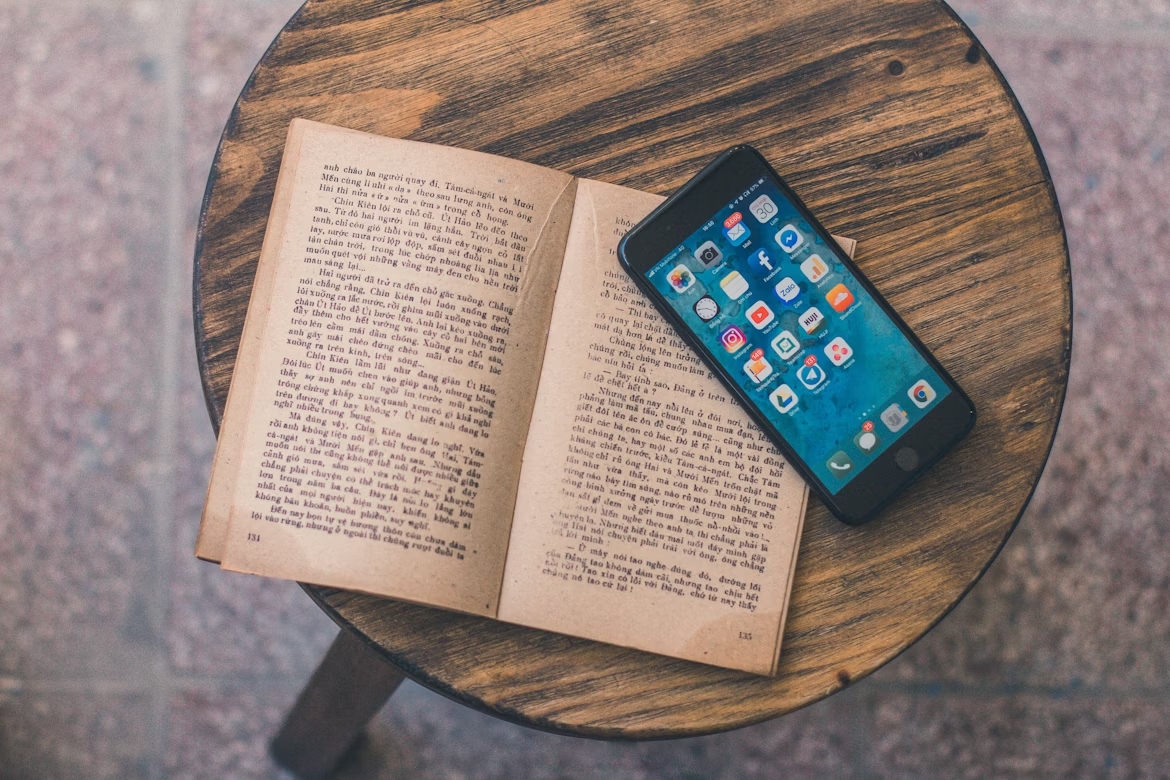
Beyond distribution, technology is influencing the very structure of narratives. We are seeing the emergence of "hypertext fiction," where links and non-linear paths allow readers to choose their own journey. Similarly, the influence of social media and instant communication has crept into modern prose.
Authors are increasingly incorporating text threads, blog posts, and digital timestamps into their narratives to mirror the fragmented, lightning-fast nature of modern life. This "digital realism" captures the anxiety and connectivity of the 21st century in ways traditional prose never could.
Furthermore, the barrier to entry for aspiring authors has collapsed. Self-publishing platforms and online writing communities like Wattpad have bypassed the traditional "gatekeepers" of the publishing industry. While this has flooded the market with content, it has also sparked an explosion of diverse voices and niche genres that traditional publishers might have deemed too risky.
Technology has not replaced the book; it has evolved it. As we move forward, the relationship between writer and reader will become increasingly interactive. While the medium may shift from page to screen, the core of literature—our human need to connect, understand, and dream—remains constant, powered by the very tools that define our age.