How Subsea Cable Technologies Strengthen Cross-Border Digital Infrastructure
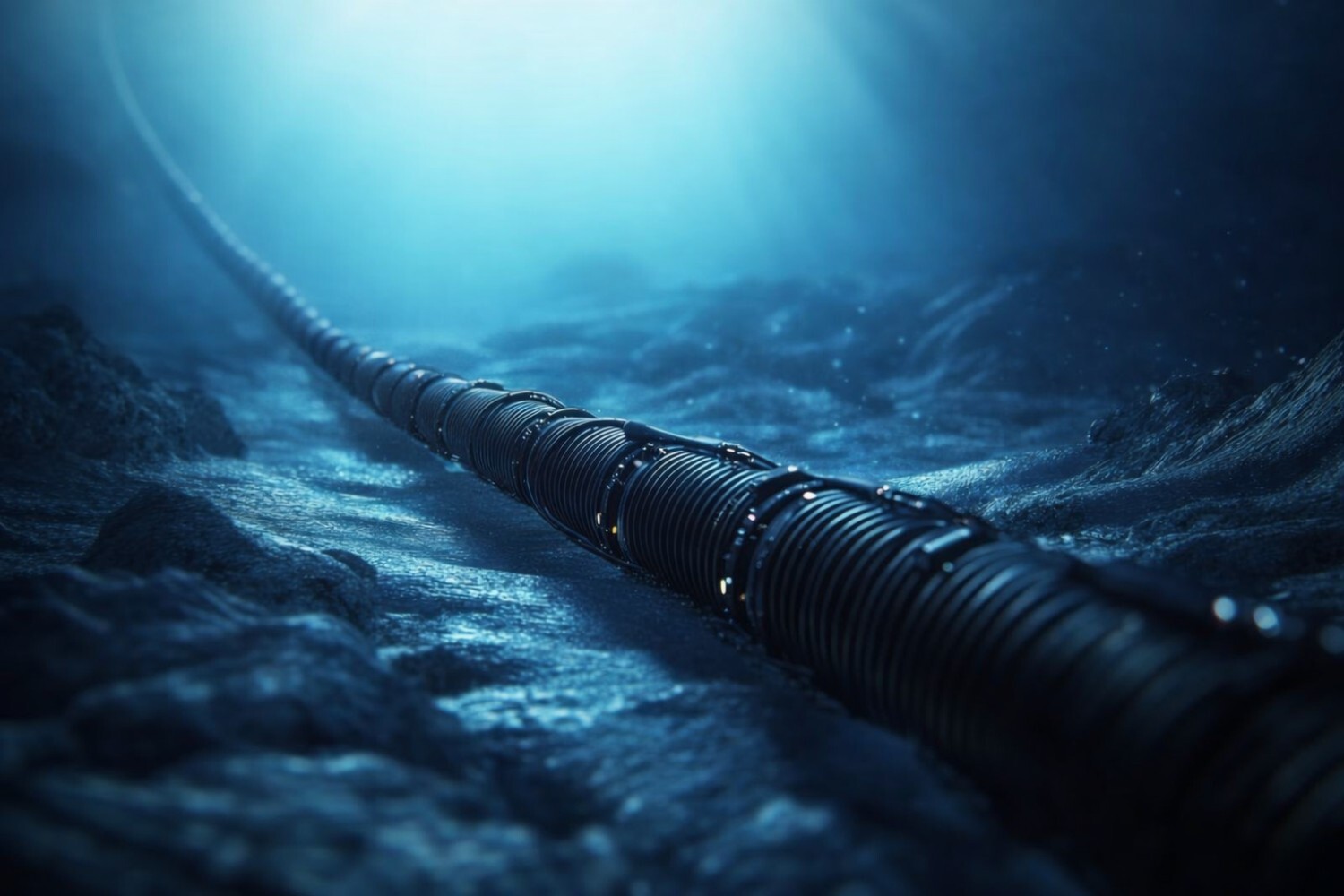
The internet feels invisible. You click a button, send a message, or stream a video, and it all happens in an instant. But behind that experience lies something very physical: thousands of miles of cables running along the ocean floor, connecting continents and carrying data at the speed of light. These underwater cables are the backbone of the global internet, and without them, cross-border digital communication would simply not exist at scale. Understanding how they work and why they matter helps explain how the modern world stays connected.
The Role of Subsea Cable Technologies in Global Connectivity
Subsea cable technologies form the core of international data transmission. Unlike satellites, which introduce delays and have limited capacity, undersea fiber-optic cables can transfer enormous volumes of data with very low latency. This makes them the preferred choice for everything from financial transactions to video conferencing between countries.
Modern systems use advanced fiber-optic design with wavelength-division multiplexing, which allows multiple data signals to travel through a single cable strand at the same time. This has multiplied the capacity of newer cables by dozens of times compared to systems built just a decade ago. Countries that invest in landing stations for these cables gain a significant advantage in digital trade, cloud services, and foreign investment.
The geographic placement of cables also shapes which countries become digital hubs. Nations with multiple cable landing points, like Singapore, Portugal, and the United States, attract data centers, financial services, and technology companies. For smaller or developing nations, connecting to even one major cable route can transform their digital economy.
Case Study 1: The 2Africa Cable and Regional Digital Access
One less commonly discussed example is the 2Africa cable project, which focuses on connecting underserved coastal communities across Africa, the Middle East, and Southern Europe. Rather than simply linking major hubs, this system was designed with landing points in countries like Djibouti, Mozambique, and Angola, which historically had limited undersea cable access.
The result has been measurable. Internet service providers in several of these countries reported reduced costs for international bandwidth within months of test segments going live, and local businesses gained access to faster cloud services. This project shows that strategic cable placement, not just raw technology, determines who benefits from global digital infrastructure.
Submarine Power Cable and the Dual Role of Undersea Infrastructure
While data cables carry information, a submarine power cable performs an equally critical function: it transmits electricity across bodies of water, connecting national power grids between countries or islands. These two types of undersea cables are often discussed separately, but their roles increasingly overlap as more nations pursue offshore renewable energy projects.
For example, offshore wind farms in the North Sea rely on submarine power cables to deliver electricity to the mainland grid. As these same countries build out their digital infrastructure, the coordination between power and data cabling becomes important for planning landing sites, environmental permits, and shared sea-floor routing.
This growing intersection means that policymakers and infrastructure planners need to think about both types of cables together, not in separate silos. A country that manages both well gains resilience across its energy and data networks at the same time.
Case Study 2: The Tonga Cable Restoration After the 2022 Volcanic Eruption
When the Hunga Tonga-Hunga Ha'apai volcano erupted in January 2022, it severed the single undersea fiber-optic cable connecting Tonga to the rest of the world. The island nation of approximately 100,000 people was left almost entirely without internet access for over five weeks. Voice calls through satellite provided minimal backup, but digital services, banking systems, and emergency coordination were severely disrupted.
What makes this case genuinely instructive is not the disaster itself but the recovery process and what it revealed about single-point dependency. The repair required a specialized cable ship to travel from Papua New Guinea, navigate volcanic debris on the ocean floor, and carefully splice the damaged section. The entire operation highlighted how a nation dependent on a single cable route has essentially no fallback when that route fails.
Following the restoration, several Pacific regional bodies began seriously discussing a redundant cable loop for island nations in the area, using Tonga's experience as the clearest argument for building in resilience from the start. It shifted the conversation in the Pacific from cable access being a luxury to being a critical infrastructure requirement, much like roads or electricity.
Security and Resilience Challenges
Subsea cables face real physical risks. Fishing anchors, ship anchors, and seismic activity cause the majority of cable faults each year. Repair ships are expensive and slow, sometimes taking weeks to reach a fault location in deep water.
Beyond accidents, there is growing concern about deliberate interference. Several governments have raised alerts in recent years about the vulnerability of undersea cables to state-level disruption, particularly in contested maritime zones. This has pushed nations to invest in route redundancy, meaning a country with three or four cable landings is far less vulnerable than one relying on a single connection.
Cybersecurity at landing stations has also become a focus area. Since data passes through physical amplifiers and routing equipment along a cable's path, protecting those access points is now treated as a matter of national security in many countries.
Conclusion
The ocean floor is one of the most strategically important environments on the planet, even if most people never think about it. Subsea cables, both for data and power, define how countries participate in the global economy and how resilient their digital infrastructure actually is. As governments, technology companies, and energy providers continue expanding these networks, industry events play an important coordinating role. A subsea power cable event or international forum brings together engineers, regulators, and investors to align on standards and share lessons learned from deployments around the world. These conversations matter because building better undersea infrastructure requires cooperation across borders, industries, and disciplines. The cables on the ocean floor may be invisible to most of us, but the work of keeping them in place and expanding their reach is very much ongoing.
Frequently Asked Questions
Q1. What is the main purpose of a subsea cable?
A subsea cable is primarily used to transmit data or electricity between countries or regions that are separated by water. Data cables carry internet traffic, while power cables transfer electricity between national grids or from offshore energy sources to the mainland.
Q2. How long do undersea cables last?
Most subsea cables are designed for a lifespan of around 25 years, though some older systems continue to operate beyond that. Regular maintenance and upgrades to landing station equipment can extend their effective usefulness.
Q3. Who owns and operates subsea cables?
Ownership varies. Some cables are privately owned by technology companies like Google or Meta, others are joint ventures between multiple telecom providers, and some are funded by governments. Most major routes today involve a mix of private and public investment.
Q4. How are faults in undersea cables repaired?
When a fault occurs, specialized repair ships are dispatched to the location. The damaged section is pulled to the surface, cut, repaired or replaced, and then re-laid on the ocean floor. This process can take days or weeks depending on the depth and location of the fault.
Q5. Can undersea cables be tapped or monitored for espionage?
This is a genuine security concern that governments take seriously. While the technical difficulty of tapping deep-sea cables is high, landing stations and shallow-water segments are considered more vulnerable. Many countries now treat cable infrastructure security as part of their broader national security strategy.