The Ethics and Implications of Deepfake Technology: A Double-Edged Sword
As artificial intelligence continues to evolve at a breakneck pace, few innovations have sparked as much concern—and fascination—as deepfake technology.
Powered by advanced machine learning and neural networks, deepfakes allow users to superimpose faces, alter voices, and fabricate hyper-realistic video and audio content. While this technology unlocks incredible creative potential, it also raises profound ethical questions and societal implications.
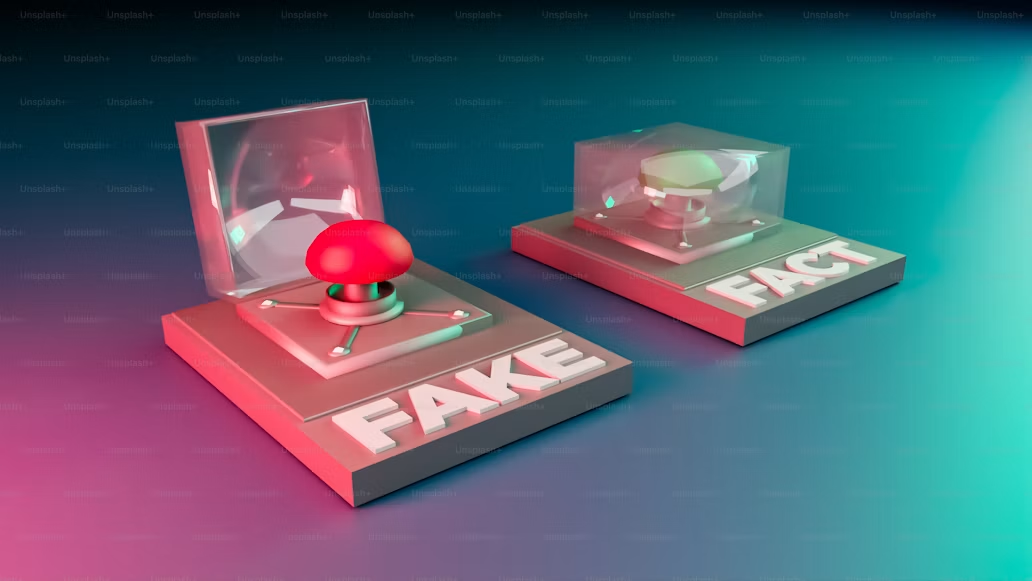
At its core, deepfake technology challenges our fundamental perception of truth. In the past, the adage "seeing is believing" served as a reliable anchor. Today, however, digital manipulation has advanced to a point where seeing no longer guarantees reality.
This erosion of trust is perhaps the most dangerous implication of deepfakes. When the public can no longer distinguish between genuine footage and fabricated media, democratic institutions, journalism, and the legal system face unprecedented vulnerabilities.
The ethical concerns extend far beyond politics. Non-consensual pornography remains one of the most pervasive and harmful applications of deepfakes, disproportionately targeting women and causing severe psychological and reputational damage. Furthermore, financial fraud is on the rise; scammers now use AI-generated voice cloning to impersonate corporate executives and trick employees into transferring funds.
Yet, it is not all doom and gloom. When used ethically, deepfakes offer exciting possibilities. In the entertainment industry, they allow filmmakers to de-age actors or posthumously complete performances respectfully. In education and marketing, hyper-personalized content can revolutionize how we connect with audiences.
Ultimately, navigating the age of deepfakes requires a collective response. Policymakers must establish robust legal frameworks to criminalize malicious use, while tech companies must invest in advanced detection tools.
As consumers, maintaining a healthy dose of digital skepticism is our best defense. Deepfake technology is here to stay; ensuring it serves humanity rather than harms it is the defining ethical challenge of the digital age.
Me gustó el enfoque. En vez de repetir lo que todos dicen, te fuiste por el lado técnico.