The Drone Revolution: Navigating the Skies of Opportunity and Risk
Once relegated to the realm of high-end hobbyists and military operations, drone technology has officially gone mainstream. From capturing cinematic aerial views to revolutionizing logistics, Unmanned Aerial Vehicles (UAVs) are rapidly reshaping our world. However, as these buzzing devices become fixtures in our skies, we must weigh their vast potential against the significant challenges they present.
Unprecedented Opportunities
The most immediate impact of drone technology is seen in efficiency and accessibility. In agriculture, "precision farming" uses drones to monitor crop health, manage irrigation, and apply fertilizers with pinpoint accuracy, minimizing waste and boosting yields.
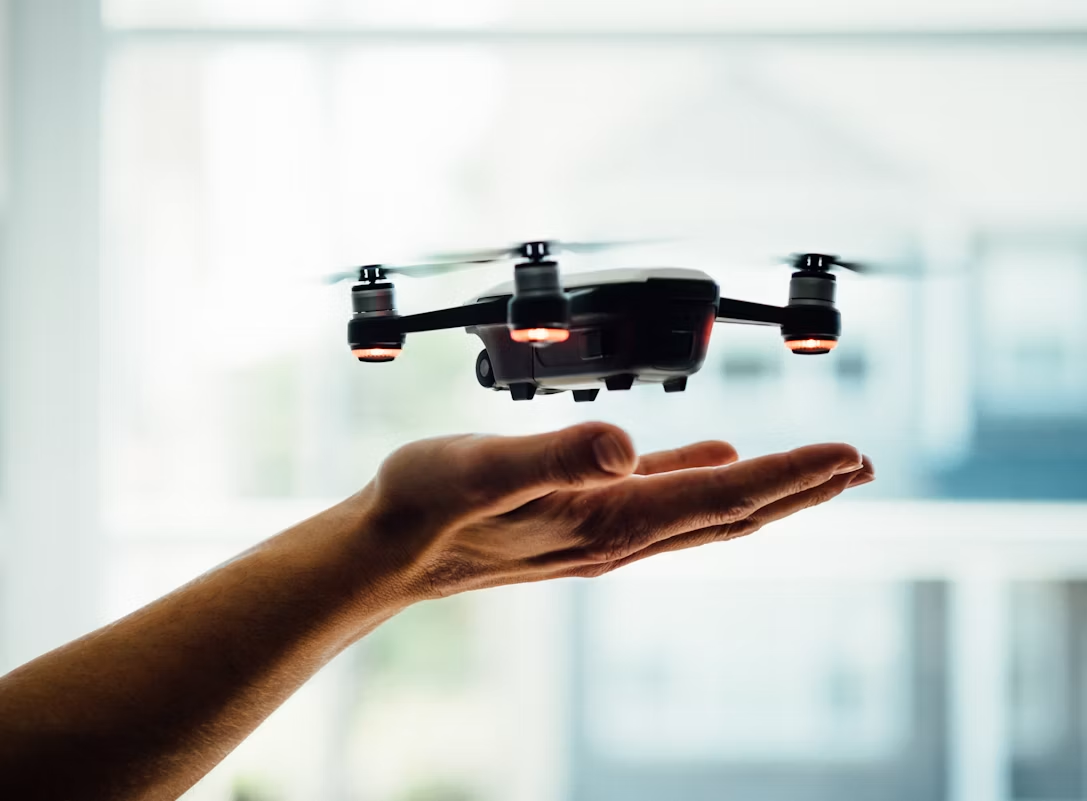
In emergency services, drones act as first responders, delivering life-saving medical supplies to remote locations or surveying disaster zones where conditions are too dangerous for human rescuers.
Furthermore, the commercial sector is witnessing a paradigm shift. Last-mile delivery is becoming faster and greener, reducing traffic congestion and carbon footprints in urban areas. For industries like construction and infrastructure maintenance, drones provide a cost-effective, safer alternative to dangerous manual inspections of bridges, power lines, and wind turbines.
The Looming Risks
Yet, the democratization of the sky is not without its perils. The primary concern is privacy. With high-resolution cameras becoming standard, the potential for unauthorized surveillance and the erosion of personal anonymity are significant.
There are also critical safety and security issues. The surge in amateur pilots has led to near-misses with commercial aircraft and instances of drones interfering with firefighting efforts. Moreover, in the wrong hands, drones pose a unique threat to national security, capable of being repurposed for espionage or carrying harmful payloads.
Moving Forward
Drone technology is a double-edged sword. To harness its benefits, society must advocate for robust regulatory frameworks that balance innovation with accountability. As we integrate these machines into our daily lives, staying informed and responsible is key. The future is looking up—we just need to ensure we navigate it wisely.