6 Common Mistakes People Make After Teeth Whitening
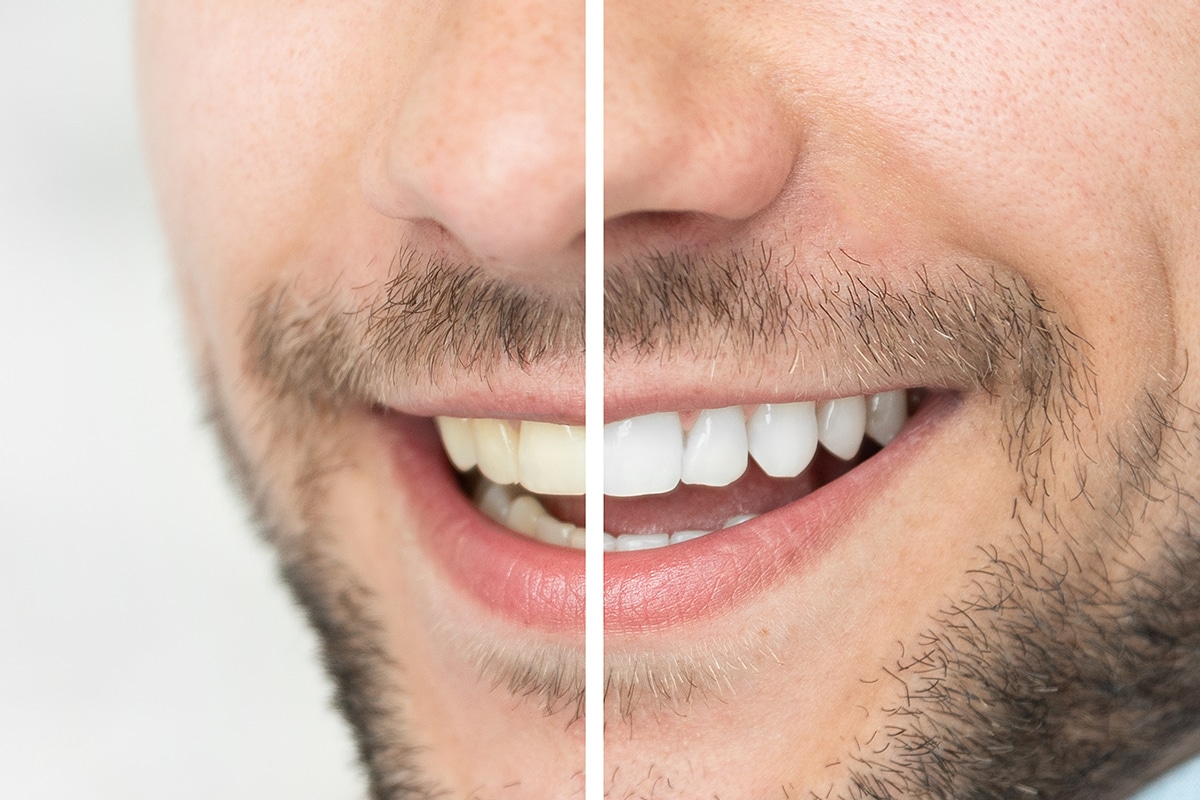
Teeth whitening is a very popular procedure. Modern methods can significantly lighten tooth enamel and restore the attractive appearance of teeth in a short time. However, many people believe that no special care is needed after treatment. In fact, this is one of the most common mistakes. Improper care can lead to increased sensitivity, quick pigmentation, and even gum irritation. In this article, we have gathered six common mistakes after teeth whitening that you should avoid.
1. Consuming staining foods immediately after treatment
One of the most common mistakes is returning to a normal diet on the first day after teeth whitening. Many people drink coffee, tea, red wine, berries, sauces, and other strongly staining foods, assuming that this will not affect the result.
In reality, tooth enamel is temporarily more susceptible to staining after treatment. Therefore, dentists often recommend a so-called white diet for a few days. This means that you should temporarily avoid foods and drinks that can stain your teeth. If you ignore this recommendation, your teeth can darken much faster than expected.
2. Too frequent teeth whitening
Some people believe that after successful teeth whitening, the treatment can be repeated as often as desired to achieve even more noticeable results. This is a serious misconception. Excessive, unintentional teeth whitening can lead to increased sensitivity, gum irritation, and weakened tooth enamel.
The treatment interval should be determined by a dentist who considers the condition of the teeth, the original tooth color, and the technique used. Using at-home teeth whitening kits immediately after professional treatment can also be harmful.
3. Ignoring tooth sensitivity
Many people experience temporary tooth sensitivity after teeth whitening. This can manifest as reactions to cold, hot, sweet, or sour foods. This is quite common and usually disappears on its own.
The mistake lies in the fact that some patients completely ignore the problem or, conversely, indiscriminately use over-the-counter products without medical supervision. If sensitivity is severe or persistent, it is advisable to consult a dentist. They can recommend special pastes, gels, or remineralizing agents to restore comfort. Self-medication does not always lead to the desired result.
4. Using aggressive whitening toothpastes immediately after treatment
After professional teeth whitening, many people want to maintain the white color of their teeth for as long as possible and therefore often use highly abrasive whitening toothpastes. This is another common mistake. Tooth enamel requires gentle care after the procedure.
Aggressive products can increase sensitivity, irritate the gums, and, if used excessively, damage the tooth surface. It is much safer to use mild toothpastes recommended by your dentist. If follow-up treatment is necessary, your dentist will recommend the best solution without compromising your tooth enamel.
5. Neglecting preventive checkups
Another common mistake is waiting until pain or severe discomfort occurs before visiting the dentist. Many patients forget that after teeth whitening, it's important to maintain the health of their teeth and gums, not just the beautiful color of their smile.
Regular preventive checkups allow for the early detection of cavities, gum inflammation, micro-cracks in the enamel, and other problems. Your dentist can also perform a professional teeth cleaning, remove plaque, and give you recommendations for maintaining the whitening effect. Without regular checkups, the aesthetic result can deteriorate quickly.
6. Poor oral hygiene
Some people believe that intensive oral hygiene is no longer necessary after teeth whitening. This is a misconception. Even after professional teeth whitening, plaque and bacteria continue to accumulate on the tooth surface.
If you don't brush your teeth regularly, floss, or use mouthwash, pigmented plaque will gradually build up on the enamel. This causes the whitening to fade much faster. Daily oral hygiene is essential for maintaining the results of any cosmetic treatment.