SLC-S29/W4-“Thinking and Ideas!| Rethinking the Normal!”
Hi guys, accept Steem greetings from the motherland of Cameroon, and welcome to my blog, where I share my thoughts on the challenge topic “Thinking and Ideas!| Rethinking the Normal!”.
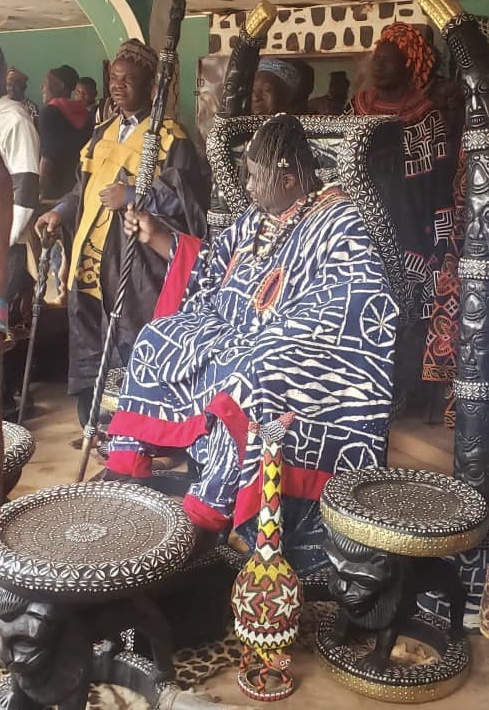
It is all about a belief in my tradition, which, growing up, we were constantly cautioned not to go against, or else we're gonna face negative repercussions.
That said, before proceeding with the questions that will guide the write-up, I will invite @max-pro, @suboohi, and @ruthjoe to take part in the challenge.
| Name one practice, belief, or system that people accept as normal but should be questioned. |
|---|
One belief we grew up accepting as normal was the idea that a woman or girl who was menstruating was forbidden from seeing the king in my community. This belief was deeply rooted in tradition and passed down through generations as an unquestionable truth. From a young age, girls were taught to fear this period of their lives, not only because of the physical changes but also because of the cultural restrictions attached to it.
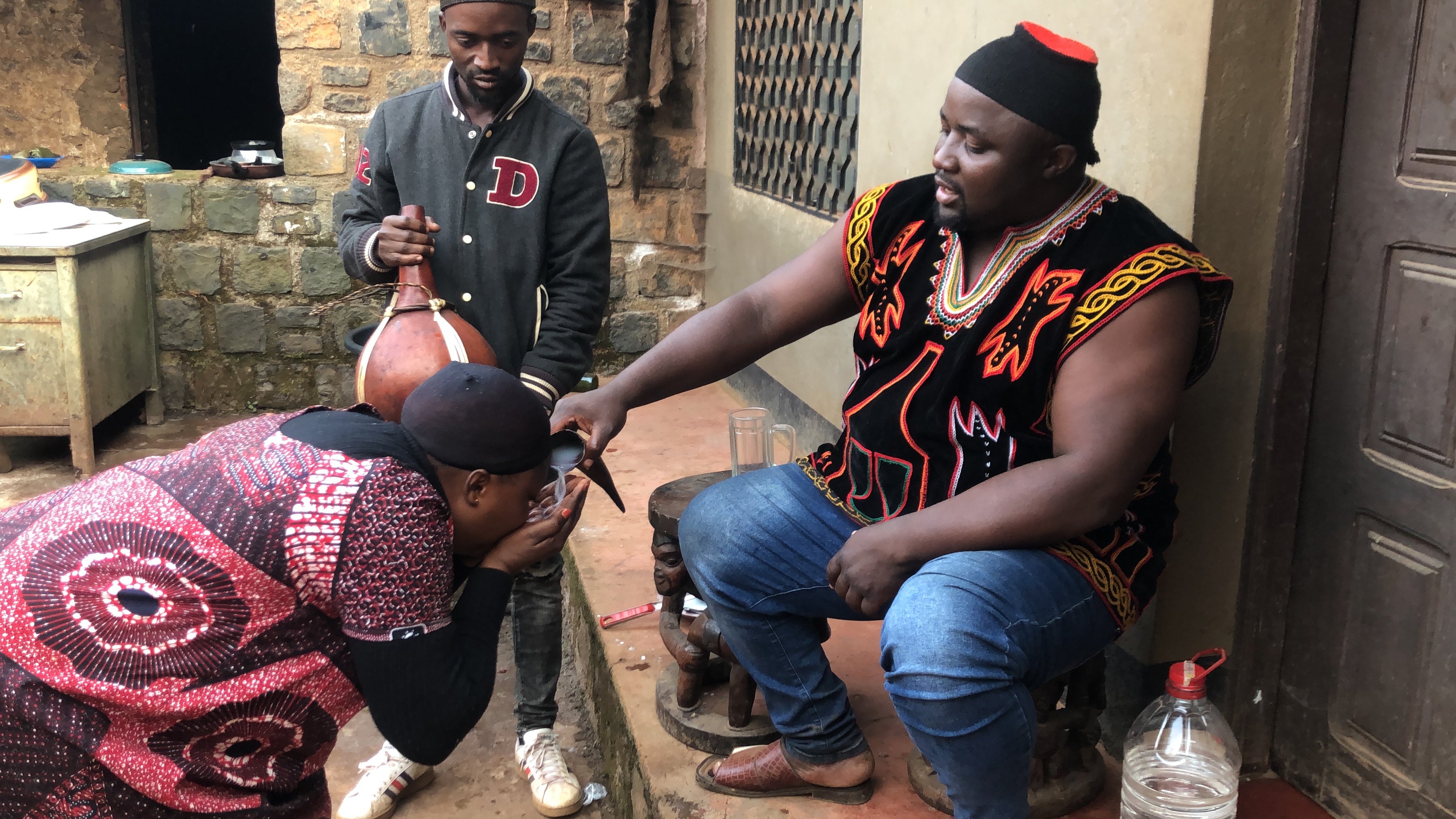
According to this belief, if a menstruating woman or girl saw the king, she would face serious repercussions. It was said that her bleeding would never stop and that no remedy could cure her condition.
This fear created anxiety and silence around menstruation, making it seem like something dangerous or shameful rather than a natural biological process.
Growing up with such beliefs shaped how many of us viewed our bodies and our place in society. Menstruation became associated with weakness, impurity, and punishment, reinforcing limitations on women and girls.
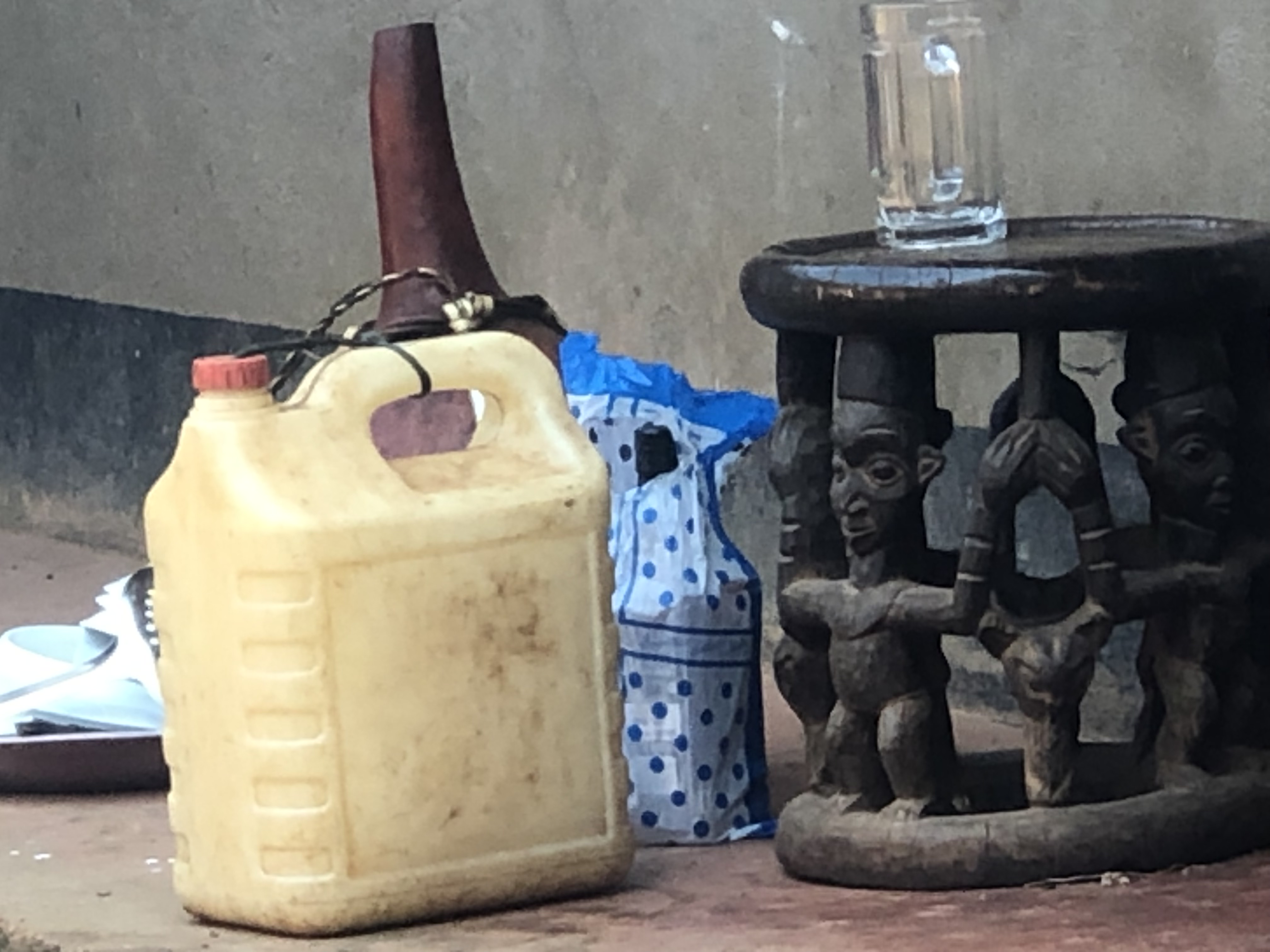
Today, reflecting on this belief allows us to question its impact and consider how cultural traditions can influence perceptions of health, power, and womanhood.
| Why do you think people rarely challenge it? |
|---|
People rarely challenge this belief because it is deeply tied to tradition and respect for authority. In my community, the king is not just a leader but a sacred figure, so questioning rules connected to him can feel like disrespecting the entire culture. Many people grow up hearing the belief from elders they trust, which makes it feel unquestionable and “…true,” even without evidence.
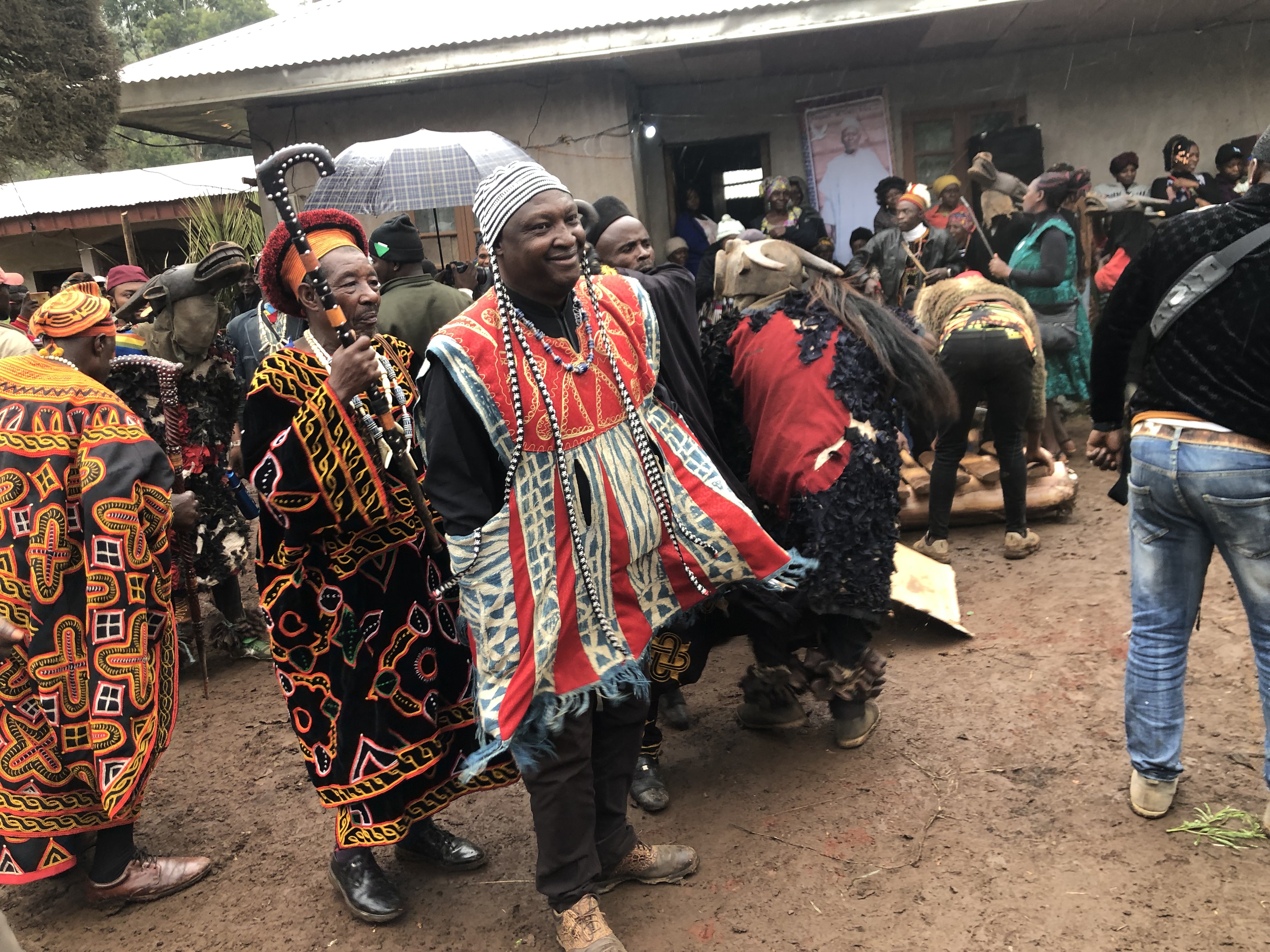
Moreover, fear also plays a big role. The idea of severe repercussions such as endless bleeding with no cure, creates anxiety, especially around something as sensitive as menstruation. When fear is combined with silence around women’s bodies and reproductive health, people are less likely to speak up or test the belief. It feels safer to obey than to risk the consequences, real or imagined.
Finally, anyone who questions the belief may be seen as rebellious, disrespectful, or influenced by “foreign” ideas. The belief continues to be passed down without resistance.
| What could improve if this “normal” way changed? |
|---|
If this “normal” way changed, one major improvement would be in how women and girls view their bodies. Menstruation would be understood as a natural and healthy process rather than something dangerous or shameful. This shift could reduce fear, anxiety, and silence around menstrual health, allowing girls to grow up with more confidence and accurate knowledge about their own bodies.
Changing this belief could also promote gender equality and inclusion. Women and girls would no longer be restricted from certain spaces or made to feel impure during menstruation. This would challenge long-standing ideas that link womanhood to weakness or punishment and instead affirm women’s dignity and full participation in cultural and social life.
Finally, questioning and transforming this belief could encourage critical thinking within the community. It would show that culture is not fixed but can grow alongside education and modern health knowledge. Respecting tradition while letting go of harmful beliefs could lead to healthier communities that value both cultural identity and the well-being of their people.
| What might be lost if it disappeared completely? |
|---|
If this belief disappeared completely, some people might feel that an important part of cultural identity has been lost. For many elders, such traditions are tied to history, ancestry, and respect for the sacred authority of the king. Removing the belief could feel like breaking a link with the past or weakening customs that have long defined the community.
There could also be a sense of loss in the shared values that emphasise discipline, respect, and obedience to tradition. Even though the belief is harmful, it has functioned as a way of reinforcing social order and boundaries. Without it, some may worry that younger generations will no longer respect cultural rules or the authority of traditional institutions.
Finally, traditions often serve as starting points for storytelling and teaching moral lessons. If the belief vanished without reflection, those conversations, and the chance to reinterpret or transform the tradition in healthier ways might be lost as well.
However, with modernisation, many people have come to realise that this belief likely arose because, in the past, women and girls did not have access to sanitary pads during menstruation. As a result, they could appear with visible blood stains, which were considered dirty and taboo, especially in the presence of the king. Today, with improved menstrual hygiene products, it is difficult to identify whether a woman or girl is menstruating, making the belief less relevant in modern society.
Hi @chant, welcome to thinking and ideas week 4
In some traditions down here, when a woman is mensurating, she doesn't enter the kitchen to cook no matter what and you see most of these women happy whenever their mensural flow would come becaise they are just in their free periods.
Some women would be told not to sleep on same bed as their husbands until the flow stops. Well, it's a cutral believe and people has adopted it for a long time.
Shared on X https://x.com/chantymuluh/status/2019166779332014515?s=46&t=_j_2cJ8giwgVdlNurSvBTg