The Digital Mirror: How Technology is Reshaping Human Thought
For millennia, human thought was shaped by the physical environment—the rhythm of the seasons, the limits of oral tradition, and the tactile nature of the written word. Today, we exist in a new epoch. Technology is no longer merely a tool we use; it has become the infrastructure of our cognition.
The most immediate shift is in our attentional architecture. Search engines and algorithmic feeds have transformed how we process information. We’ve moved from an era of "deep reading" and sustained focus to a culture of "skimming" and rapid-fire data retrieval.
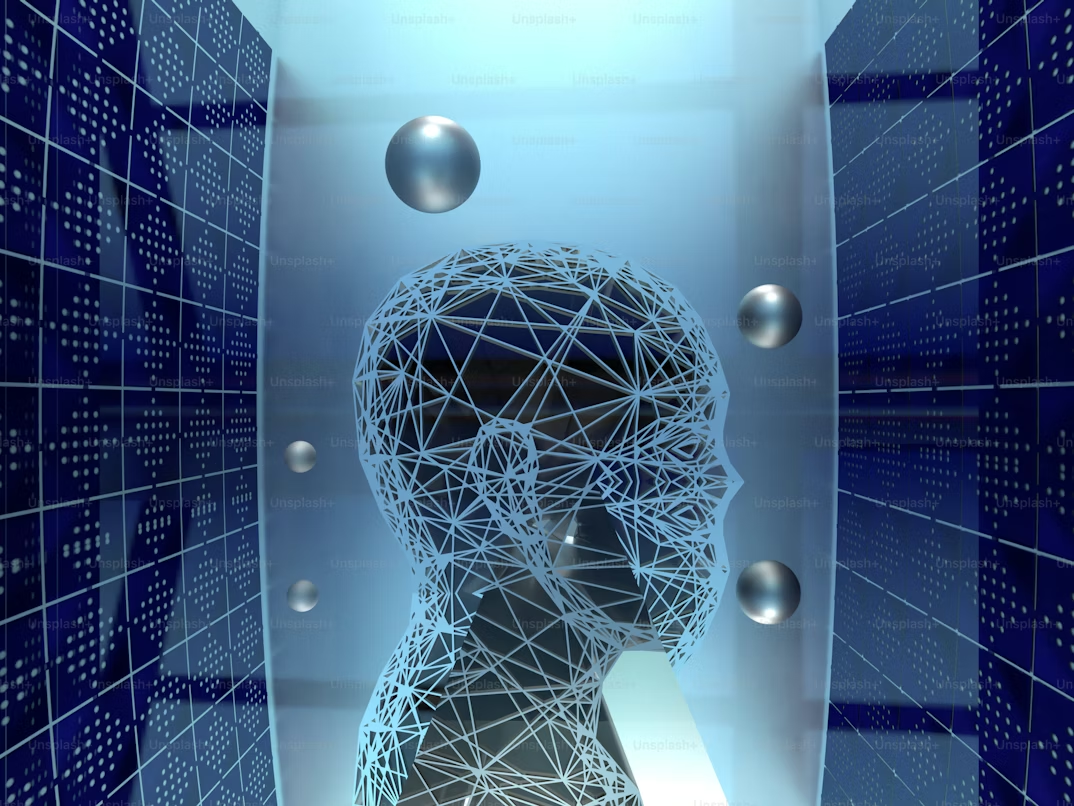
While this has supercharged our ability to synthesize vast amounts of information, it has arguably eroded our capacity for the contemplative, linear thought required for true philosophical or creative depth. We are becoming efficient processors, but are we becoming less profound thinkers?
Furthermore, technology serves as an "external hard drive" for our memory. Why memorize a map when GPS exists? Why retain facts when they are seconds away on a smartphone? While this offloading of cognitive labor frees up brain power for higher-level problem solving, it also creates a dependency.
Our "extended mind"—the way we integrate digital devices into our decision-making processes—means that if the system goes offline, so does a significant portion of our intellectual agency.
However, this evolution is not inherently a decline; it is a transformation. Technology has democratized knowledge, connecting disparate minds across the globe and fostering a collective intelligence previously unimaginable. We are thinking in networks rather than silos.
The challenge of the modern age is to remain the masters of our digital tools rather than their subjects. To navigate this landscape, we must cultivate "digital hygiene"—balancing our hyper-connected efficiency with the intentional, solitary silence required to nurture original human thought. Technology shapes our mind, but we must decide the direction of that shape.