The Digital Mind: How Technology is Rewiring Human Thought
Historically, we viewed tools as physical extensions—hammers for our hands or wheels for our feet. However, in the 21st century, technology has moved inward. It is no longer just shaping how we work; it is fundamentally restructuring how we perceive, process, and retain information.
One of the most significant shifts is the concept of cognitive offloading. With the sum of human knowledge just a click away, our brains have transitioned from "storage units" to "processors." We no longer prioritize memorizing raw data; instead, we prioritize knowing where to find it.
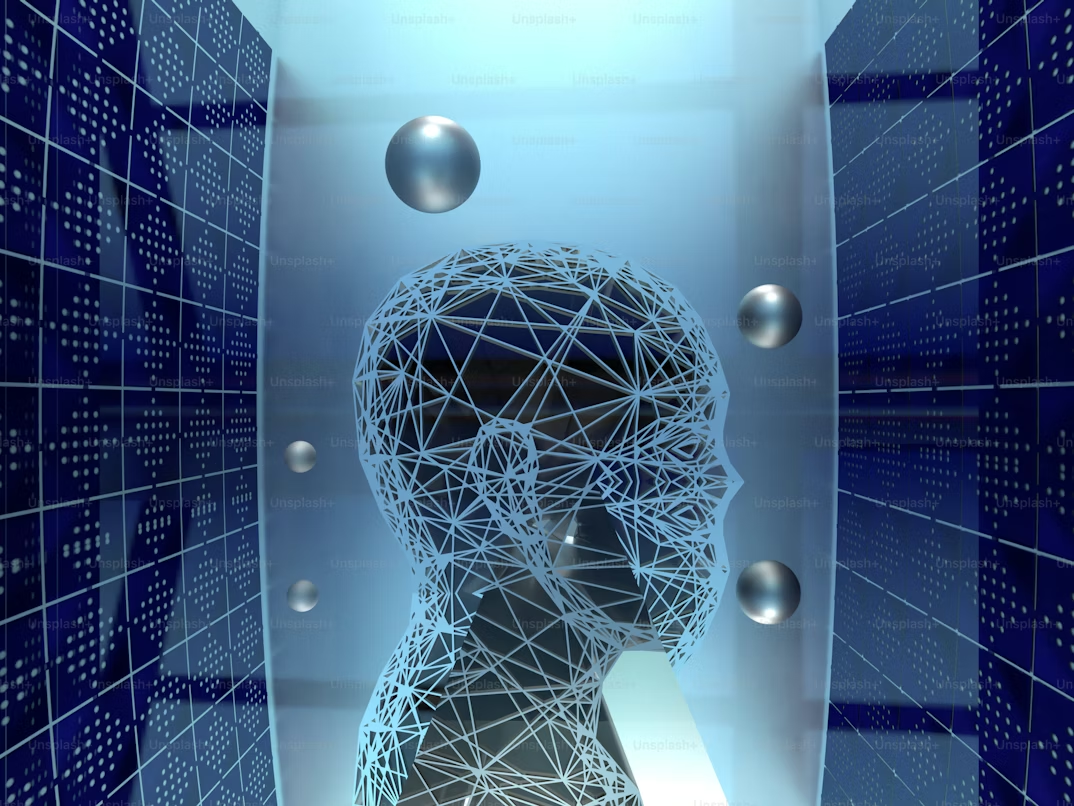
While this frees up mental bandwidth for complex problem-solving, it also raises concerns about the erosion of deep, focused concentration. The "scroll-and-skim" culture, fueled by fast-paced social media, has conditioned our brains to favor instant gratification over long-form contemplation.
Moreover, technology dictates the very fabric of our perspective. Algorithms curate our digital reality, often reinforcing existing biases rather than challenging them. This creates a psychological feedback loop, where our thoughts are shaped by the data we are fed.
Yet, conversely, technology has expanded the human "collective consciousness." We can now empathize with global events in real time, expanding our moral circle toward a more interconnected worldview.
The digital age has turned human thought into a collaborative effort between biological intuition and machine efficiency. As we move forward, the challenge is not merely to embrace these tools, but to maintain our agency over them.
We must ensure that while we use technology to expand our horizons, we do not lose our capacity for independent, nuanced reflection. The future of human thought isn't just about what we know—it's about how we adapt to the tools that are now thinking alongside us.