Tile Repair Melbourne: Why Fixing Tiles Properly Matters More Than Replacing Them
.png)
Tiles are chosen for their durability, clean appearance and ability to handle daily wear, yet even the toughest tiled surfaces can crack, lift or loosen over time. In homes and commercial spaces across Melbourne, tile issues are common, particularly in bathrooms, kitchens, balconies and high-traffic areas. This is where tile repair Melbourne services play a valuable role, offering a way to restore tiled surfaces without the disruption and cost of full replacement.
This article explores how tile repair works, why damage occurs, and when repair is often the smarter option compared to removing and retiling entire areas.
Why tile damage happens in Melbourne properties
Melbourne’s building stock is diverse, ranging from heritage homes to modern apartments. This variety means tile issues can arise for different reasons, often linked to age, construction methods and movement within the structure.
Cracked tiles are frequently caused by substrate movement. As buildings settle or experience temperature changes, slight shifts can place stress on rigid tile surfaces. Moisture penetration, particularly in wet areas, may weaken adhesives and lead to lifting or hollow tiles. In older properties, outdated installation methods can also contribute to failure over time.
Rather than being a surface-only issue, tile damage often points to underlying factors that need to be addressed carefully.
Repair versus replacement: understanding the difference
When tiles are damaged, many property owners assume replacement is the only solution. In reality, targeted repair is often possible and more practical, especially when the surrounding tiles remain in good condition.
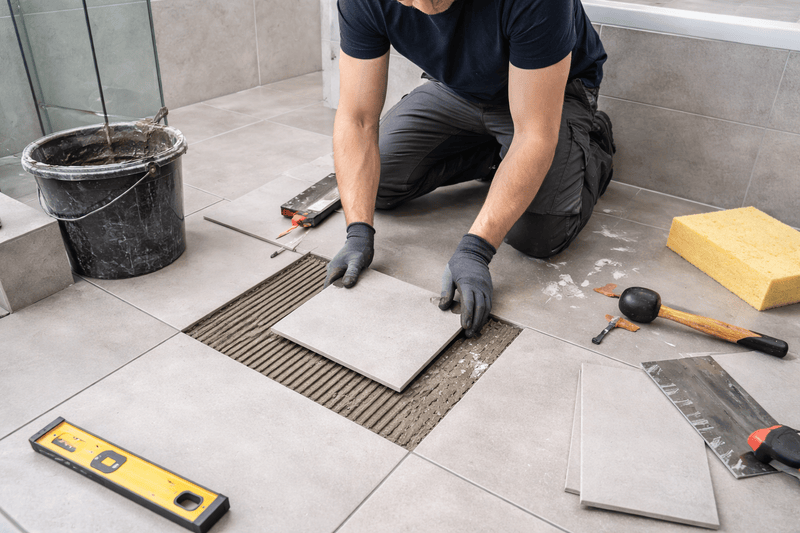
Tile repair focuses on stabilising the affected area, replacing individual tiles if required, and restoring the surface to a safe, functional state. This approach avoids unnecessary demolition and reduces waste.
In contrast, full replacement involves removing large sections of tiling, which can disturb waterproofing membranes, increase labour time and raise overall costs.
The role of substrate and adhesive in tile longevity
Tiles rely on what sits beneath them. If the substrate shifts, degrades or was incorrectly prepared during installation, the tiles above may crack or loosen.
A proper tile repair process involves assessing the condition of the substrate and adhesive. Simply reattaching a loose tile without addressing the cause often leads to repeat failure.
Experienced technicians look beyond the visible damage, ensuring repairs support the surface long term rather than providing a temporary fix.
Common tile repair scenarios
Tile repair Melbourne professionals are frequently called in for specific, localised issues rather than widespread failure. These scenarios often include cracked floor tiles in high-traffic areas, loose wall tiles in bathrooms, chipped edges around doorways, and lifting tiles on balconies or outdoor spaces.
In commercial environments, repairs may also be required to meet safety standards, particularly where uneven surfaces present trip hazards.
Targeted repairs help restore both appearance and function while minimising disruption to occupants.
Preserving waterproofing during repairs
One of the biggest risks with tile replacement is damage to waterproofing layers beneath the tiles. In wet areas such as bathrooms and laundries, this layer is critical in preventing moisture ingress.
Tile repair methods aim to preserve existing waterproofing wherever possible. By carefully removing and replacing only affected tiles, repair specialists reduce the risk of compromising these protective systems.
This approach is especially valuable in apartment buildings, where waterproofing issues can affect neighbouring properties.
Matching existing tiles and finishes
A common concern with tile repair is whether replacement tiles will match existing ones. While exact matches are not always available, skilled repairers often work with what is already there, salvaging tiles from less visible areas or sourcing close alternatives.
In many cases, careful placement and grout blending allow repairs to integrate seamlessly with the surrounding surface.
This attention to detail helps maintain the overall look of the space rather than drawing attention to repaired sections.
Tile repair as a preventative measure
Addressing minor tile issues early can prevent more extensive damage later. Loose tiles may allow water to seep beneath the surface, leading to adhesive breakdown, mould growth or substrate deterioration.
By resolving problems promptly, property owners often avoid the need for larger repairs down the track. Regular inspection of tiled areas, particularly in wet zones, supports this preventative approach.
Repair in residential settings
In homes, tile repair is often chosen for practical reasons. Full retiling can disrupt daily routines, particularly in kitchens and bathrooms that are used constantly.
Targeted repairs allow homeowners to maintain functionality while restoring safety and appearance. This is particularly appealing in occupied properties where downtime needs to be minimised.
For those seeking a practical example of how these services are approached locally, Melbourne tile repair services by Handiwerx provide insight into repair-focused solutions rather than default replacement.
Commercial and strata considerations
Tile repairs are equally important in commercial and strata environments. Damaged tiles in common areas, retail spaces or offices may pose safety risks and affect presentation.
Strata managers often prefer repair over replacement due to cost efficiency and reduced impact on residents or tenants. Timely repairs also help maintain compliance with building and safety requirements.
Clear communication and careful scheduling are key factors in these settings.
The importance of skilled workmanship
Tile repair requires precision. Removing individual tiles without damaging adjacent ones, preparing surfaces correctly and achieving a consistent finish all demand experience.
Poorly executed repairs may stand out visually or fail prematurely. Skilled technicians understand how to work within existing installations, adapting techniques to suit different tile types and substrates.
This expertise is particularly important in older Melbourne properties where materials and construction methods vary widely.
Sustainability and waste reduction
Repairing tiles instead of replacing them aligns with sustainable building practices. It reduces material waste, limits landfill contribution and avoids the environmental cost associated with manufacturing and transporting new tiles.
For environmentally conscious property owners, tile repair represents a responsible approach to maintenance and renovation.
When full replacement is unavoidable
While tile repair offers many benefits, there are situations where replacement becomes necessary. Extensive water damage, widespread adhesive failure or outdated installations lacking proper waterproofing may require a more comprehensive solution.
In these cases, repair specialists often advise on the most practical next steps rather than attempting short-term fixes.
Understanding when repair is appropriate helps set realistic expectations and supports better long-term outcomes.
Making informed decisions about tile repair
Choosing tile repair Melbourne services involves more than finding someone to replace a cracked tile. It requires understanding the cause of the damage, the condition of surrounding materials and the intended use of the space.
A repair-focused approach often delivers effective results with less disruption, lower cost and preserved finishes.
By considering repair as a first option, property owners can extend the life of their tiled surfaces and maintain the integrity of their spaces.