Tiny House Pods for Airbnb: Glamping ROI & Setup Guide
You have beautiful, empty land and want to start a short-term rental business. Building a traditional wood cabin takes twelve months and $150,000, tying up your capital before you see a single guest.
Many investors are skipping traditional construction and dropping tiny house pods onto their land instead. After designing and installing over 50 glamping structures for commercial clients, I’ve seen these futuristic metal cabins generate massive revenue. But running a pod tiny house isn’t just about taking pretty photos; it requires mastering remote technology, navigating specific zoning laws, and understanding exactly what guests will pay for. This guide provides the complete blueprint for building a high-yield glamping resort using pod architecture.
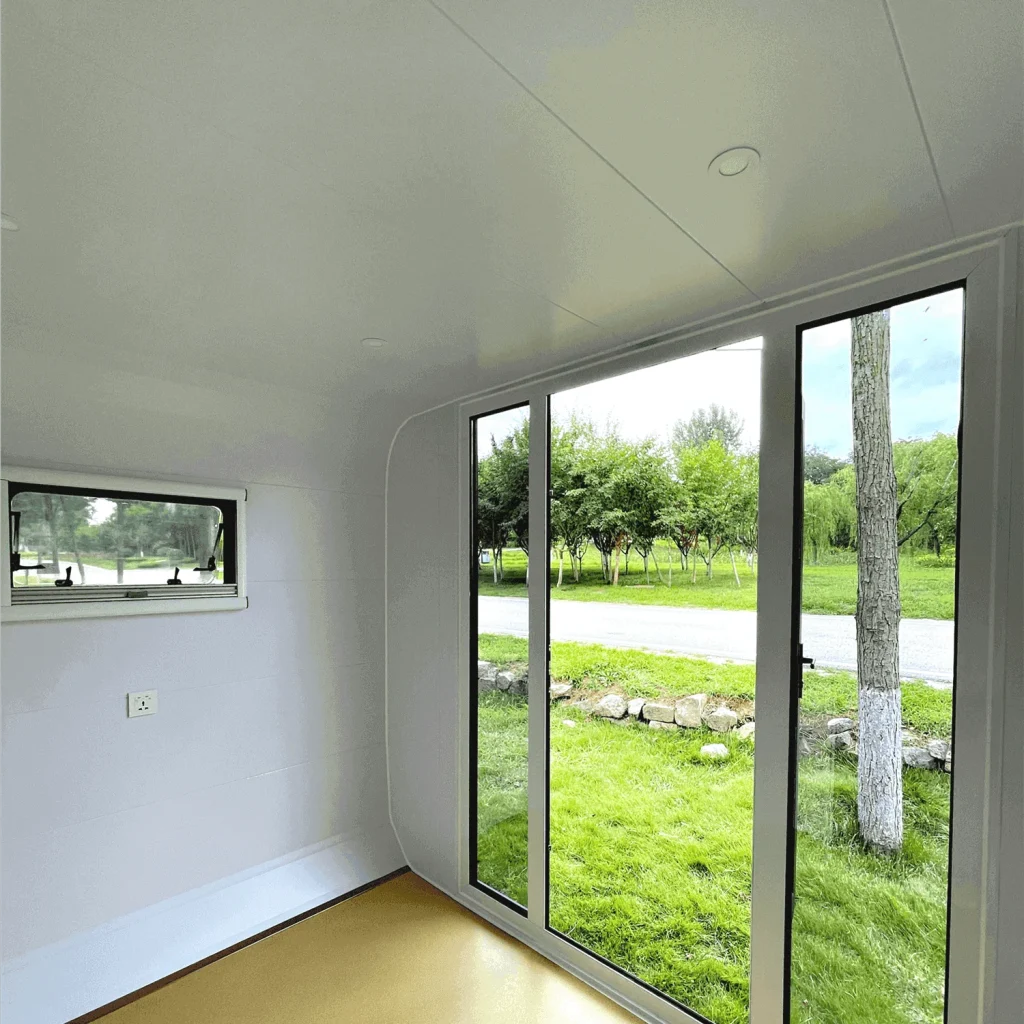
The Financial Case for Tiny House Pods in Short-Term Rentals
Treating a pod like standard real estate will ruin your margins. You are selling an experience, not square footage.
The “Instagram Factor”: Why Pods Command Premium Nightly Rates
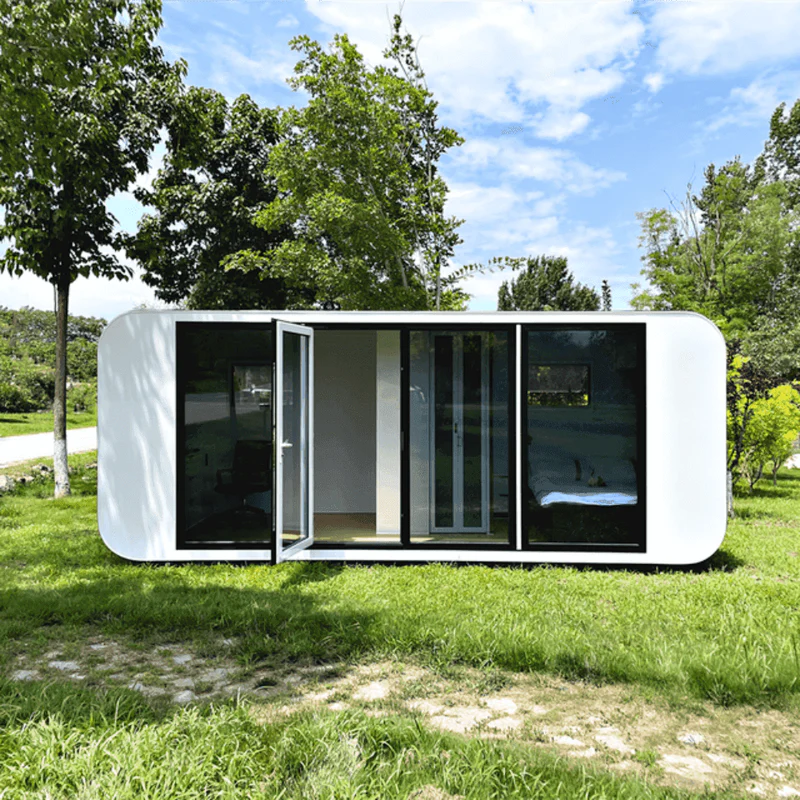
When travelers book a tiny home capsule, they want a unique aesthetic they can’t get in a hotel. The sleek aluminum exterior and curved panoramic glass of a pod naturally drive social media shares. From the projects we’ve completed in places like the Texas Hill Country and the Catskills, standard 200 sq ft pods consistently rent for $200 to $350 per night. These rates rival local luxury homes that cost three times as much to build.
Fast Setup Time vs. Traditional Cabin Construction
Time is your enemy in real estate. When you order small house pods, they are manufactured in 30 to 45 days. Once the flatbed arrives at your property, crane installation takes roughly two hours. If your foundation and utilities are ready, you can start generating revenue the same week your unit is delivered.
Lower Capital Risk Through Portability
If you build a cabin and the local tourism market crashes, your investment is stuck. If a pod resort underperforms, you can hire a crane, disconnect the utilities, and move your entire business to a more profitable location for about $3,000 to $5,000 per unit.
Biogreen Apple Capsule: Redefining High-End Aesthetics
Choosing the Right Pod Model for Your Target Guest
Do not buy the cheapest pod available. You must select the model that serves your most profitable demographic.
Apple Cabin 20ft for Romantic Couples Getaways
The 20ft Apple Cabin (roughly 160 sq ft) is the undisputed king of glamping ROI. It costs between $18,000 and $25,000 to purchase. Because it only sleeps two, it attracts couples—the lowest-maintenance, highest-paying demographic in the short-term rental market.
Connecting Multiple Pods for Family Stays
If you want to target families, do not force them into a single tiny pod. Instead, build a wooden deck that connects two separate 20ft pods. One serves as the master suite, and the other holds bunk beds and the kitchenette. This gives parents acoustic privacy (which they will gladly pay a premium for).
Features Guests Pay Extra For (Skylights, Decks)
Guests will tolerate a small bathroom, but they demand “wow” features. Ensure the unit you buy includes a stargazing skylight above the bed. Furthermore, a 200 sq ft interior feels massive when it opens flush onto a 300 sq ft cedar deck.
Preparing Your Land for a Glamping Pod Resort
The metal box is only half the product; the site dictates your success.
View Optimization and Privacy Screening Between Pods
The massive front window is your primary selling point. Position each pod so the glass faces nature, not the access road or the neighboring unit. Use a compass to ensure the morning sun doesn’t blast directly onto the bed. If placing multiple units, use natural landscaping (berms, dense trees) to ensure guests cannot see each other from their windows.
Off-Grid vs. Grid-Tied Utility Strategies
Trenching municipal power and water to 5 different pods on a large property can cost $30,000+. If you choose to go off-grid, budget $12,000 to $18,000 per pod for a 5kW solar array, lithium battery bank, and a high-end composting toilet system. Off-grid setups appeal heavily to eco-tourists, often allowing you to charge a 15% nightly premium.
Creating Outdoor Living Spaces (Firepits, Hot Tubs)
Data from AirDNA consistently shows that rural listings with hot tubs have a 20-30% higher occupancy rate. Pair a sunken cedar hot tub with a smokeless fire pit and high-end outdoor lounge seating. The goal is to keep guests outside, minimizing wear and tear on the pod’s interior.
Managing a High-Tech Pod Rental Remotely
Pods are highly automated, making them perfect for remote management if set up correctly.
Smart Locks and Keyless Entry Systems
Standard residential smart locks often fail on heavy metal container doors. Install commercial-grade smart locks (like Schlage Encode) and verify the unit is perfectly level so the door latch aligns flawlessly. Integrate the lock with your booking software to auto-generate codes for each guest.
Remote Climate Control to Save Energy
Metal pods heat up fast. Integrate a smart thermostat (like an Ecobee) into the pod’s mini-split HVAC system. When a guest checks out, remotely adjust the temperature to 78°F in summer to save energy, then drop it to 68°F two hours before the next guest arrives.
Maintenance Schedules for Pod Exteriors
Aviation aluminum requires almost zero maintenance, but the panoramic glass does. Budget for a professional window cleaning service monthly. Additionally, inspect the exterior silicone seals around the windows every 12 months to prevent leaks.
Modern Office Apple Cabin: Explore the Tiny Modern Office Apple Cabin House and Its Factory Production Strength
Navigating Zoning and Permitting for Glamping Resorts
This is where unprepared investors fail. You cannot just drop five pods in a field.
Campground vs. Residential ADU Zoning
Single Unit:If placing one pod behind an existing home, classify it as an Accessory Dwelling Unit (ADU). It must meet local residential building codes (IRC).
Multiple Units:If you are setting up three or more pods on vacant land, you must apply for “Campground” or “Commercial Glamping” zoning. This requires submitting commercial site plans, traffic studies, and undergoing public hearings.
Handling Septic and Waste in Rural Areas
If you don’t have municipal sewer access, you must install an engineered septic system. If the local soil doesn’t perc (absorb water), you must pivot to buying pods equipped with high-capacity incinerating or composting toilets, which requires specific approval from the county health department.
FAQ
How quickly can a tiny house pod pay for itself on Airbnb?With a total landed investment (pod, shipping, foundation, deck, hot tub) of roughly $65,000, and a conservative net profit of $30,000 per year, most optimized pod rentals hit their break-even point in 24 to 28 months.
Do guests find pod tiny houses too small for week-long stays?Yes. Pods are generally suited for 2 to 4-night weekend getaways. For week-long stays, guests typically require full-sized kitchens and laundry facilities, which a 200 sq ft pod cannot comfortably provide. Market them specifically as “weekend retreats.”
How do I clean and maintain the panoramic glass windows?Because the glass is often curved and massive, standard squeegees leave streaks. Use a pure-water fed pole system (like those used by commercial window cleaners) to scrub and rinse the glass without needing to dry it, leaving a spot-free finish.
Launching tiny house pods for the short-term rental market is one of the most lucrative strategies in modern real estate. By prioritizing outdoor amenities like hot tubs, insisting on premium smart-home integration, and strategically navigating local campground zoning laws, you can build a highly profitable glamping retreat that pays for itself in under two years.
apple cabin plans