Top Level Domain (TLD): Why Your Domain Extension Matters More Than Ever
Choosing the right Top Level Domain (TLD) is one of the most important decisions when creating a website. A TLD is the suffix that appears at the end of a domain name, such as .com, .org, .net, or newer options like .tech and .store. While it may seem like a small detail, the TLD you choose can influence your brand image, user trust, and online visibility.
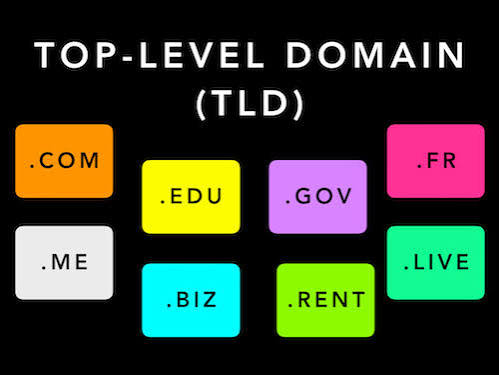
For decades, .com has been the most recognizable and widely used domain extension. Many internet users naturally type ".com" when searching for a business, making it the preferred choice for companies targeting a global audience. However, the internet has evolved, and businesses now have access to hundreds of specialized TLDs that better reflect their industry or purpose.
A relevant TLD can strengthen branding by making your website easier to remember. For example, technology companies may choose .tech, educational organizations often use .edu, while nonprofit organizations commonly select .org. Industry-specific extensions can help visitors immediately understand what your website offers before they even click.
From an SEO perspective, search engines generally treat most generic TLDs equally. Google has stated that the extension itself is not a direct ranking factor. Instead, quality content, user experience, page speed, and authoritative backlinks have a much greater impact on search rankings. Nevertheless, a familiar TLD can improve click-through rates because users tend to trust recognizable domain extensions.
Businesses expanding internationally should also consider country-code TLDs (ccTLDs) such as .uk, .ca, or .de. These extensions can signal geographic relevance to both users and search engines, making them valuable for targeting local markets.
When selecting a TLD, consider your audience, branding goals, and long-term business strategy. If your preferred .com domain is unavailable, don't immediately settle for a complicated name. Instead, explore modern TLDs that align with your niche while remaining simple, memorable, and easy to spell.
The increasing variety of domain extensions gives businesses greater flexibility than ever before. Whether you choose a traditional .com or an industry-specific extension, your focus should remain on building a trustworthy website with valuable content and a strong online presence.
Frequently Asked Questions
What is a Top Level Domain (TLD)?
A Top Level Domain (TLD) is the last part of a domain name, such as .com, .org, or .net, which helps identify the purpose or category of a website.
Does a TLD affect SEO?
Not directly. Search engines prioritize content quality, website performance, and backlinks over the domain extension itself.
Is .com still the best TLD?
For many businesses, .com remains the most trusted and recognizable option. However, newer TLDs can be excellent choices when they match your brand or industry.
Can I use a country-specific TLD?
Yes. Country-code TLDs are ideal for businesses targeting customers within a specific nation or region.
How do I choose the right TLD?
Select a TLD that aligns with your business goals, target audience, and branding strategy while keeping your domain name simple and memorable.
Conclusion
Selecting the right Top Level Domain (TLD) is an important part of building a successful online presence. While .com continues to dominate in popularity, many modern domain extensions provide excellent branding opportunities for businesses in every industry. Understanding the strengths of different TLDs will help you make an informed decision for your website. To learn more about whether .com still leads the market and how domain extensions continue to evolve, visit Top Level Domain (TLD).