Culinary Tourism: Exploring a Culture Through Every Bite
Travel is often associated with famous monuments and sweeping landscapes, but the most authentic connection to a destination is found on the plate. Culinary tourism—the act of traveling to experience the unique food and drink of a region—has become one of the most rewarding ways to immerse yourself in a foreign culture.
The Heartbeat of a Destination
Food is a historical document. Every regional dish tells a story of trade routes, climate, migration, and tradition. When you taste a complex mole in Oaxaca or a bowl of steaming pho in Hanoi, you aren't just eating; you are consuming centuries of heritage.
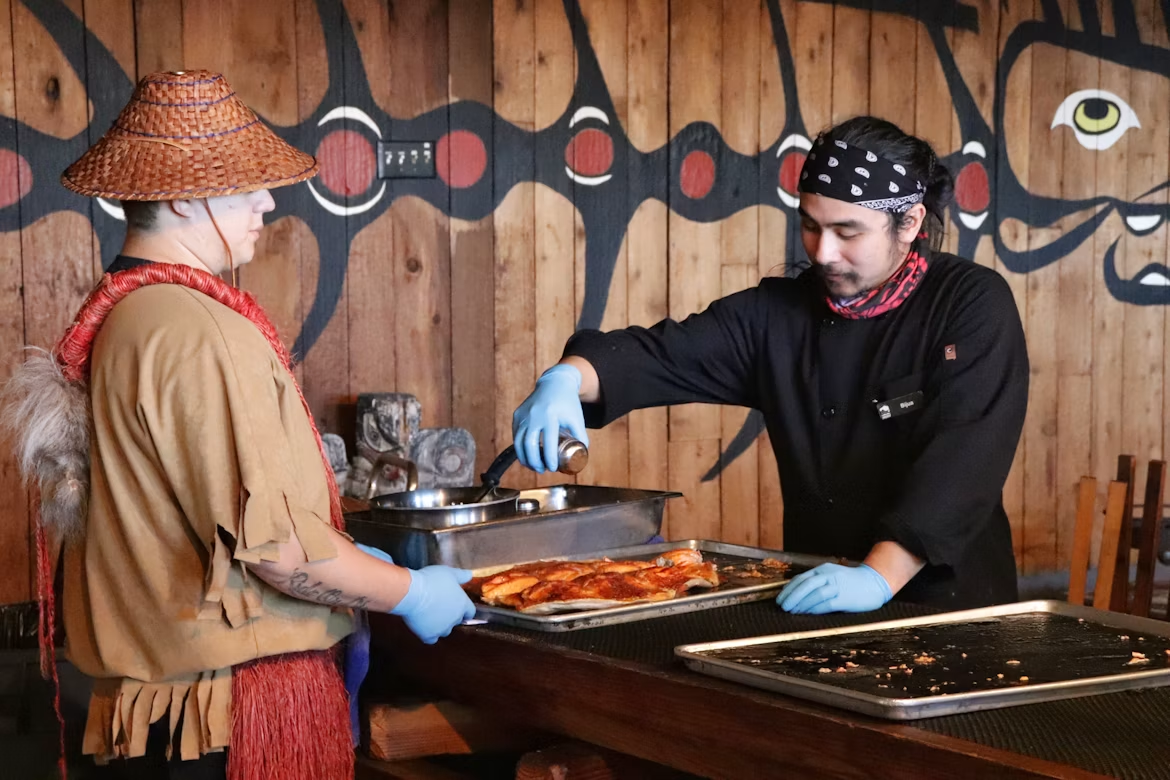
Culinary tourism encourages travelers to move beyond tourist traps and into the kitchens, street markets, and family-run tavernas where the true soul of a culture resides.
Connecting Through Flavor
Beyond the ingredients, there is the social fabric of dining. Sharing a meze platter in Greece or participating in a traditional tea ceremony in Japan offers a window into local etiquette, values, and community life.
Culinary travelers get to witness the pride producers take in their craft—whether it’s the artisanal cheesemaker in the French Alps or the olive oil harvester in Tuscany. By supporting these local food systems, travelers play an active role in preserving culinary traditions that might otherwise fade away.
Tips for the Culinary Traveler
To truly embrace the culinary spirit of your next trip, step outside your comfort zone:
Visit local markets: This is where the local ingredients shine and daily life happens.
Take a cooking class: Learning to prepare a national dish builds a lasting personal connection to the region.
Follow the locals: If there’s a line of residents outside a humble corner stall, that is your next stop.
Ultimately, culinary tourism transforms the act of eating into an act of exploration. It reminds us that while languages may differ, the universal language of food brings us all together.