1959 Trabant P50 — The Icon of the East
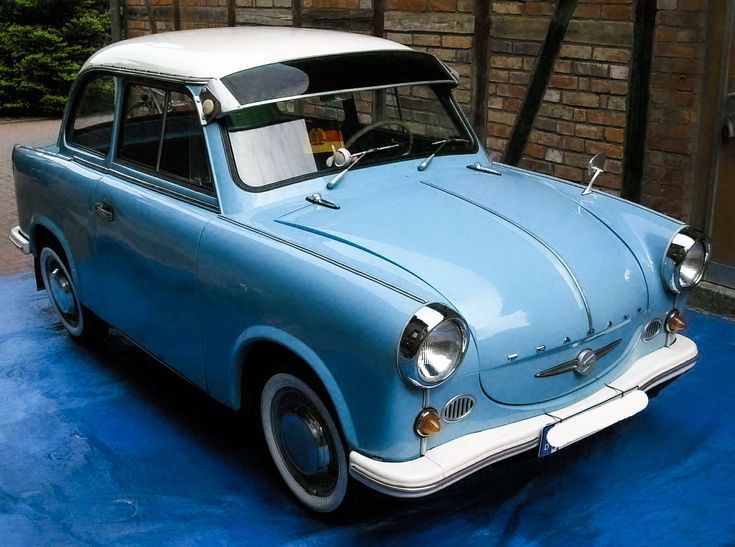
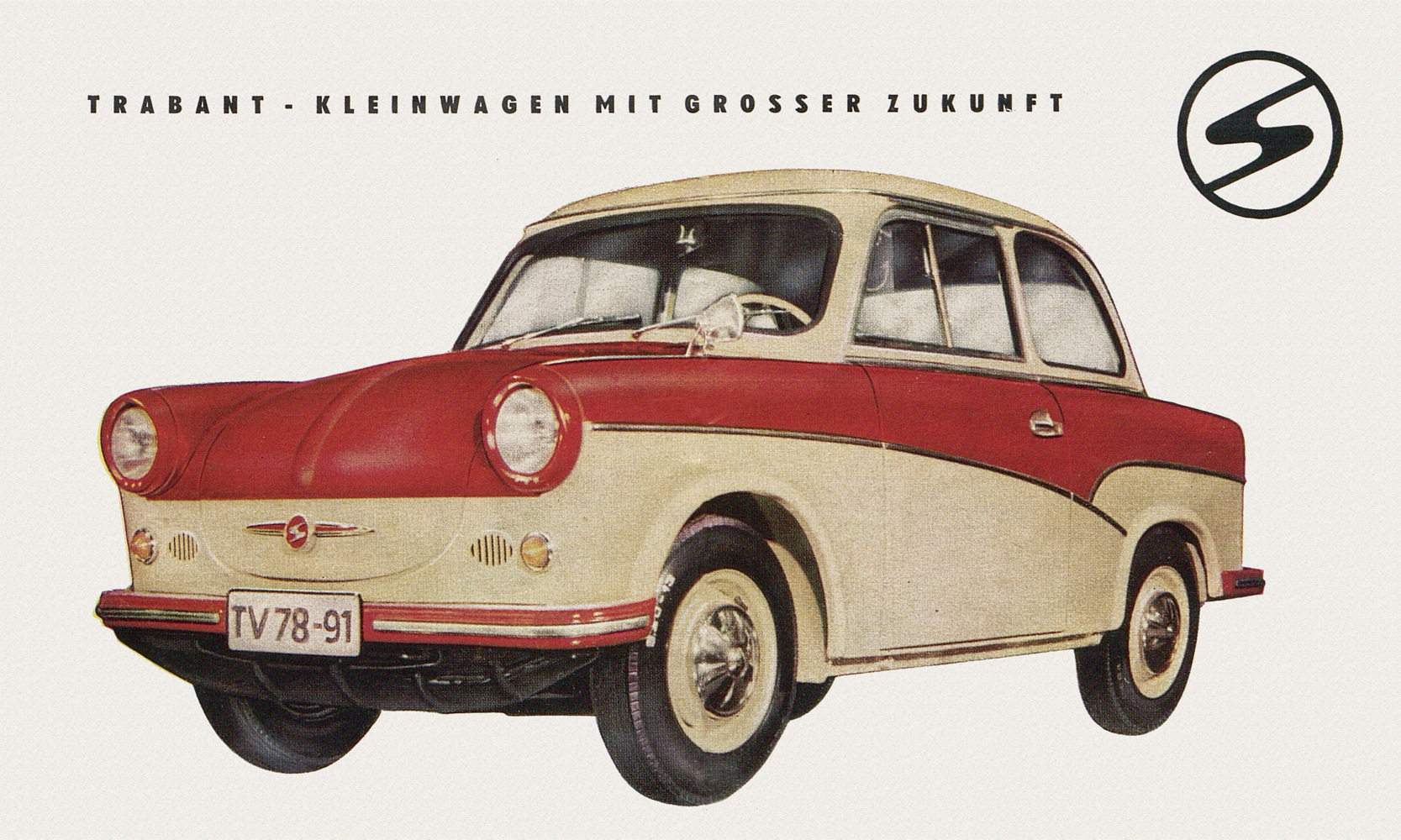
1959 Trabant P50 — The Icon of the East
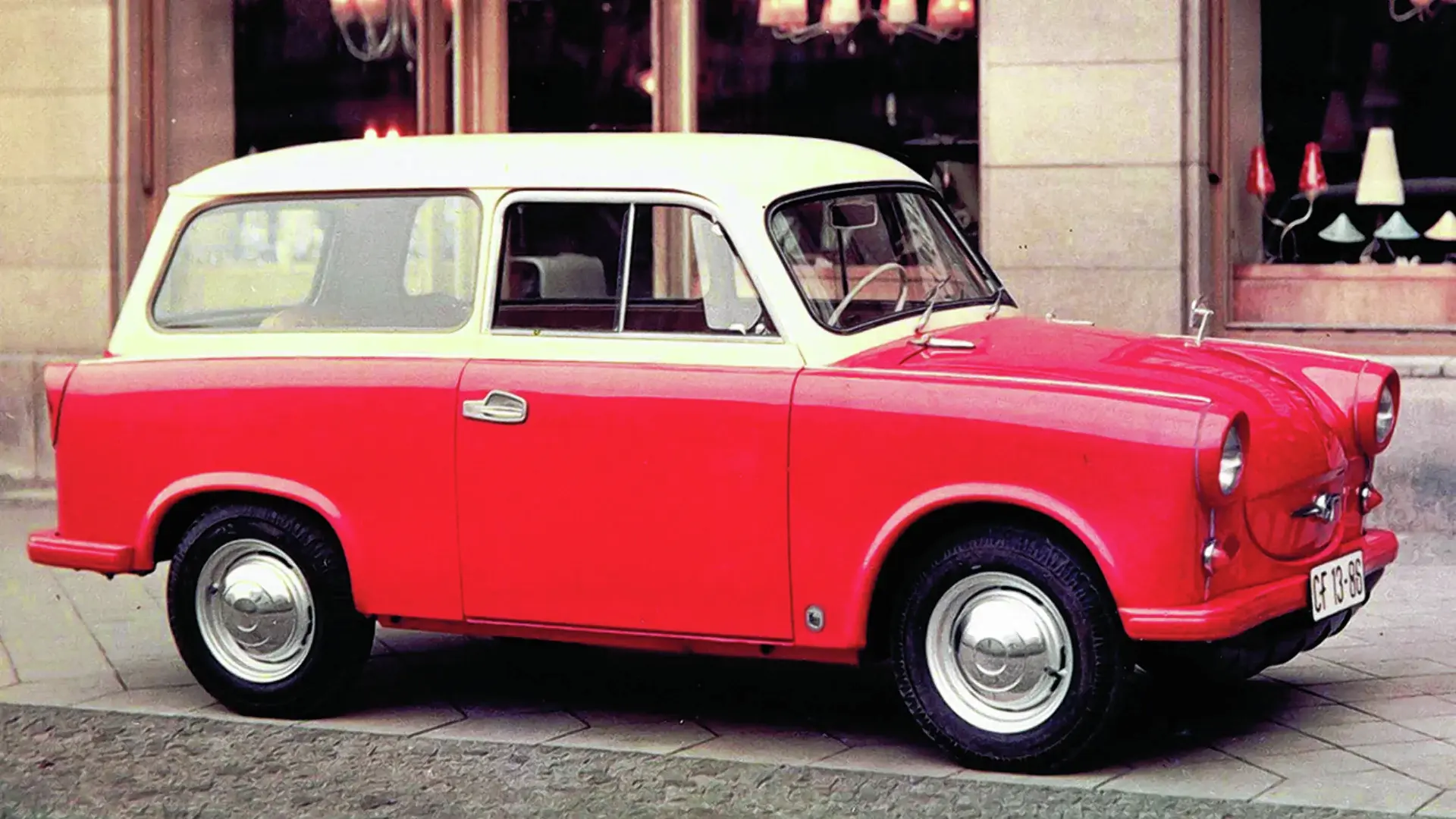
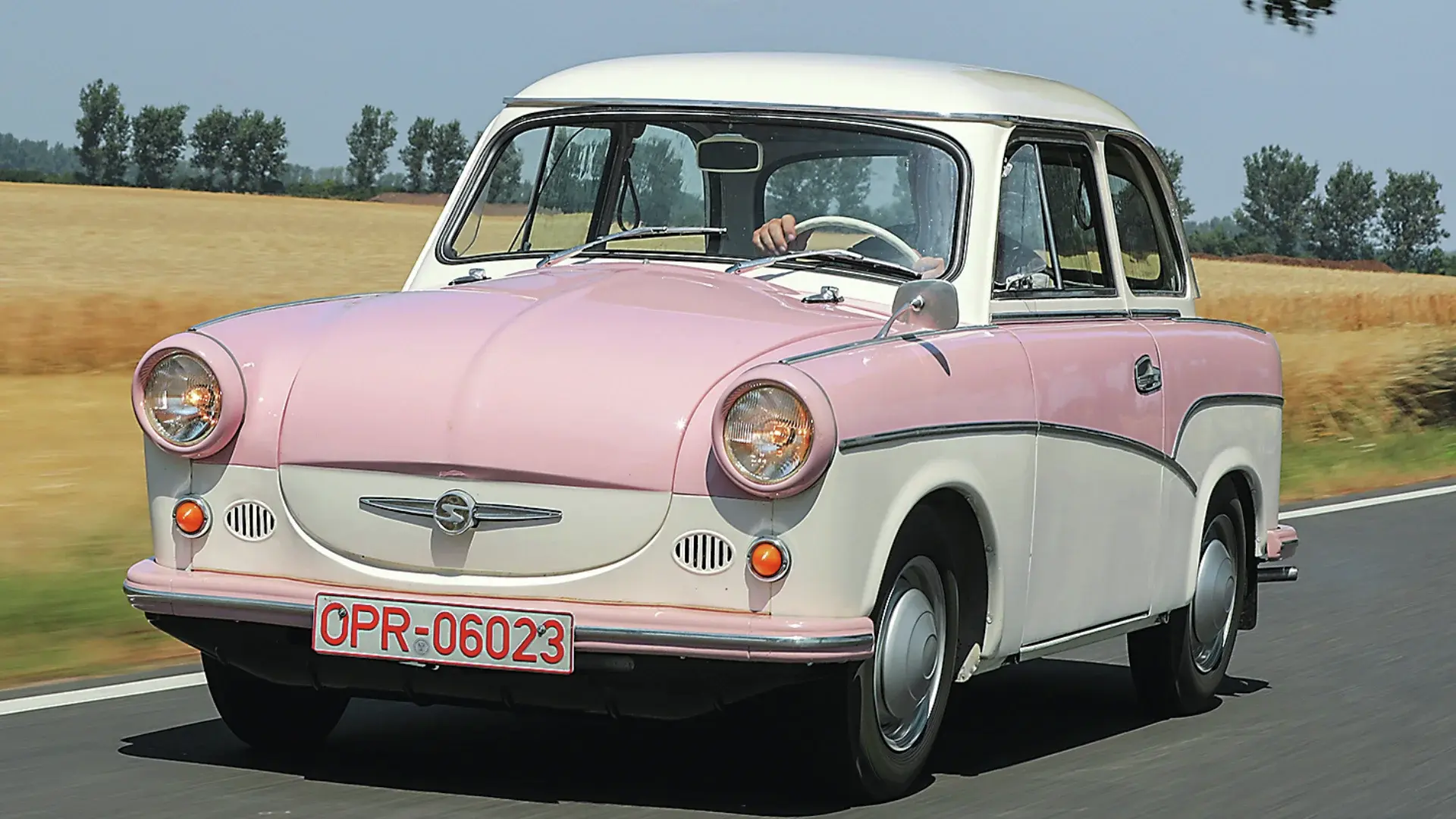
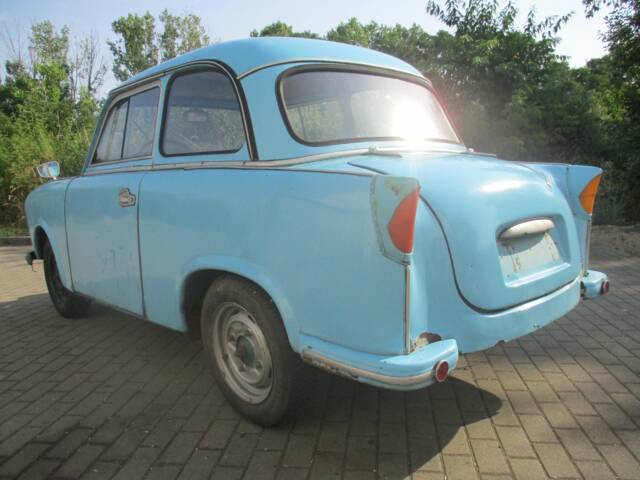
The Trabant P50 is one of the most remarkable cars ever produced — not for its performance, luxury, or beauty, but for what it represented. Built in East Germany by VEB Sachsenring Automobilwerke Zwickau, the Trabant (meaning “satellite” in German, a nod to Sputnik) was the people’s car of the Eastern Bloc, a symbol of communist-era motoring that would go on to become a cultural icon.
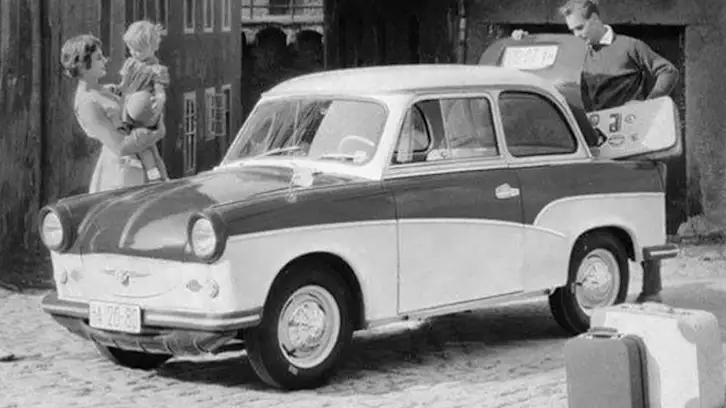
The P50 was the first generation of Trabant, produced from 1957 to 1962. It replaced the pre-war IFA F8 and was designed to be simple, affordable, and durable. In a country where car ownership was tightly controlled and waiting lists stretched for over a decade, the Trabant was more than just a car — it was a ticket to freedom (limited as it was).
The Body That Defied Convention
The most extraordinary thing about the Trabant was its body. While Western cars used steel panels, the Trabant’s body was made of Duroplast — a fiberglass-like material made from cotton waste (or even recycled rags) bonded with phenolic resin. It was strong, lightweight, and would never rust.
Duroplast was born out of necessity. East Germany lacked the steel production capacity to supply its automotive industry, but it had plenty of cotton waste from textile manufacturing. The result was a car body that was actually a composite material — decades before Western manufacturers adopted similar technology for cars like the Chevrolet Corvette and Smart Fortwo.
The downside? Duroplast was brittle and difficult to repair. A sharp impact could crack the body rather than dent it, and repairs required specialized skills. But in a country where cars were cherished possessions, owners learned to care for their Trabants with dedication.
Under the Bonnet
The Trabant P50 was powered by a tiny two-stroke, two-cylinder engine — about as simple as an engine could be.
| Spec | Detail |
|---|---|
| Engine | 499 cc two-stroke twin |
| Power | 18 hp at 3,750 rpm |
| Torque | 29 lb-ft at 2,750 rpm |
| Top Speed | ~90 km/h (56 mph) |
| 0–100 km/h | It didn’t (top speed was 90 km/h) |
| Transmission | 4-speed manual (no synchromesh on first gear) |
| Weight | ~620 kg (1,367 lbs) |
| Fuel | 2-stroke mix (petrol + oil) |
The two-stroke engine meant you had to mix oil with the petrol, and it produced a distinctive blue-ish exhaust smoke and that unforgettable buzzing sound — a bit like a chainsaw crossed with a lawnmower. The engine was mounted at the front, driving the front wheels — unusual for its era and class.
The P50 consumed about 6.5L/100km — not bad for its time — and could theoretically reach 90 km/h, though in practice you’d be lucky to hold 80 km/h on a good day with a tailwind.
Life Behind the Wheel
Driving a Trabant was an experience. The suspension was basic — independent at the front with coil springs, and a solid axle with leaf springs at the rear. The steering was vague, the brakes were marginal (drum brakes all around), and the heater was a joke.
But none of that mattered to the millions of East Germans who waited years for the privilege of owning one. The Trabant represented mobility, independence, and status in a society where both were severely restricted. Trabant owners formed clubs, shared spare parts, and helped each other keep their beloved cars running.
The interior was spartan: a single speedometer, basic switchgear, and seats trimmed in synthetic leather. The car was available as a two-door saloon, a convertible, a estate (Kombi), and even a tiny pickup truck.
The Trabant’s Legacy
The Trabant remained in production for over 30 years, from 1957 to 1991, with over 3 million units built. The P50 was succeeded by the 601 in 1964, which remained essentially unchanged (besides minor updates) until production ended.
When the Berlin Wall fell in 1989, the Trabant became a symbol of the reunification. Suddenly, East Germans could buy Western cars, and thousands of Trabants were abandoned on the streets — their owners having driven their last Trabant to a Western dealership and traded it in for a used Golf or Opel.
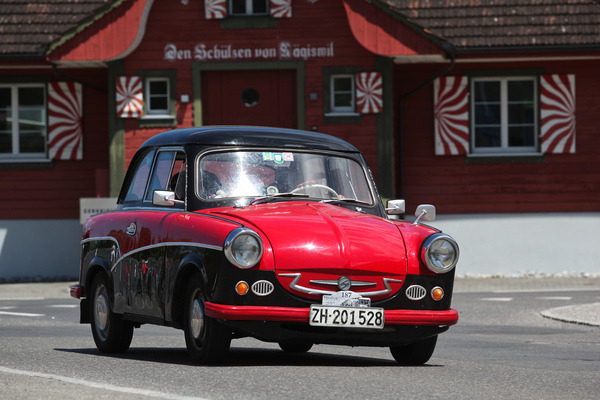
Today, the Trabant has undergone a remarkable transformation. From a symbol of communist deprivation, it has become a beloved classic with a devoted following. Trabant clubs exist worldwide, values are climbing, and the little Duroplast car is celebrated for its charm, simplicity, and place in history.
The Trabant even has a presence in South Africa — a small number were imported after the fall of the Berlin Wall as curiosities. They remain rare and distinctive sights on South African roads, cherished by owners who appreciate their unique place in automotive history.
The P50 vs. Some Other Eastern Bloc Icons
| Car | Country | Engine | Power | Top Speed |
|---|---|---|---|---|
| Trabant P50 | East Germany | 499 cc 2-stroke twin | 18 hp | 90 km/h |
| Wartburg 311 | East Germany | 900 cc 3-cylinder 2-stroke | 37 hp | 110 km/h |
| Fiat 500 | Italy | 479 cc 2-cylinder | 13 hp | 85 km/h |
| VW Beetle | West Germany | 1.2L flat-four | 30 hp | 110 km/h |
Sources:
- Wikipedia — Trabant
- Trabant History — Trabantwelt
- Hemmings — Trabant Buyer’s Guide
- Silodrome — Trabant P50 History
The Trabant is a car that divides opinion — some see it as a joke, others as a cherished piece of history. What do you think? Would you ever own a Trabant, or is there another unusual car from history that you’d love to try? Share your thoughts below!
Thank you for sharing on steem! I'm witness fuli, and I've given you a free upvote. If you'd like to support me, please consider voting at https://steemitwallet.com/~witnesses 🌟