Is it Possible to Start Algorithmic Trading with No Experience?
The market has always been simple in one respect — money here is earned not by the smartest, but by those who can act systematically. Algorithmic trading has only reinforced this logic: discipline and processes work better than emotions, and many beginners look towards automation as a way to avoid stepping on the same rakes as the crowd.
But the main question remains: is it possible to start algorithmic trading with absolutely no experience?
The short answer is yes, it is.
But only if you don't approach it with fantasies about "a robot making money for me," but through a normal approach: understanding basic mechanics, risk control, and a sober assessment of your actions.
Why Entering Algorithmic Trading Has Become Easier
Previously, everything depended on code, infrastructure, and the ability to maintain your own software. Now, tools have appeared that allow you to enter the process without unnecessary technical hassle. For example, on platforms like Crypto-Resources.com, there are ready-made working setups — not toys, but real strategies with history, logs, PnL, and profitability filters.
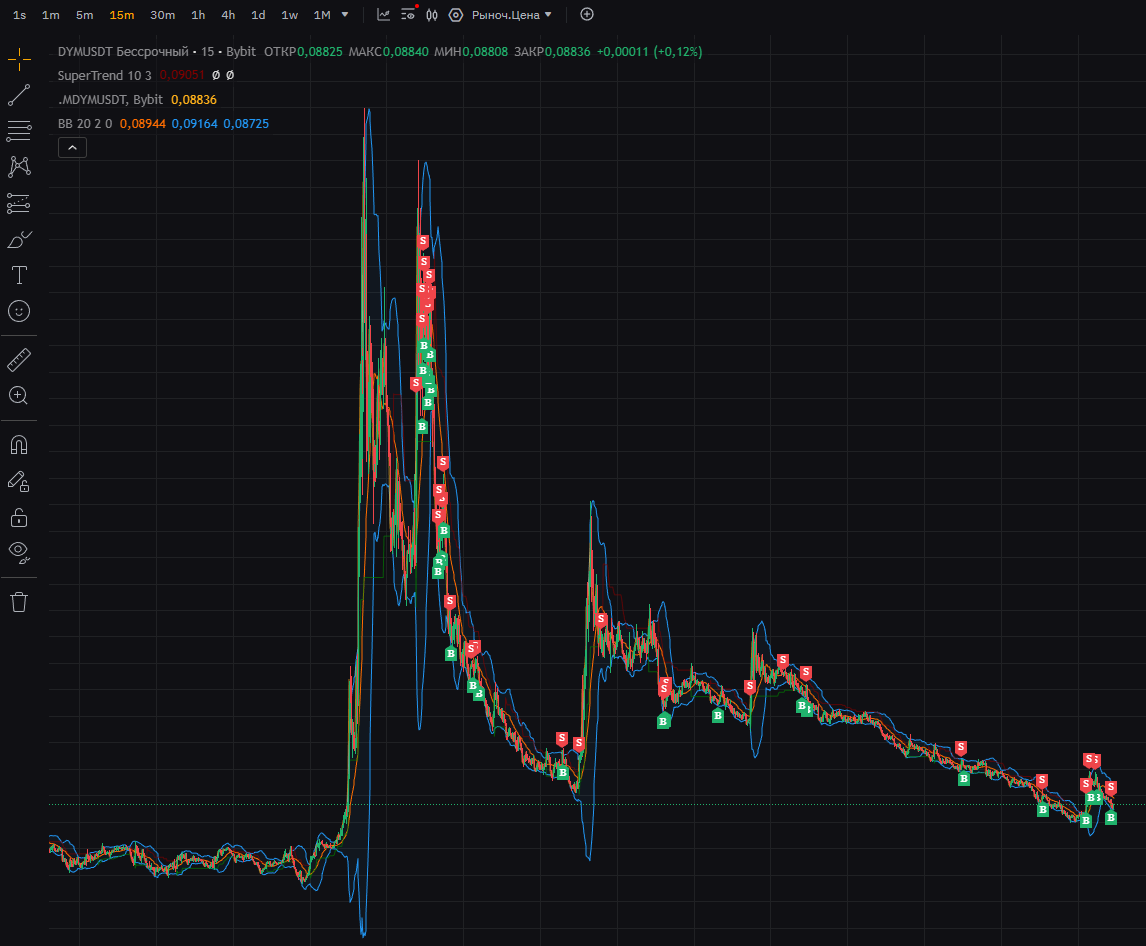
Example of a trading algorithm at work: you can see how the system follows set rules without emotions.
And here's what's important: even if a beginner doesn't understand how every internal formula works, they can understand the logic of the approach, the entry conditions, the risk level, and what to expect from the strategy. This is already professional-level behavior, not gambling haste.
What You Really Need to Master at the Beginning
No illusions here — a couple of things are mandatory:
Understanding risk and the load on your deposit. Many "beginners" on the spot market don't even notice that they open positions as if they're trading not the market, but a lottery. To prevent automation from turning into a disaster, you need to clearly understand what percentage of your deposit you allocate to a strategy.
Types of strategies and their behavior in different market phases. There are bots that work in prolonged trends, ones that capitalize on movement during pumps/dumps, and calm spot strategies focused on strong assets. A proper entry into algorithmic trading is the ability to choose a strategy suited to the market, not to your mood.
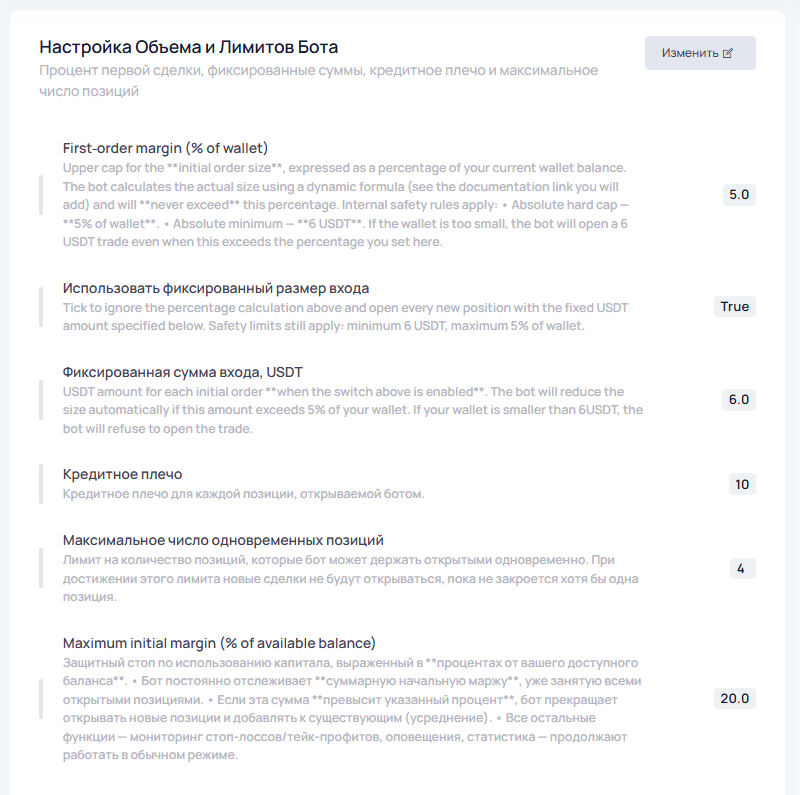
Example of bot settings: you don't need to be a programmer, but understanding the main parameters is essential.
- Basic knowledge about the platform where the bot is connected. You don't need to become an engineer, but understanding how the API connection works and what exactly you are granting to the system is strictly necessary.
When It Makes Sense to Move from Theory to Practice
There is a simple test: if you can explain in your own words:
– which bot you are choosing,
– why you need it,
– what its strengths and weaknesses are,
– what you consider an acceptable drawdown,
– and what you will do if the market shifts —
then you are ready to launch your first strategy.
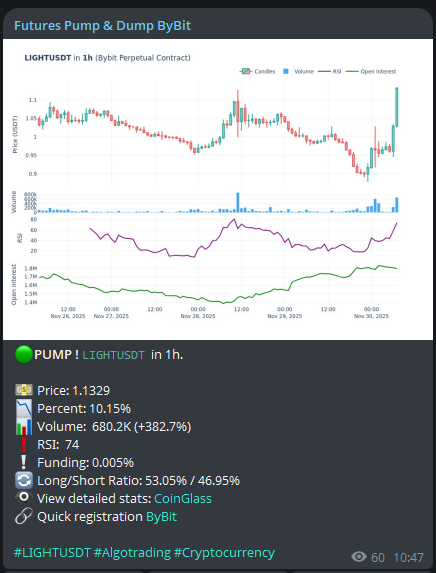
A screener for finding signals: analytical tools help make decisions based on data, not emotions.
If you are still confused about the basics — it's better to study a bit more, look at real cases and examples of how strategies behave in different market phases. The same Crypto Resources allows you to study the median of strategies and internal filters before pressing the launch button — this saves a lot of nerves.
Conclusion
Starting algorithmic trading with no experience is possible. But this is not a "backdoor entry," but a normal professional process:
- first, understanding,
- then careful launch,
- and only then scaling up the volume.
This approach instills discipline and makes a trader stronger than any emotions or attempts to catch luck by the tail.
P.S. This article is for informational purposes only and is not investment advice. Trading on financial markets involves the risk of loss of funds.