Indian Weddings: Traditions, Rituals, and Customs
Indian weddings are a kaleidoscope of colour, music, and centuries‑old rituals that turn a marriage into a communal celebration. From the north’s opulent baraat to the south’s elegant saptapadi, each region adds its own flavour, yet the underlying values of family, spirituality, and joy remain constant.
The ceremony usually begins with the Roka or Mangni, a simple exchange of rings that marks the families’ consent. A few days later, the Mehndi night gathers the bride’s female relatives to apply intricate henna designs, symbolising love and prosperity.
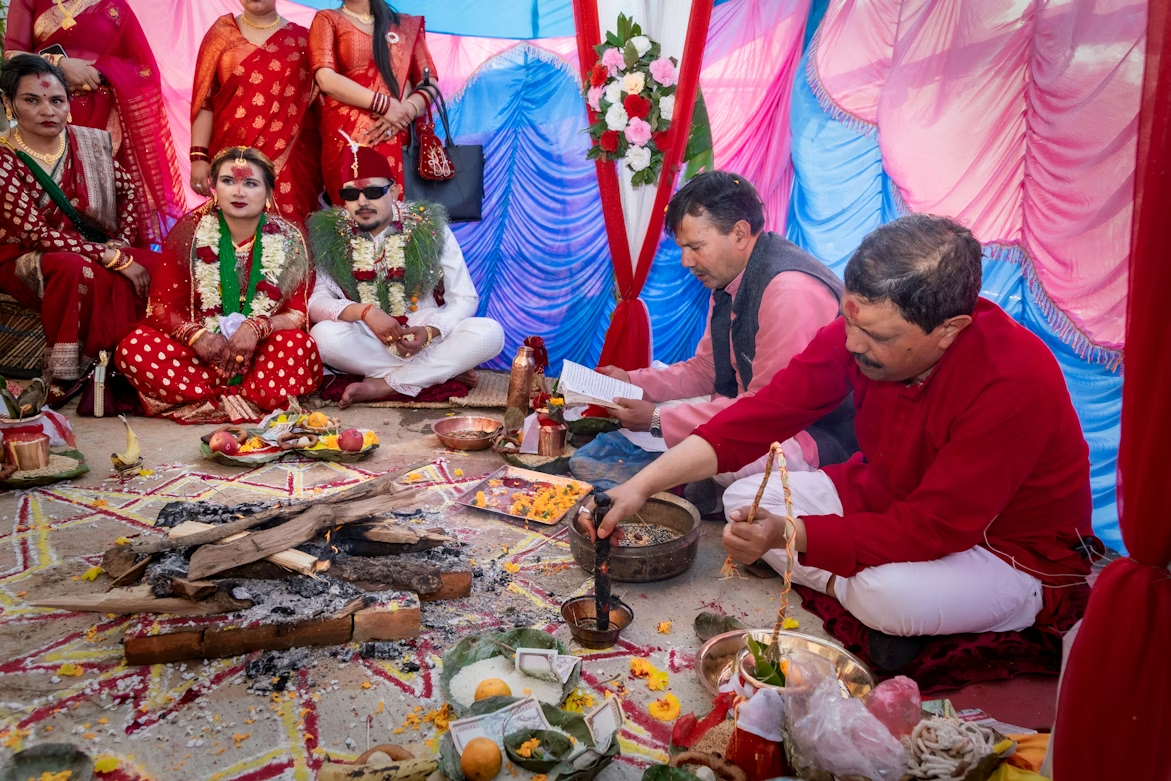
In many communities the groom’s family hosts a Sangeet, a lively rehearsal where both sides perform choreographed dances, breaking the ice between the two clans.
On the wedding day, the groom arrives on a decorated horse or in a modern car, leading a joyous Baraat accompanied by drums, trumpets, and dhols. He is greeted by the bride’s family with Aarti and garlands, and the couple exchanges Jaimala—flower garlands that signify their acceptance of one another.
The core of the ritual is the Saat Phere (seven rounds) around the sacred fire. With each phera the couple recites a vow, promising to share health, wealth, fidelity, children, spiritual growth, and everlasting companionship. The Saptapadi, seven steps taken together, seals the promise in Hindu law.
After the fire ceremony, blessings flow from elders while guests shower the couple with Bidas (rice and flower throws). A sumptuous feast follows, featuring regional specialties such as biryani, dosas, or Punjabi butter chicken, illustrating India’s culinary diversity.
The final custom, Vidaai, sees the bride bid farewell to her parental home, a bittersweet moment that marks her transition into a new family. Though each ritual varies by language, caste, and state, together they create an unforgettable tapestry that celebrates love, heritage, and unity.
May every Indian wedding shine with timeless grace, joy.
Upvoted! Thank you for supporting witness @jswit.