Georgia: A Journey of Faces, Contrasts, and Surprises – EP. #10
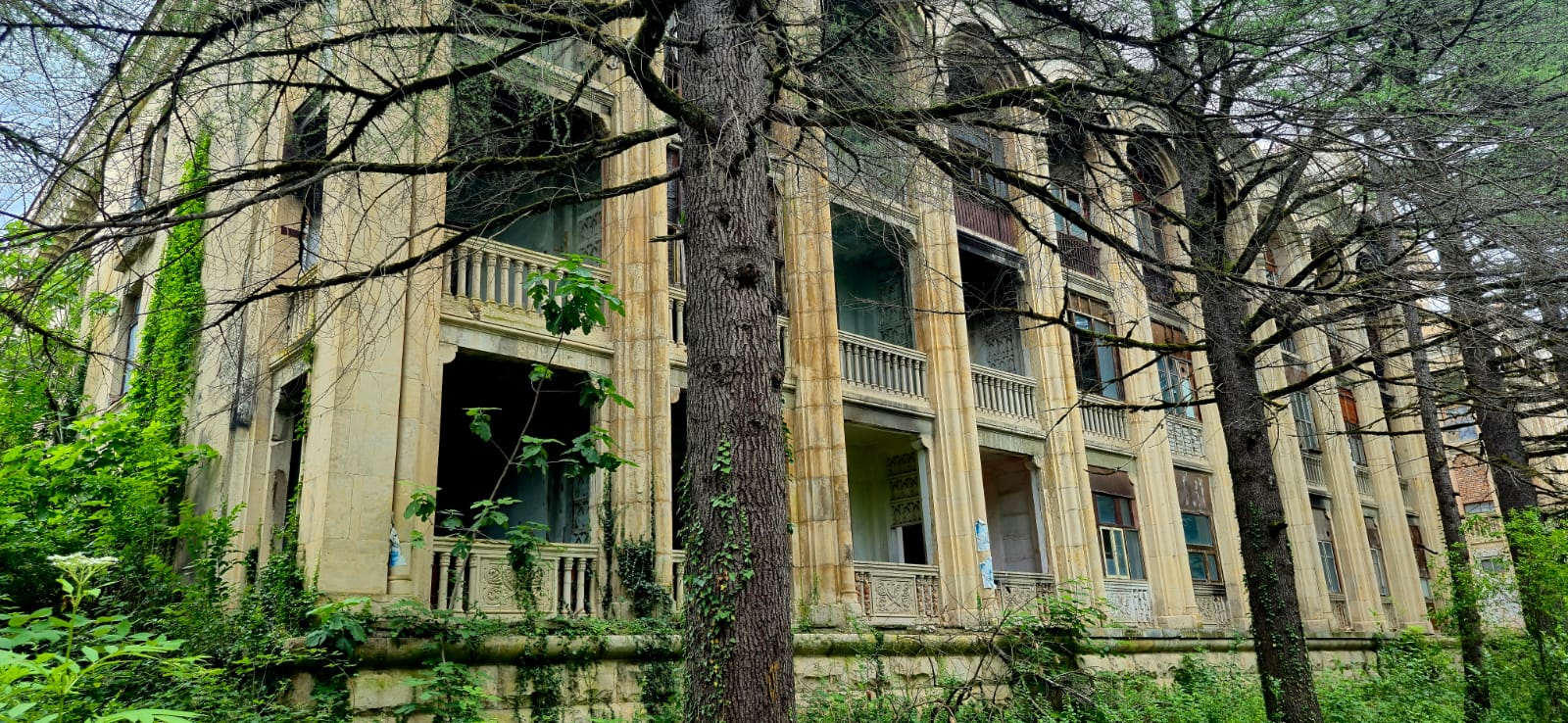
One of the sanatoriums, converted into a shelter for refugees from Abkhazia
This is the English version of the post Georgia: Un Viaggio di Volti, Contrasti e Sorprese - EP. #10, originally published in Italian in the ITALY community.
My family and I have just returned from a trip to Georgia, which led us to discover large cities, well‑known international destinations, and small towns not yet touched by mass tourism. We met wonderful people who will stay in our hearts forever, but also some who were decidedly more irritable and unpleasant. We experienced fun moments and others that were much less so. This is the unfiltered story of what happened, and I hope you enjoy it.
Previous chapters
Chapter 1 - Alcoholic Transfer
Chapter 2 - Heading toward the ‘most precious water in the world
Chapter 3 - There’s more than just water
Chapter 4 - The Disney Castle
Chapter 5 - A thousand years of history
Chapter 6 - On the Road to the Black Sea
Chapter 7 - Batumi Beyond the Beach
Chapter 8 - Batumi, the Sea
Chapter 9 - The ancient kingdom of Colchis
Chapter 10 – Tskaltubo, an important symbol of the Soviet era
One might think that in a small town like Kutaisi there wouldn’t be much for a tourist to see, but the number of historical, archaeological, and natural sites around the capital of Imereti is so vast that it’s often impossible to visit them all in the few vacation days available.
And so, while last year we chose the Sataplia Nature Reserve (READ HERE THE POST), this time we headed toward a completely different location — just as fascinating and rich in history — a powerful symbol of the Soviet era.
About fifteen minutes away from Kutaisi by marshrutka, roughly ten kilometers, you can stroll through Tskaltubo, a place where history blends with the present and with the dramatic situation of a people — the Abkhazians — forced for years to live in difficult conditions of poverty and decay.
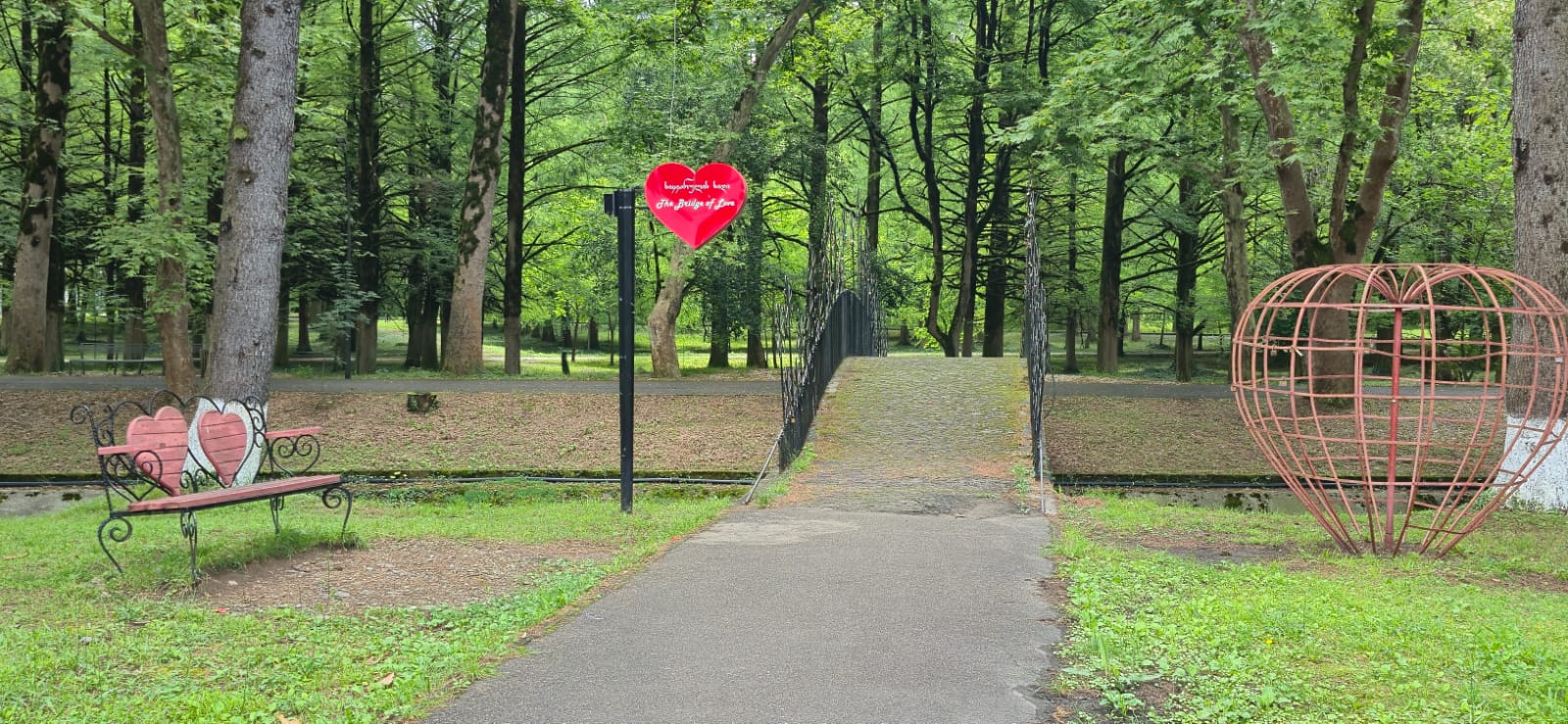
Tskaltubo Park
But let’s go in order and take a step back in time, to the full Soviet era, when Tskaltubo hosted twenty‑two renowned sanatoriums, considered the most important and prestigious in the entire Union, so much so that they had a direct railway connection with Moscow.
These were major thermal centers, and a one‑week stay was granted as a reward vacation to the most deserving workers. The sanatoriums were a powerful propaganda tool through which the Soviet regime showcased its commitment to the care and well‑being of laborers. During their week of rest, workers awarded a stay in Tskaltubo followed a physical regeneration program that included outdoor activities, proper nutrition, and — above all — baths in radon‑rich thermal waters.
The sanatoriums were divided according to the workers’ origin or specialization, and it’s estimated that during the Soviet period they welcomed almost 150,000 visitors per year. Even Stalin loved visiting Sanatorium No. 6, one of the very few still operating today, where you can see the dictator’s favorite bathtub.
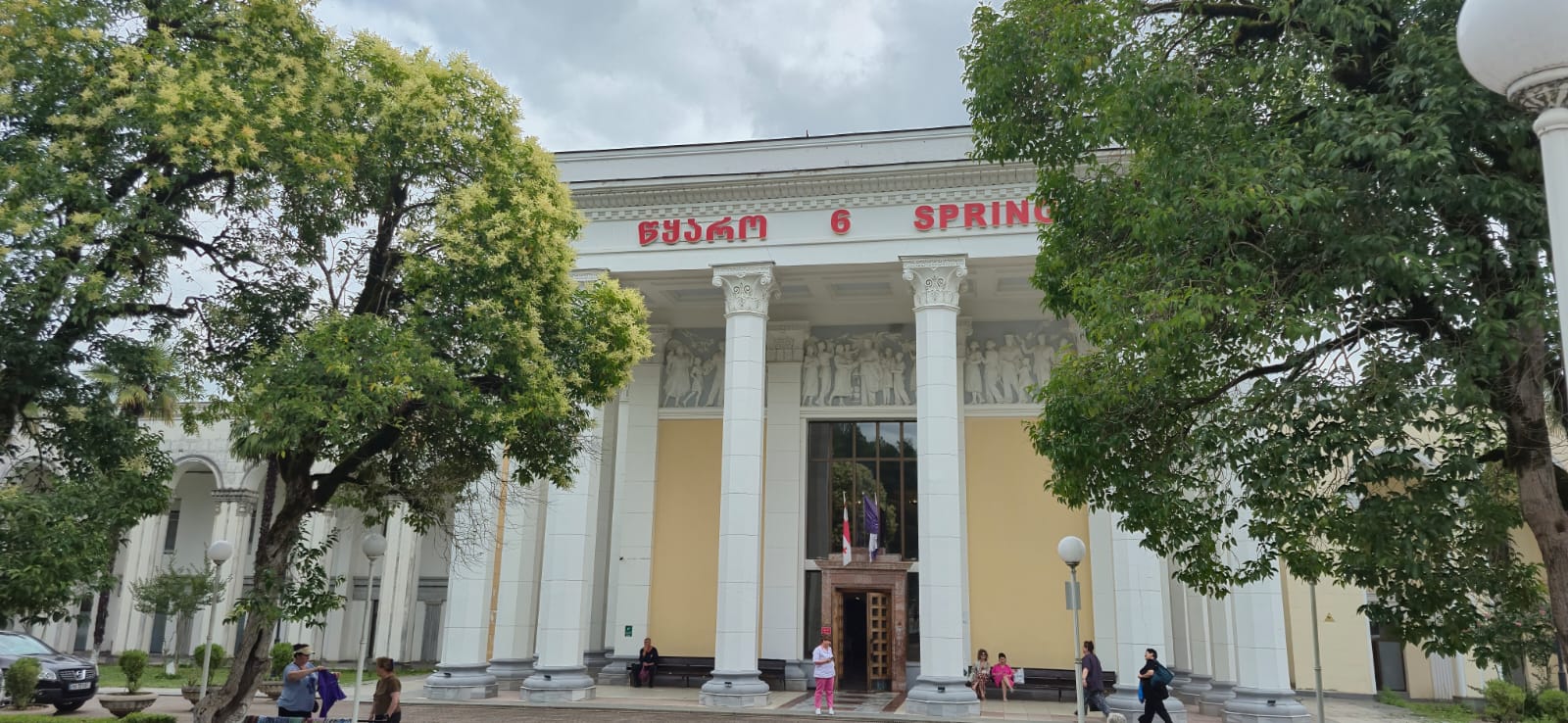
Sanatorium No. 6, one of the very few still in operation
After the dissolution of the Soviet empire, many sanatoriums were converted into reception centers for nine thousand Georgian refugees, mostly women and children, from Abkhazia — housed in what had once been the rooms reserved for spa guests. The solution was meant to be temporary, but in a couple of these buildings, the last refugees who couldn’t or didn’t want to relocate still live today.
The government never resumed maintenance of these massive structures, and living conditions for the refugees were, in many cases, extremely precarious for years. Even though a redevelopment plan has begun — attracting investments from major international hotel brands — most sanatoriums today remain in a state of complete abandonment.
Tskaltubo has thus become an important attraction for lovers of history, photography, and urban exploration, as you can wander inside the structures and peek at what remains of the thermal baths or the improvised living spaces of the refugees.
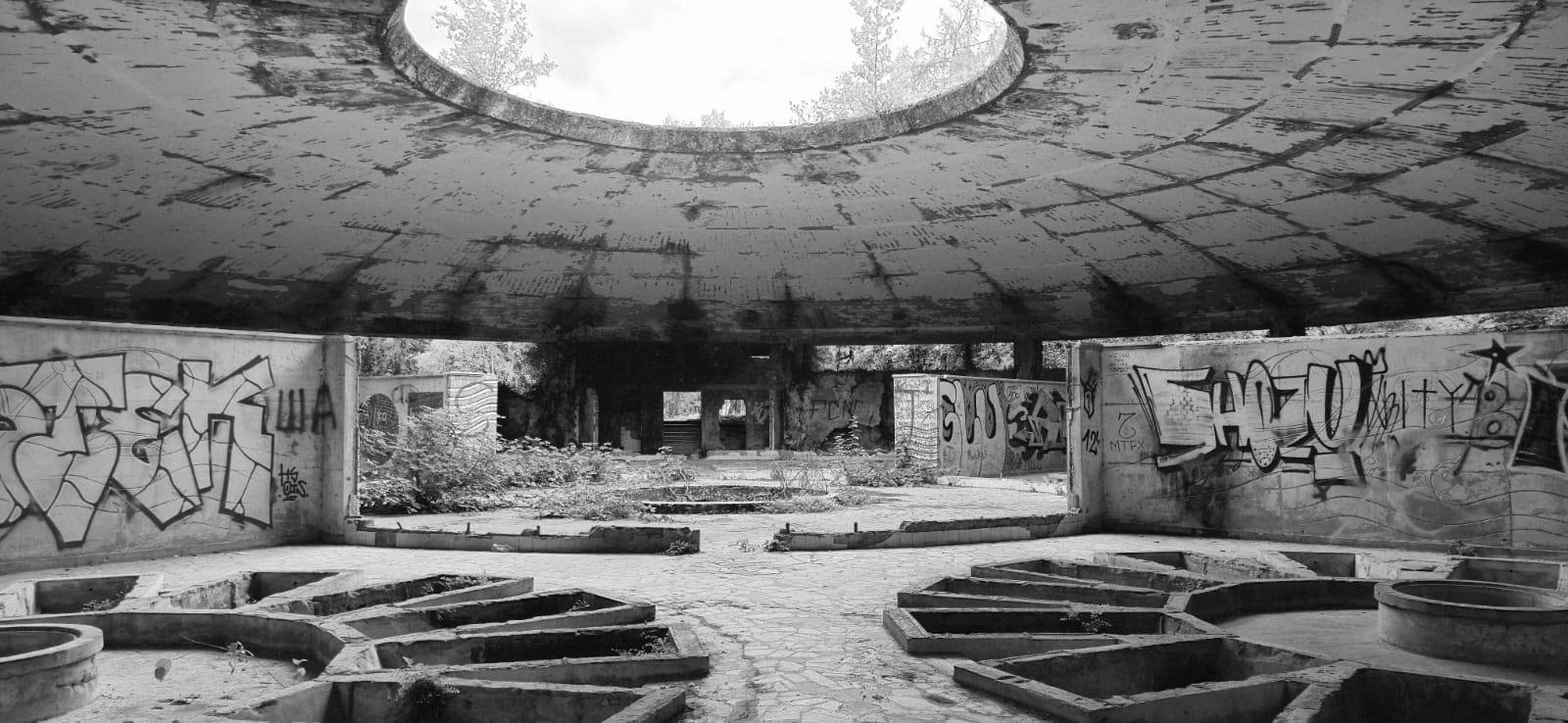
The interior of one of the sanatoriums, where the old thermal baths can be seen
In the thermal centers still open, it’s still possible to book a stay or a daily treatment, which traditionally begins with a visit from a specialized doctor who directs patients toward the most appropriate therapies.
You can choose an all‑inclusive package, including overnight stays, or pay for individual treatments.
I'm part of ITALYGAME Team
together with:
@girolamomarotta, @sardrt, @mikitaly, @mad-runner, @famigliacurione
 👉 VOTA PER NOI COME WITNESS👈
.jpg)
Upvoted! Thank you for supporting witness @jswit.
This post has been upvoted by @italygame witness curation trail
If you like our work and want to support us, please consider to approve our witness
Come and visit Italy Community
Thank you for the support, much appreciated!
Thank you for the support, much appreciated!