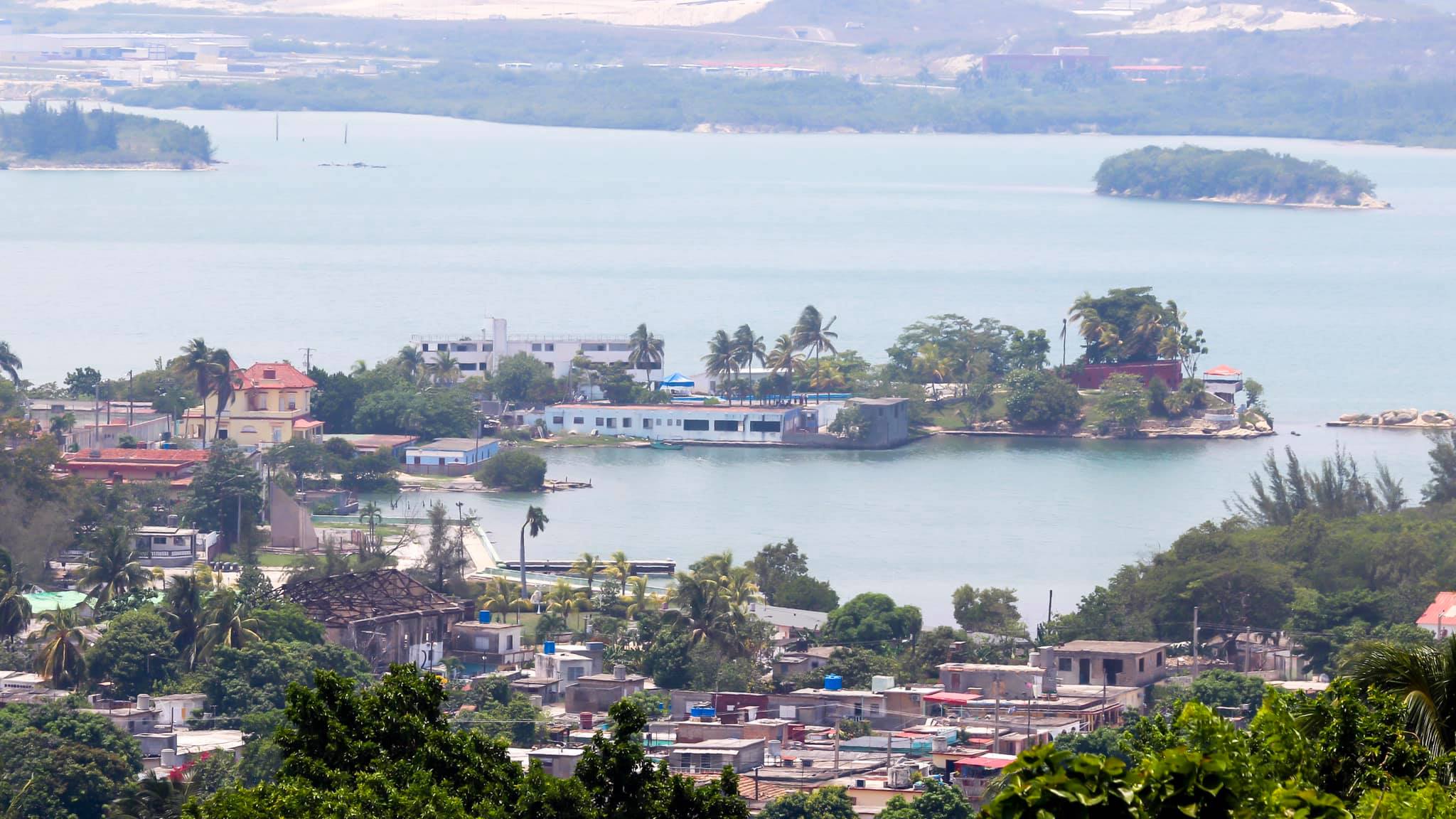
The Paradise of the North
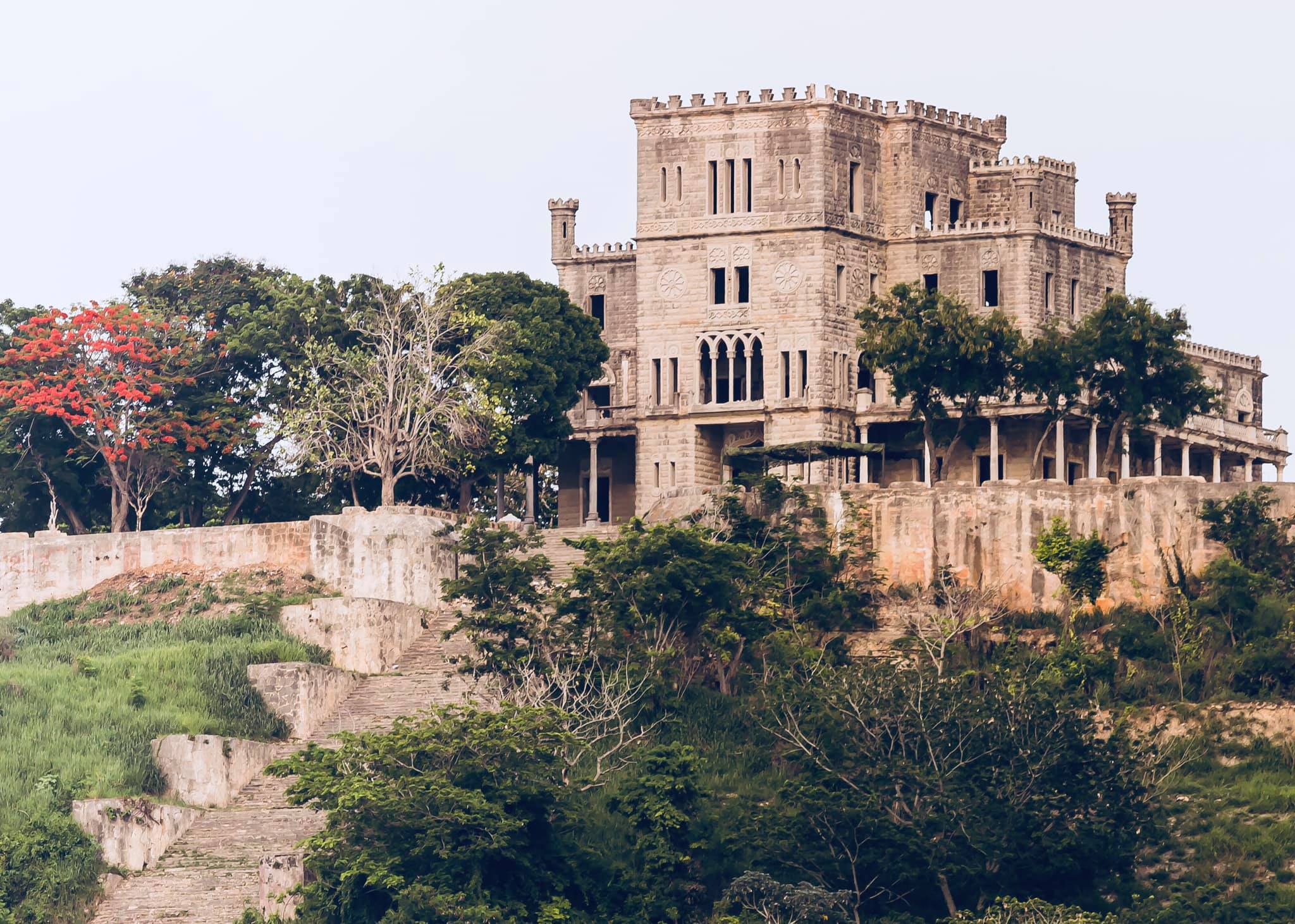
My grandmother spoke wonders about my hometown. She told stories worthy of those books that blend reality and fiction, revealing how our lives verge on the real and marvelous—or the magical realism that made Latin American writers so famous. Everything she narrated came with a sparkle in her eyes, wrapping each word, each sentence, in immense tenderness and longing.
No detail escaped her: those jukeboxes playing the latest hits in every bar, on every corner. She described how people saved their finest clothes for the Sunday promenade, how society gathered in the park adorned with the ever-present and popular bandstand—where the municipal band would meet regularly and fill the hours with music and joy. She recalled how young men and women circled the park’s edge, hoping for a fleeting encounter, a glance, and if lucky, a few words—a way of flirting in the past.
She remembered the boat that sailed across the bay, showing visitors the magnificent views Mariel had to offer. Almost in tears, she would tell us how wonderful the “Villa Marín” was—a small wooden village hotel, a vanished gem. She shared those stories while gazing at the only visual representation of the place: an oil painting that had always hung on her wall.