Driving in Agadir for First-Timers: Roundabouts, Police Checks, and Parking Reality
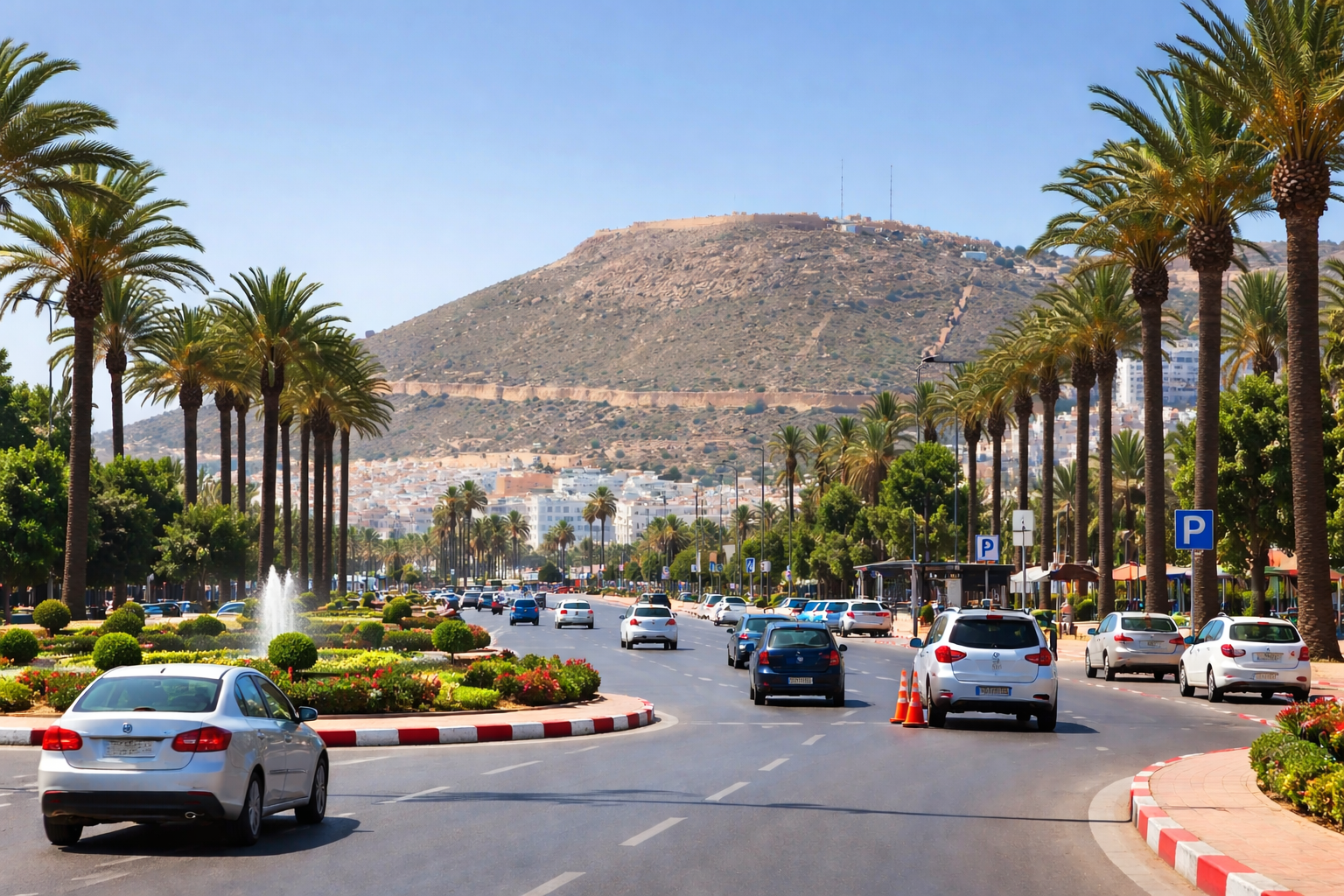
Agadir is one of the easiest Moroccan cities to drive in, which is exactly why first-time visitors sometimes get overconfident. The roads are wider than in many older cities, signage is usually clear, and the coastal layout feels intuitive. But the “easy” feeling can hide a few practical realities: roundabouts that require confident lane discipline, occasional police checks that are normal but unfamiliar to tourists, and parking habits that don’t always match what you’re used to at home.
This guide is built for first-timers driving in Agadir in 2026. You’ll learn how roundabouts actually flow, what police checks typically look like (and how to keep them stress-free), and how to park without wasting half your day circling. The goal isn’t to make you nervous; it’s to make your first drive feel predictable. If you’re also planning a marina day, it helps to know that driving and parking strategy matters most near popular waterfront areas. Many travelers combine a coastal drive with a harbor experience booked through MarHire, including the boats category and Agadir boats, especially if they’re considering an Agadir yacht outing where arriving on time matters.
1) Roundabouts in Agadir: what feels different for first-timers
Roundabouts are the heartbeat of Agadir traffic. If you’re coming from a place where traffic lights dominate, the first hour can feel like “everything is a circle.” The good news is that once you understand the rhythm, roundabouts actually reduce stress because you stop dealing with red-light grids and start flowing. The confusing part is lane choice. In Agadir, the safest habit is to choose your lane earlier than you think you need and avoid last-second weaving.
What first-timers often miss is that “who has priority” is not the only question. The bigger question is: “Can I be predictable?” Being predictable means signaling clearly, moving calmly, and accepting that taking the next exit is better than forcing your way across two lanes. If you miss your exit, take the next one. You’ll lose 60 seconds and save your nerves.
Watch for scooters and small motorcycles, especially near the roundabout edges. They can appear on the right side with little warning, and their movement is sometimes more flexible than car movement. The safest approach is not aggressive blocking; it’s slightly more following distance and smoother steering.
2) “Silent speeding” and why wide roads can trick you
Agadir’s wide boulevards can create a phenomenon many tourists experience: you feel like you’re going slowly because the road is open and smooth, but your speed creeps up. This is what causes accidental speeding. It’s not deliberate; it’s comfort. The solution is simple: check the speedometer more often than you normally would, especially when leaving roundabouts, where acceleration happens naturally.
Another reason speed creeps is the presence of long straight segments with fewer visual cues. The road feels like a highway even when it isn’t. If you’re driving a rental, remember that you might be in an unfamiliar vehicle with different pedal sensitivity. For the first day, keep your driving gentle. Comfort is not just about safety, it’s about avoiding unpleasant surprises like fines or stressful stops.
3) Police checks: what they usually look like (and what to do)
Police checks can sound intimidating if you’ve never encountered them while traveling. In Morocco, and in Agadir specifically, checks are often routine and focused on traffic compliance. They can appear on main roads, near city entrances, or at busy junctions. For tourists, the main rule is calm cooperation. Slow down early, follow directions, and keep your documents accessible without dramatic searching.
The easiest way to make checks stress-free is to have a simple “document routine.” Keep your driver’s license and passport/ID in a safe, reachable place, not buried in luggage. If you’re in a rental, keep your rental agreement accessible as well. Most interactions are quick. When travelers have problems, it’s usually because they are flustered or because documents are scattered.
The most important mindset is to treat checks as normal. A calm, respectful approach usually leads to a calm, respectful interaction. Avoid offering excuses, avoid arguing roadside, and focus on clarity. If you follow the rules and drive predictably, checks are rarely more than a brief pause.
4) Parking reality in Agadir: what’s easy and what’s annoying
Parking in Agadir is generally easier than in tighter historic cities, but it still has its “hot zones.” Near the beachfront, marina areas, and popular cafes, parking can tighten during late afternoons and weekends. The mistake first-timers make is arriving at the busiest time and expecting a perfect spot directly in front. The smarter strategy is to accept a short walk when the area is busy and to avoid turning parking into a competition.
You’ll also notice that some parking areas are “informally managed” by local attendants. This is common in many Moroccan cities. The practical approach is to park only where it looks clearly intended for parking, avoid blocking gates or narrow lanes, and keep your car locked with valuables out of sight. This isn’t unique to Agadir; it’s a basic travel habit that prevents small problems.
If you’re planning a marina or harbor activity, arriving early helps. For example, if your day includes the waterfront and you’re considering a boat experience, planning your parking and arrival time makes the outing smoother. Many visitors browse Agadir boats and then build a simple driving plan around the schedule so they’re not looking for parking at the last minute.
5) Where first-timers waste time: navigation and “last 500 meters” stress
The biggest stress for new drivers is rarely the main roads, it’s the last 500 meters. You’re close to your destination, but the street looks different than your map, the entrance is slightly hidden, or traffic funnels you into a lane you didn’t expect. This is common near hotels, coastal promenades, and busy junctions. The fix is to slow down earlier and accept that you might need to loop once to approach from the correct direction.
If you’re using phone navigation, set it before you start driving. Don’t try to type while moving, and don’t rely on last-second instructions. If someone is traveling with you, ask them to manage navigation so you can focus on lane discipline. That simple division of tasks makes the first day far easier.
If you know you’re heading somewhere popular, like the marina area, plan to arrive slightly earlier than your “ideal” time. That buffer turns the last 500 meters from stressful to manageable.
6) First-timer driving habits that keep the day calm
The best driving habits in Agadir are boring, and that’s a compliment. Keep speed steady. Signal early. Avoid aggressive lane changes. Let faster drivers pass without reacting. In roundabouts, choose your lane early and take the next exit if you’re unsure. In parking zones, accept that a short walk can be the smartest move. These habits reduce stress more than any “hack.”
Another calm habit is building a simple fuel and time rhythm. Don’t wait until you’re low to fuel up, especially if you’re heading out of the city for a coastal drive. Don’t schedule too many stops back-to-back on your first day. Your brain is already adapting to a new traffic style. Give yourself space to enjoy the city rather than rushing between checklists.
Quick answers
Are roundabouts difficult in Agadir? They feel unfamiliar at first, but they become easy when you choose your lane early and stay predictable. What happens at police checks? They are usually routine; keep your documents accessible, stay calm, and follow instructions. Is parking easy? Generally yes, but beachfront and marina areas can be busy at peak times, so arrive early or accept a short walk.
Agadir is a great city for first-time drivers in Morocco because roads are wide and the layout is easy to learn. Once you understand the rhythm of roundabouts, treat police checks as normal, and approach parking with a calm strategy, driving becomes one of the easiest ways to enjoy the coast. If your trip includes a waterfront day, you can plan around it by browsing boats and local options like Agadir yacht experiences, then using a simple arrival buffer so parking doesn’t steal your time.