One Dish, Three Borders: How Empanadas Changed Shape Every Time They Crossed a Country Line
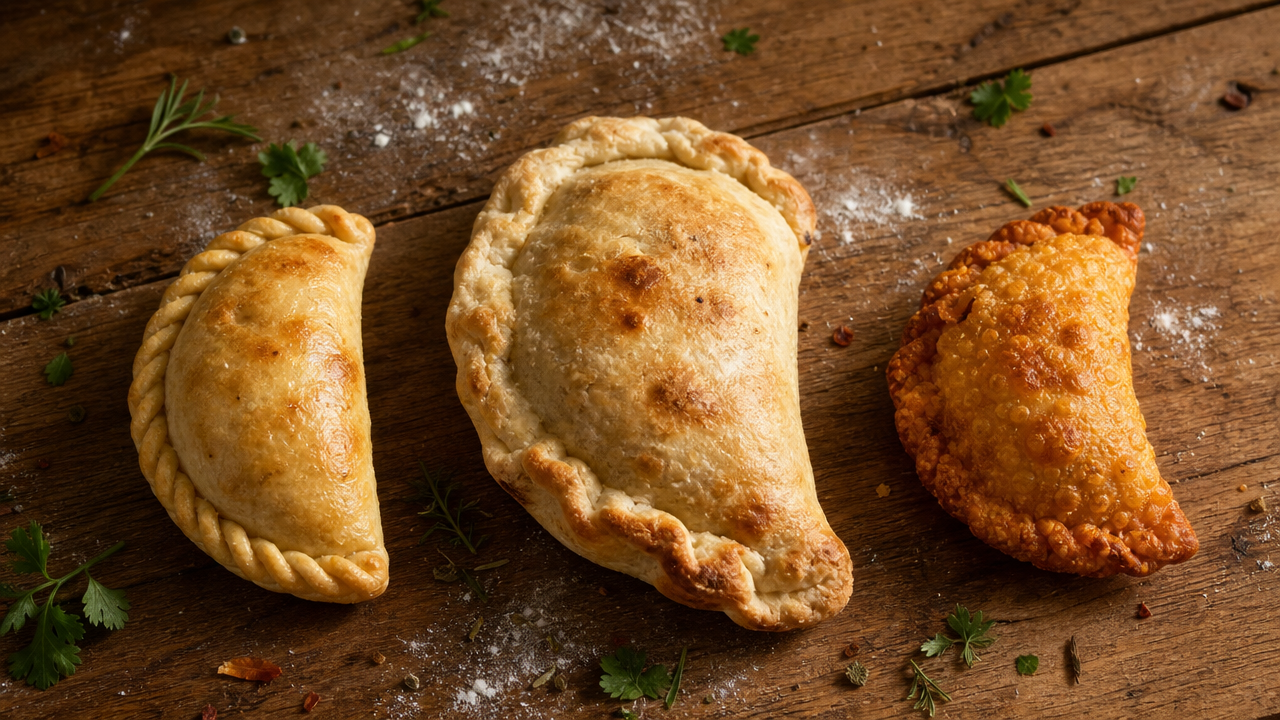
Same idea, three countries, three completely different personalities — one dish taught me more about culture than any museum did.
I didn't plan this comparison on purpose, honestly. It just kept happening. I'd land somewhere new in South America, order what I thought was a familiar snack, and get handed something that barely resembled the last one. Same word on the menu. Completely different food showing up on the plate.
By the third country, I started taking notes. This is basically that notebook, cleaned up.
Argentina: The One That Started It
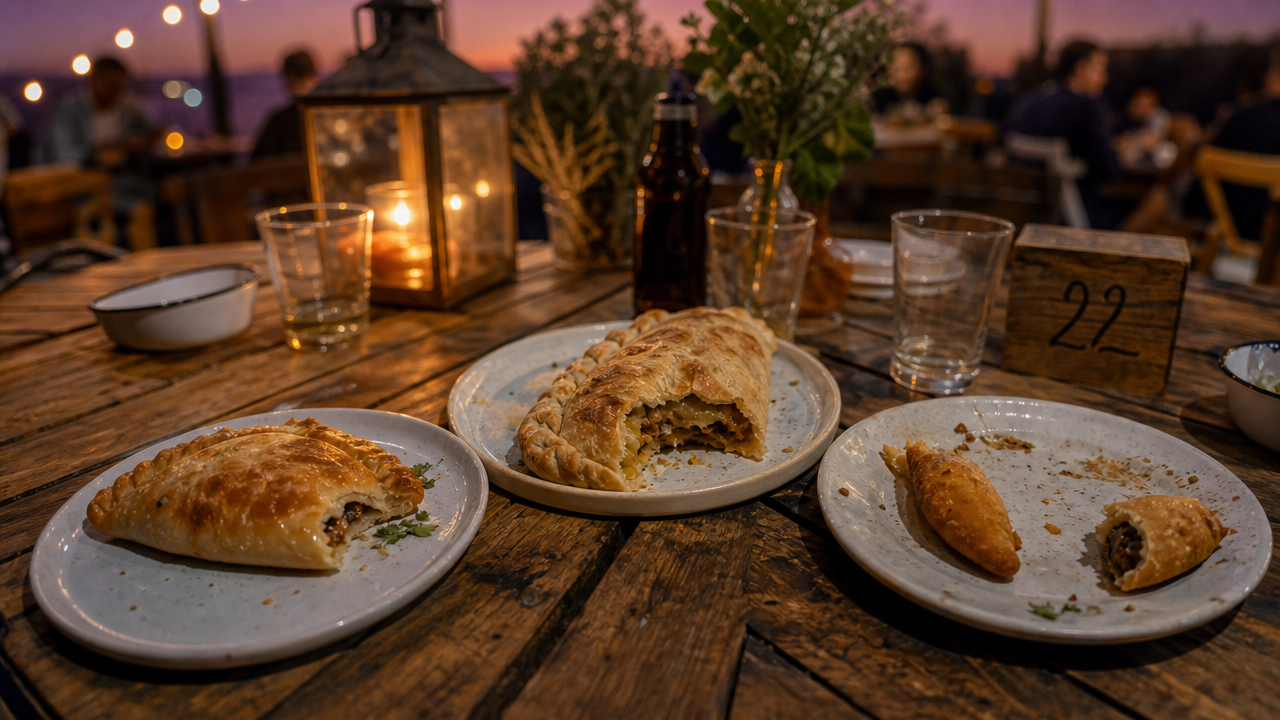
I had my first empanada in Buenos Aires without really thinking about it — it was just the fast, cheap thing to grab between bus rides. Small, baked, crimped along the edge in this neat little rope pattern that I later learned actually tells you what's inside before you even bite in.
The Argentine version, at least the one I kept running into:
- Baked, not fried
- Beef, onion, and usually a green olive tucked inside (pit still in, which caught me off guard the first time)
- A hard-boiled egg slice in some regional versions
- Small enough that two or three make a real meal
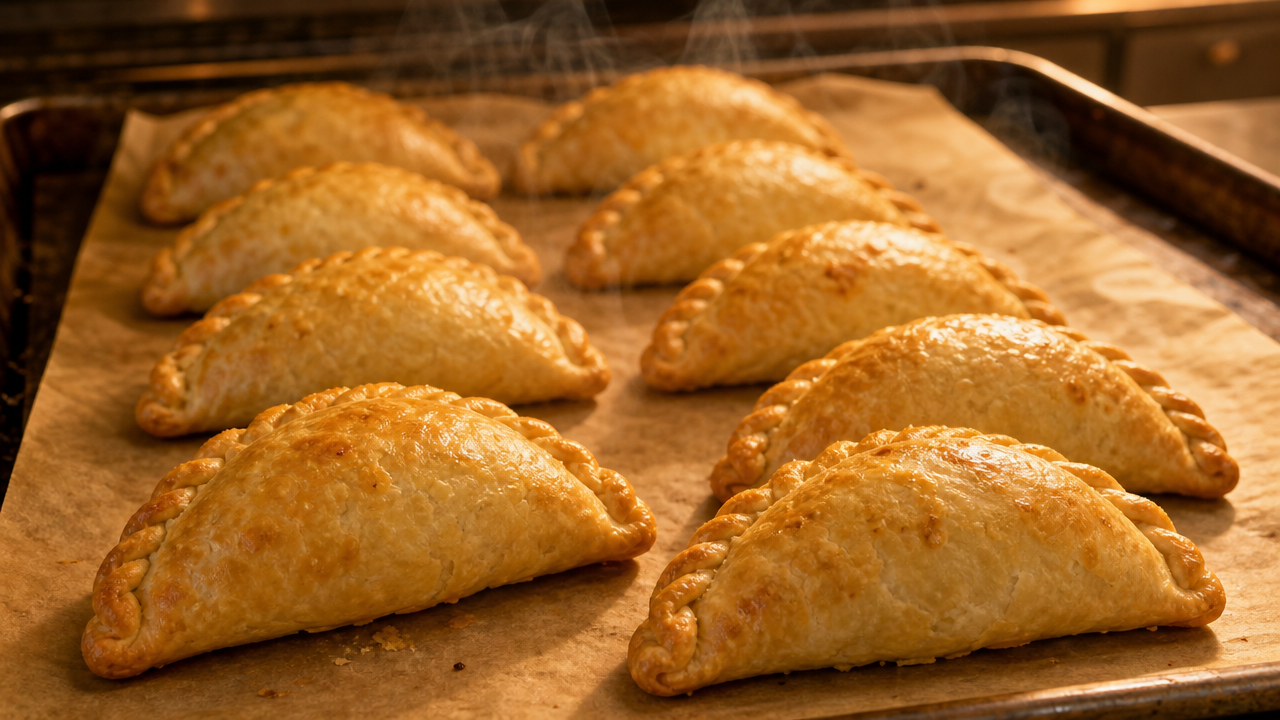
It felt tidy. Almost formal, in a weird way, for street food. Like there was a "correct" way to make one and everybody was quietly competing to nail it.
Chile: The One That Surprised Me
I crossed into Chile a few weeks later expecting basically the same thing with a different accent. I was wrong immediately.
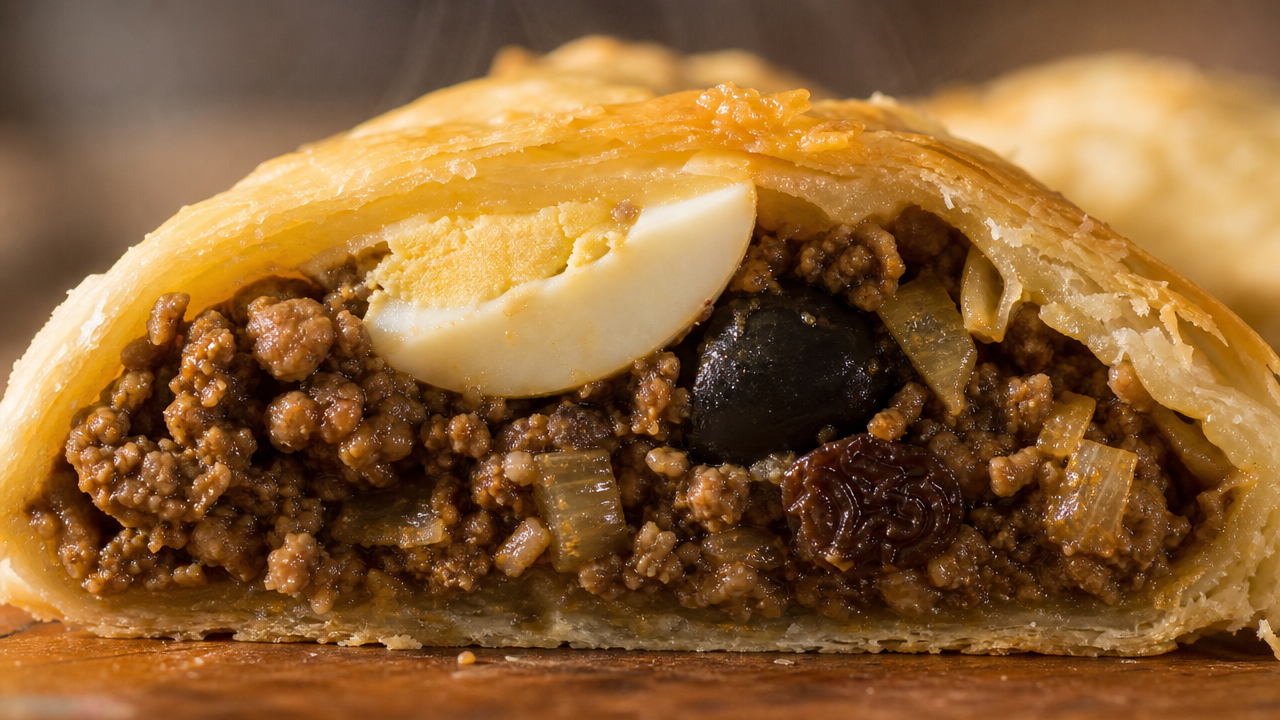
The Chilean empanada de pino showed up and it was huge compared to what I'd had in Argentina — closer to the size of my hand than a snack you'd eat three of. Inside was a whole different world: ground beef, onions cooked down until they were almost sweet, a piece of hard-boiled egg, a black olive, and — this got me — a raisin.
A raisin. In a savory hand pie. I remember just sitting there for a second before taking the next bite, trying to decide if I liked it.
I did. That's the annoying part.
What That Raisin Actually Told Me
I didn't think much of it until a woman running the stall explained, almost like it was obvious, that the sweetness was supposed to balance the richness of the beef and onion. It wasn't a mistake or a regional quirk to laugh at — it was intentional, considered, the point.
That one raisin honestly did more to teach me about Chilean home cooking than any guidebook paragraph could have.
Colombia: The One That Broke My Whole Mental Model
By the time I got to Colombia, I thought I had this figured out. Baked pastry, hand-sized, some kind of savory filling — I had a template in my head.
Colombia threw the template out entirely.
The empanadas there are:
- Fried, not baked — completely different texture, crisp and golden instead of flaky
- Made with a corn-based dough, not wheat — so the whole base flavor is different before you even get to the filling
- Smaller and more snack-sized, often eaten standing up at a stall with a squeeze of lime and a spicy sauce on top
- Filled with potato and meat together, rather than the beef-forward fillings I'd had further south
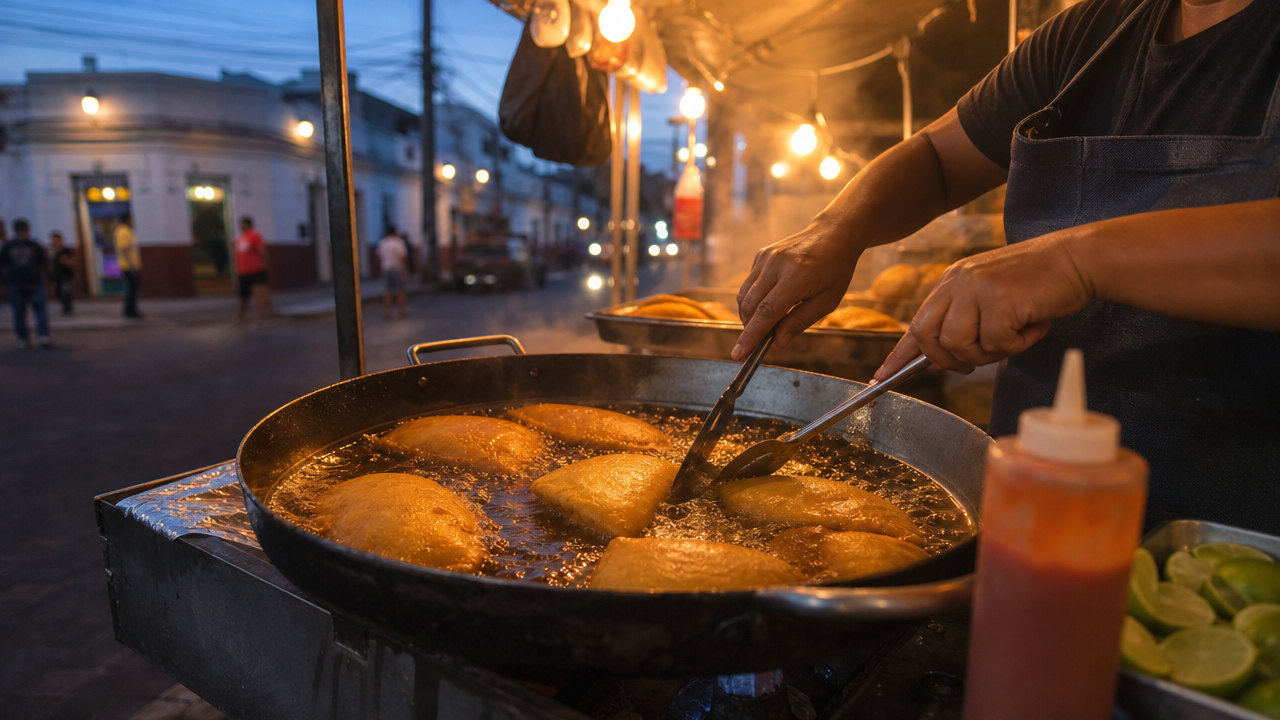
I ate one standing on a street corner, lime dripping down my hand, and genuinely laughed out loud. Same name. Same rough concept. A completely different dish wearing the same word like a disguise.
What This Actually Taught Me
I went in thinking I was comparing recipes. What I actually ended up learning was something closer to how geography and history shape what people consider "normal" food — corn versus wheat availability, Spanish colonial influence layered differently in each place, even something as small as whether raisins were common or rare locally.
None of that shows up on a menu. You only get it by eating your way through the differences and asking annoying questions to whoever's willing to answer them.
I'd love to know what you think:
- Which version in this post would you try first?
- What's a dish you've seen "reinvented" in a different country?
- What food family should I trace next — noodles? stews? flatbreads?
If you enjoyed tracing this one with me, an upvote and a resteem genuinely help this reach people who'd never stumble onto it otherwise. Thanks for reading this far — it means a lot.