Transaction fees and gas fees
Assalamu Alaikum
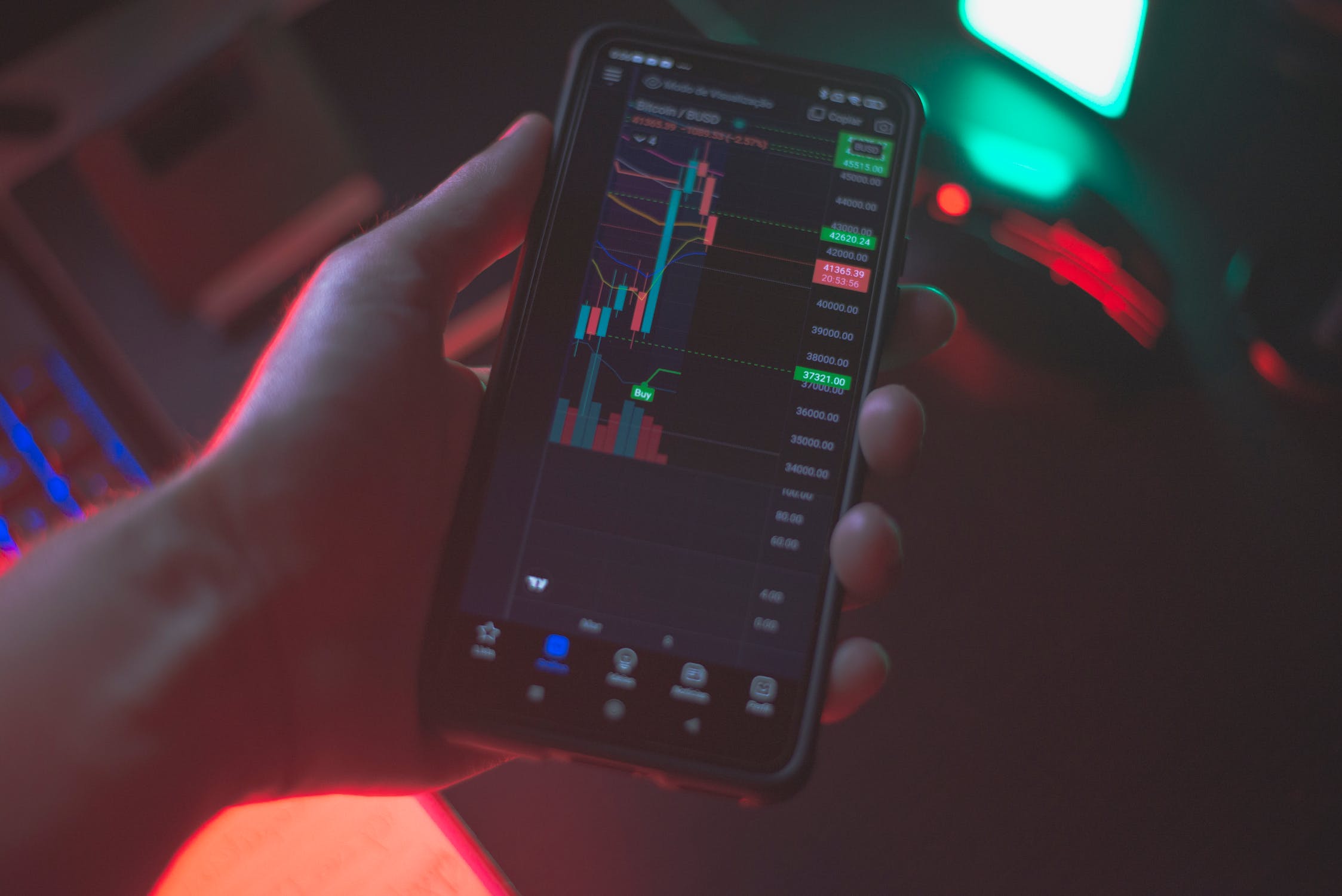
To make any kind of transaction or execute any smart contract on the blockchain network, the user has to pay a certain amount of fee or charge. In the world of cryptocurrency, this charge or cost is mainly known as 'transaction fee' and 'gas fee'. This fee is very necessary to keep the decentralized network of the blockchain running, prevent spam or fake transactions, and ensure the remuneration of the miners or validators.
A transaction fee is the common cost of sending cryptocurrency or coins from one wallet to another in any blockchain network. For example, when you send someone Bitcoin or Litecoin, the miners of the network verify that transaction and permanently write it on the blockchain ledger. The fee they have to pay in exchange for this work is the transaction fee. The amount of this fee usually does not depend on the amount of funds in the transaction, but rather on the size of the transaction data (Data Size) and how much congestion or congestion there is in the network at that moment. If the network is jammed, users willingly pay a higher transaction fee to complete the transaction faster.
Gas fee is an advanced and specialized form of transaction fee, which is mainly used in Ethereum and its related smart contract-based blockchain networks. Just as fuel or gas is needed to drive a car, the computing power required to run any code, execute a smart contract, or use a decentralized app (dApp) on the Ethereum network is measured by 'gas'. And the money or Ether (ETH) that has to be paid for this gas is the gas fee. Gas fees are calculated in 'Gwei' (giga-wei), which is a very small unit of ether. In Ethereum, a complex smart contract (such as NFT buy-sell or holding funds in a liquidity pool) requires much more gas to complete than a simple transaction, so gas fees are also much higher.
These fees on the blockchain are not fixed or fixed fees, but change completely in real-time based on market demand and supply. The capacity to hold transactions in a block is limited. So when thousands of people want to make transactions at the same time, the network becomes jammed. Miners or validators naturally choose those transactions that have paid higher fees first. As a result, transaction fees and gas fees skyrocket in the competition to complete the work quickly during busy times.
In short, transaction fees and gas fees are the oxygen of the blockchain ecosystem. Without the economic incentive of these fees, miners around the world would not keep their expensive computers or nodes running, which would compromise the security of the blockchain. Although paying additional gas fees or transaction fees is sometimes a pain for ordinary users, there is no alternative to this fee system to ensure the stability, security, and protection of the network from spam attacks. Today's discussion concludes here. I hope you've found it interesting. Please share your thoughts on today's topic. Prayers for everyone. May everyone be well. Amen.

https://x.com/i/status/2060172421530107919
https://x.com/i/status/2059933956896862567
https://x.com/i/status/2060172277061402675
Twitter