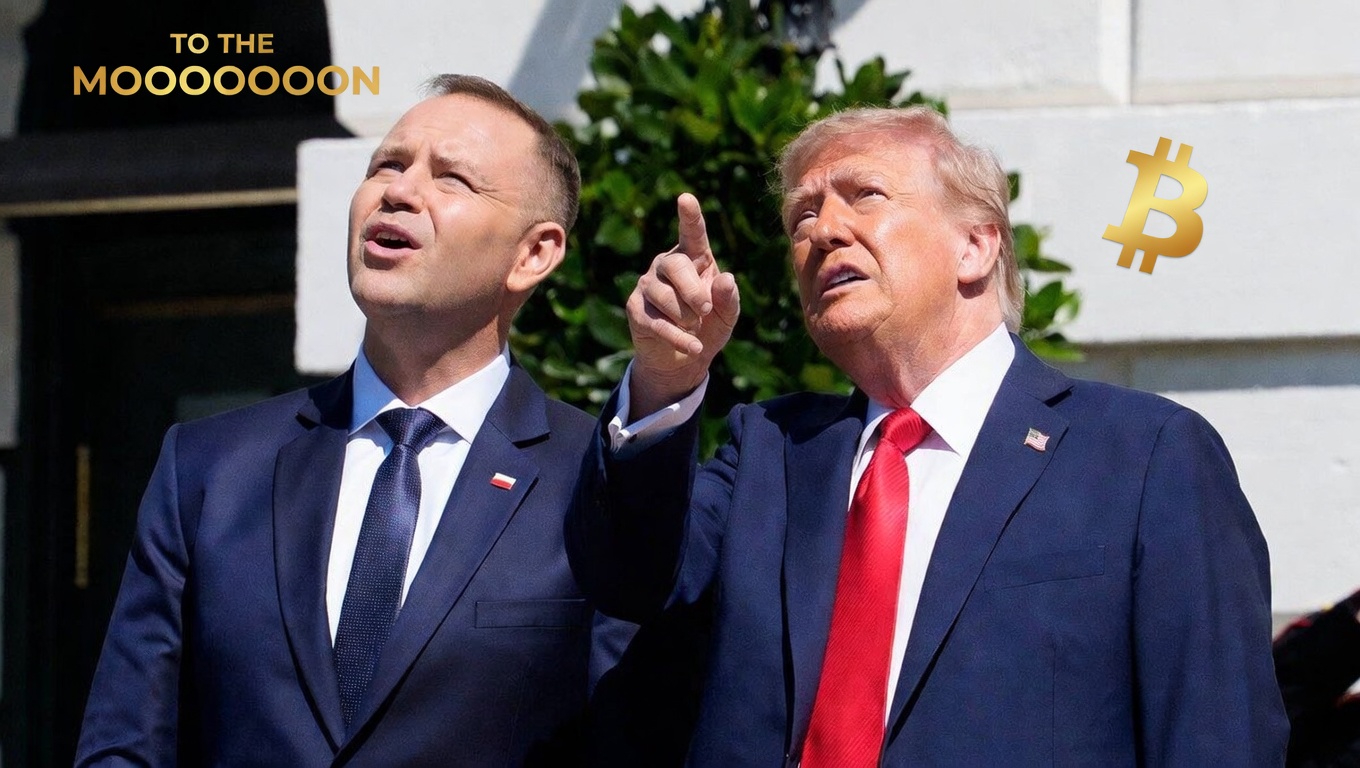
Analysis of the Polish Government's Knowledge Level on Cryptocurrencies and Plans for Restrictions
As an experienced cryptocurrency advisor in Poland, based on the analysis of the parliamentary debate video and current data from March 2026, I have prepared an assessment of the government's knowledge level. The video shows fragments of parliamentary discussions where politicians demonstrate significant gaps in understanding blockchain technology and cryptocurrencies. I supplement this with information from recent reports and industry discussions, highlighting gaps in knowledge, misconceptions, and regulatory plans following President Karol Nawrocki's double veto. The analysis takes into account the context of the EU MiCA regulation, which requires implementation by July 1, 2026, threatening paralysis of the Polish market.
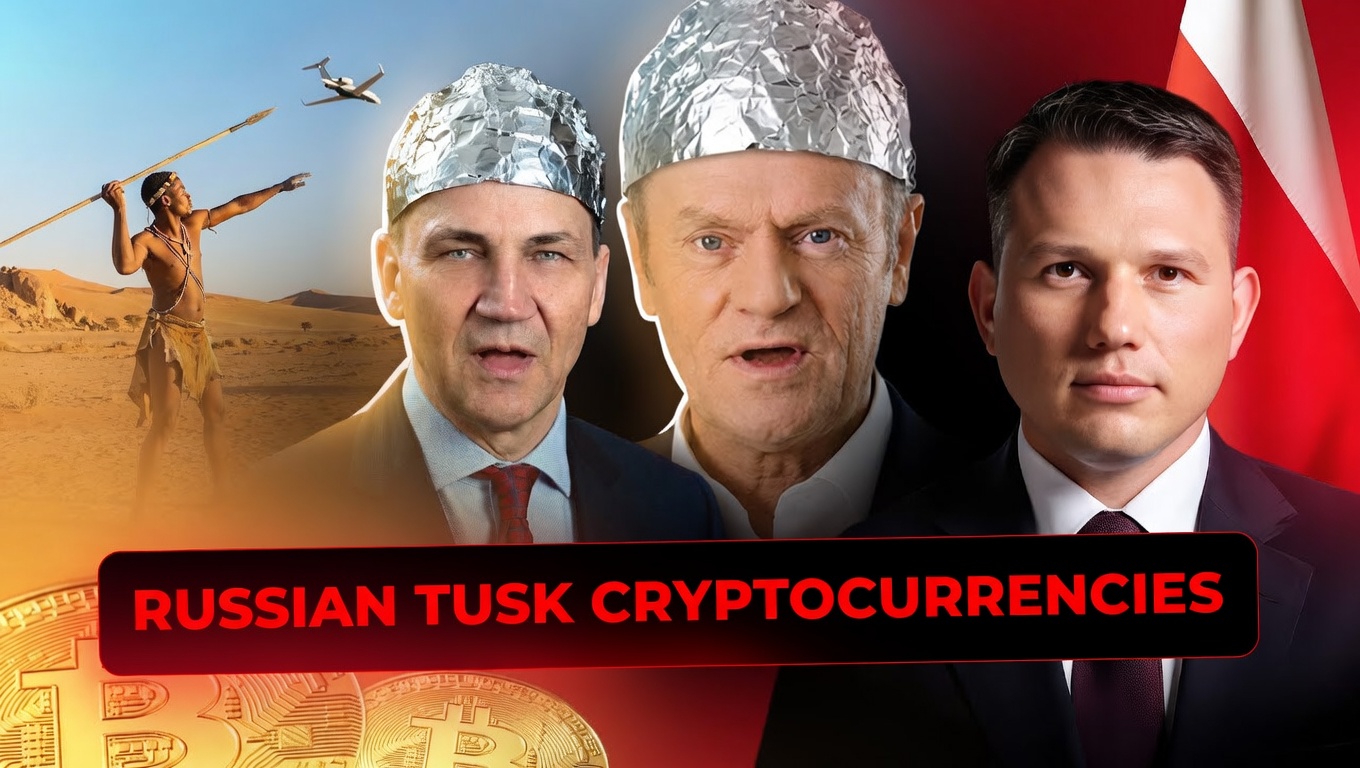
Government Knowledge Level: Low and Based on Stereotypes
Based on the video, politicians from the ruling coalition (e.g., MP Bogucki) demonstrate superficial knowledge, limited to repeating NBP warnings about investment risks. They describe cryptocurrencies as "virtual currency, pseudo-currency, or quasi-currency," indicating a lack of understanding of their role as decentralized digital assets based on blockchain. They talk about a "computer algorithm" without known creators, ignoring the public source code of Bitcoin and Satoshi Nakamoto's contribution. The debate highlights a lack of consultation with experts – politicians read from notes, which commentators describe as ignorance.
Current data from 2026 confirms this picture. The government manipulates fear, comparing crypto to SKOKs, which is pure manipulation, ignoring the decentralized nature of blockchain. Deputy Prime Minister Gawkowski in interviews emphasizes a "protective umbrella" over the market, but without understanding that regulations should support innovation, not block it. The lack of competence is evident in the delays in implementing MiCA – Poland has not yet designated a supervisory authority, which threatens loss of control over a market worth billions.
Potential Gaps in Knowledge and Misconceptions
The government shows numerous knowledge gaps, leading to misconceptions:
Transaction Anonymity: In the video, politicians claim that "anonymous wallets" prevent tracking, which is false – blockchain is public and transactions can be traced (e.g., by companies like Chainalysis). This misconception reinforces the narrative of crypto as a criminal tool.
Impact of National Law on Global Market: The suggestion that the Polish veto caused a 50% drop in cryptocurrency values is absurd – prices depend on global factors, not local vetoes. The government ignores that blockchain is decentralized and cannot be "blocked" by law.
Crypto as Only Risk: Politicians focus on fraud and money laundering, ignoring applications like payments or NFTs. They mistakenly call stablecoins "stabletkojns," showing a lack of terminology knowledge. In reports, the government manipulates, claiming that lack of regulation favors "drug dealers and Russian services," without empirical data.
Overregulation as Protection: The government believes that strict controls (e.g., blocking websites by KNF) protect investors, but the industry sees this as a barrier to innovation, which could push companies abroad.

These errors stem from a lack of education – the government does not consult experts, relying on stereotypes.
To illustrate misconceptions, I include memes and graphics:
Another graphic on myths:
And an illustration with humor:
Government Plans: Restrictions After Double Veto and Threat of Market Paralysis
After President Nawrocki's second veto (February 2026), the government announces new regulations but insists on a restrictive approach. The vetoed bill was to implement MiCA, giving KNF broad powers: supervision over CASP companies, blocking websites, suspending public crypto asset offers, financial penalties, and transaction transparency requirements (including Travel Rule for transfers over 1000 euros). The goal was to combat money laundering and protect 3 million investors, but critics point to overregulation that could block industry development.
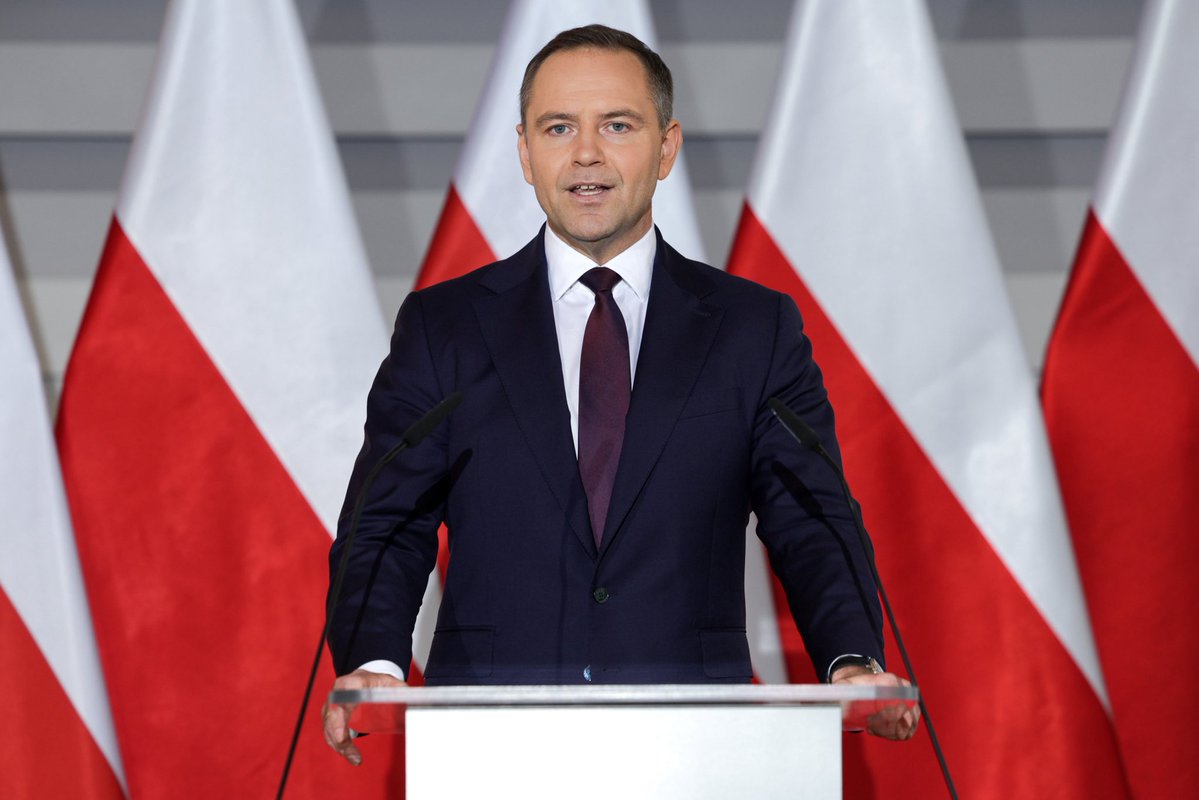
In summary, the government's knowledge level is low, full of stereotypes and errors, which hinders rational regulations. Restriction plans after the veto threaten market paralysis from July 2026, unless a compromise is reached. I recommend monitoring MiCA and diversifying investments – if needed, contact for individual advice.
Nawrocki, unlike Tusk, cares and fights for his citizens and is one of the few who possesses knowledge and knows what's involved.
The rest of Tusk's government, discredited, is spouting untrue stories, and under the guise of Russian sabotage and a servile attitude toward the EU, Tusk's coalition propaganda is relentless.