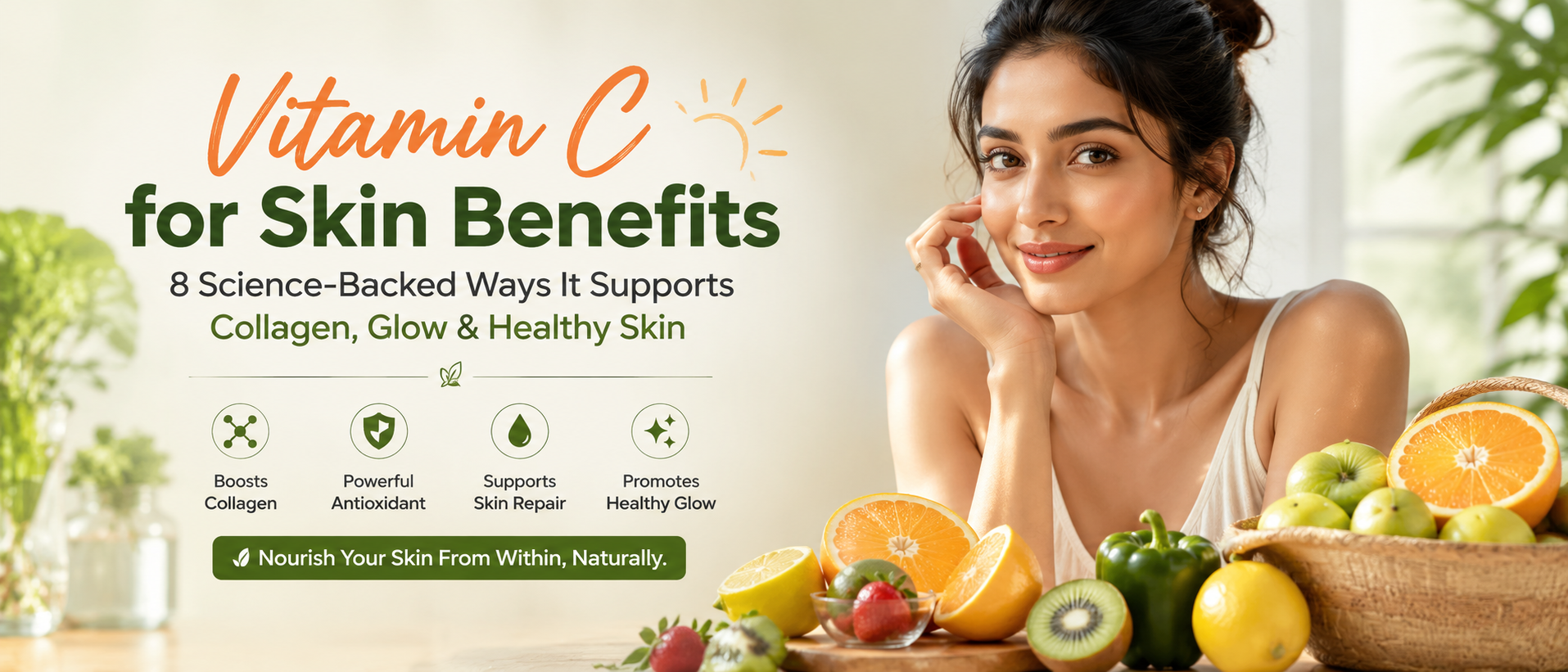
Vitamin C for Skin Benefits: 8 Science-Backed Reasons
Introduction
Healthy skin is influenced by more than just a good skincare routine. While cleansers, moisturizers, and sunscreens all play important roles, nutrition is equally essential in supporting the skin from within. Among the many nutrients involved in skin health, vitamin C stands out because of its role in collagen production, antioxidant protection, and overall skin maintenance.
Vitamin C, also known as ascorbic acid, is a water-soluble vitamin that the human body cannot produce or store in significant amounts. This means it must be obtained regularly through a balanced diet or, when appropriate, dietary supplements. Beyond its well-known role in supporting immune function, vitamin C contributes to several biological processes that are directly linked to maintaining healthy skin.
Research suggests that adequate vitamin C intake helps support the body's natural collagen synthesis, protects skin cells from oxidative stress caused by free radicals, and contributes to normal wound healing. These functions make vitamin C an important part of an overall healthy lifestyle, particularly for individuals looking to maintain resilient, youthful-looking skin as they age.
Environmental factors such as pollution, ultraviolet (UV) radiation, smoking, and chronic stress can increase oxidative stress within the body. Over time, this oxidative stress may contribute to visible signs of skin aging, including fine lines, uneven skin tone, and reduced elasticity. Although no single nutrient can prevent these changes entirely, ensuring adequate vitamin C intake may help support the body's natural defense mechanisms.
If you're interested in exploring this topic in greater depth, this comprehensive guide on Vitamin C for Skin Benefits provides additional information about how vitamin C supports healthy skin as part of a balanced diet.
Why Skin Needs Vitamin C Every Day
Skin is the body's largest organ and serves as the first line of defense against the external environment. Every day, it is exposed to sunlight, pollution, changing weather conditions, and other environmental stressors that can affect its structure and function. Maintaining healthy skin requires a combination of proper skincare habits, sun protection, hydration, sufficient sleep, and good nutrition.
Vitamin C plays several important roles that help support normal skin function.
- Supports Normal Collagen Formation
Collagen is the most abundant structural protein in the skin. It provides strength, firmness, and elasticity, helping skin maintain its structure over time.
Vitamin C is an essential cofactor for enzymes involved in collagen synthesis. Without sufficient vitamin C, the body cannot efficiently produce stable collagen fibers. This is one reason why severe vitamin C deficiency can lead to impaired wound healing and fragile skin.
While collagen production naturally slows with age, maintaining adequate vitamin C intake supports the body's normal collagen-forming processes throughout adulthood.
- Acts as an Antioxidant
Every day, skin cells encounter free radicals generated from:
UV radiation
Air pollution
Cigarette smoke
Poor lifestyle habits
Normal metabolism
Free radicals are unstable molecules that may damage cells through oxidative stress. Antioxidants help neutralize these molecules before they can contribute to cellular damage.
Vitamin C is one of the body's primary water-soluble antioxidants. By helping reduce oxidative stress, it supports the protection of skin cells as part of the body's natural defense system.
It's important to note that antioxidants work together with other healthy lifestyle practices, such as wearing sunscreen, eating a balanced diet, and avoiding excessive sun exposure.
- Contributes to Healthy Skin Barrier Function
The skin barrier helps prevent excessive water loss while protecting the body from environmental irritants, allergens, and microorganisms.
Healthy collagen production and adequate antioxidant protection contribute to maintaining the structural integrity of this barrier. Although many nutrients are involved in skin health, vitamin C is one component of the broader nutritional picture that supports normal skin function.
- Supports Normal Wound Healing
Healing after minor cuts, abrasions, or skin injuries involves a complex sequence of biological events, including collagen formation and tissue repair.
Vitamin C contributes to normal wound healing by supporting collagen synthesis. This is one reason healthcare professionals monitor vitamin C intake in individuals recovering from surgery or certain medical conditions where nutritional status may influence recovery.
However, vitamin C should not be viewed as a standalone treatment for wounds or skin disorders. Appropriate medical care remains essential for significant injuries or persistent skin conditions.
- Helps Maintain Healthy Connective Tissue
Skin does not function in isolation. Connective tissues throughout the body—including blood vessels, cartilage, tendons, and ligaments—also rely on collagen.
Vitamin C supports the normal formation of connective tissue, contributing to overall structural health. Healthy circulation and connective tissue integrity indirectly support the delivery of oxygen and nutrients to skin cells.
- Daily Intake Matters
Unlike fat-soluble vitamins, vitamin C is not stored in large quantities within the body. Excess amounts are generally excreted in urine, making consistent dietary intake important.
Many people can meet their vitamin C needs by regularly consuming fruits and vegetables such as:
Oranges
Guava
Amla (Indian gooseberry)
Kiwi
Strawberries
Bell peppers
Tomatoes
Broccoli
In situations where dietary intake may be inadequate, a healthcare professional may recommend supplementation based on individual nutritional needs.
Vitamin C and Skin Health: A Whole-Body Perspective
It's easy to think of skin health only in terms of creams and serums, but healthy skin reflects overall health. Adequate sleep, stress management, hydration, physical activity, sun protection, and balanced nutrition all contribute to maintaining healthy-looking skin.
Vitamin C should therefore be viewed as one piece of a comprehensive approach rather than a quick fix. Scientific evidence supports its role in collagen production, antioxidant defense, and normal skin function, but its benefits are best realized alongside other healthy habits.
8 Evidence-Based Benefits of Vitamin C for Skin
- Supports Healthy Collagen Production
Collagen is often described as the skin's structural framework. It accounts for a significant proportion of the skin's protein content and provides firmness, elasticity, and strength.
As people age, natural collagen production gradually declines. External factors such as prolonged sun exposure, smoking, pollution, and poor nutrition may further accelerate this process.
Vitamin C plays a central role in collagen synthesis by acting as a cofactor for enzymes responsible for stabilizing newly formed collagen fibers. Without sufficient vitamin C, collagen cannot develop properly, affecting the body's ability to maintain healthy connective tissue.
Although increasing vitamin C intake cannot stop the natural aging process, maintaining adequate levels helps support the body's ongoing collagen production. This makes vitamin C an important nutrient for preserving normal skin structure throughout life.
In addition to dietary sources, healthcare professionals may recommend supplementation for individuals whose nutritional intake is insufficient. However, supplementation should complement—not replace—a balanced diet rich in fruits and vegetables.
- Helps Protect Skin Against Oxidative Stress
Every day, the skin encounters environmental stressors that generate free radicals. These unstable molecules can contribute to oxidative stress, a process associated with normal aging and cellular damage.
Common sources include:
Ultraviolet (UV) radiation
Air pollution
Tobacco smoke
Environmental toxins
Normal metabolic activity
Vitamin C functions as a powerful antioxidant by helping neutralize free radicals before they can affect healthy cells.
Antioxidants do not eliminate all oxidative damage, nor can they replace protective measures such as sunscreen or protective clothing. Instead, they work as part of the body's broader defense system.
Maintaining adequate vitamin C intake supports this natural antioxidant network and contributes to protecting skin cells from everyday environmental challenges.
By supporting antioxidant defenses from within, vitamin C complements other healthy lifestyle habits that promote long-term skin health.
- Supports a Brighter, More Even-Looking Complexion
Uneven skin tone is a common cosmetic concern influenced by factors such as sun exposure, post-inflammatory pigmentation, hormonal changes, aging, and genetics.
Vitamin C has been widely studied for its role in supporting healthy skin appearance. Research suggests it may help support normal melanin regulation, contributing to a brighter and more even-looking complexion over time.
It's important to distinguish between supporting healthy pigmentation and treating medical skin conditions. Vitamin C is not a treatment for disorders such as melasma or other forms of hyperpigmentation, which should be evaluated by a qualified healthcare professional.
For individuals with healthy skin, maintaining adequate vitamin C intake as part of a nutritious diet may contribute to overall skin radiance when combined with sun protection and consistent skincare practices.
- Helps Support Skin Barrier Function
The skin barrier is the body's first line of defense against the outside world. It helps retain moisture while protecting against environmental irritants, allergens, microorganisms, and pollutants.
When the skin barrier is functioning well, it is better able to:
Retain hydration
Reduce excessive water loss
Protect underlying tissues
Support overall skin comfort
Maintain resilience against everyday environmental stressors
Several nutrients contribute to healthy skin barrier function, including essential fatty acids, vitamin A, vitamin D, zinc, and vitamin C.
Vitamin C supports the structural proteins that help maintain healthy skin. Its role in collagen formation and antioxidant defense indirectly contributes to the integrity of the skin barrier.
However, skin barrier health depends on multiple lifestyle factors. Consistent use of sunscreen, gentle skincare products, adequate hydration, quality sleep, and a nutrient-rich diet all work together to support healthy skin.
- Supports Healthy Wound Healing
Minor cuts, scrapes, and abrasions trigger a highly coordinated healing process within the body. This process includes inflammation, new tissue formation, collagen production, and remodeling.
Vitamin C contributes to normal wound healing because collagen is an essential component of newly formed tissue.
Healthcare professionals have long recognized the importance of adequate vitamin C intake during recovery from surgery, injuries, and illnesses that may increase nutritional requirements.
While vitamin C supports normal healing, it is not a substitute for appropriate wound care or medical treatment. Persistent wounds, infections, burns, or serious injuries require evaluation by a healthcare provider.
Maintaining sufficient vitamin C intake through a balanced diet helps ensure the body has the nutrients needed to support its natural healing processes.
- Helps Maintain Skin Elasticity as You Age
Skin naturally changes over time. Beginning in early adulthood, collagen and elastin production gradually decline, contributing to visible signs of aging such as:
Fine lines
Wrinkles
Reduced firmness
Loss of elasticity
Thinner skin
These changes are a normal part of aging and are influenced by genetics, lifestyle, sun exposure, smoking, nutrition, and environmental factors.
Because vitamin C supports collagen synthesis, maintaining adequate intake may help support the skin's normal structural integrity throughout adulthood.
It is important to have realistic expectations. Vitamin C is not a "fountain of youth," nor can it reverse established wrinkles. Instead, it supports the biological processes that help maintain healthy connective tissue.
When combined with healthy lifestyle habits—including sun protection, regular physical activity, balanced nutrition, and sufficient sleep—adequate vitamin C intake contributes to overall skin wellness.
- Helps Support Healthy Skin Pigmentation
Skin color is determined by melanin, a pigment produced by specialized cells called melanocytes.
Melanin plays an important protective role by helping shield the skin from ultraviolet (UV) radiation. However, factors such as excessive sun exposure, acne, inflammation, hormonal changes, and aging can contribute to uneven pigmentation.
Research suggests vitamin C may influence pathways involved in melanin production, supporting a more even-looking complexion in healthy skin.
This does not mean vitamin C is a treatment for pigmentation disorders. Medical conditions such as melasma, vitiligo, or significant hyperpigmentation require professional diagnosis and treatment.
For healthy individuals, maintaining adequate vitamin C intake as part of a balanced diet supports overall skin health, which may contribute to a brighter appearance over time.
Daily sun protection remains one of the most effective ways to reduce UV-related pigmentation and should always accompany any nutritional approach to skin health.
- Supports Overall Skin Health from Within
Rather than focusing on one specific outcome, vitamin C contributes to several interconnected processes that collectively support healthy skin.
These include:
Normal collagen formation
Antioxidant protection
Healthy connective tissue
Normal wound healing
Skin barrier integrity
Cellular protection against oxidative stress
Skin health is influenced by many factors working together. Genetics, age, hormones, diet, hydration, sleep quality, stress levels, and environmental exposures all play significant roles.
No single nutrient can compensate for poor lifestyle habits. Instead, vitamin C works as part of an overall pattern of healthy behaviors.
Eating a colorful diet rich in fruits and vegetables, staying physically active, managing stress, protecting skin from excessive UV exposure, and avoiding smoking all contribute to healthier skin over time.
Food Sources vs. Supplements
One of the most common questions people ask is whether they should obtain vitamin C exclusively from food or consider a dietary supplement.
The answer depends on an individual's nutritional intake, lifestyle, and health needs.
Vitamin C-Rich Foods
Many everyday foods provide substantial amounts of vitamin C.
Some excellent sources include:
Food Approximate Vitamin C Content*
Amla (Indian gooseberry) Very high
Guava Very high
Kiwi High
Oranges Moderate to high
Sweet lime (Mosambi) Moderate
Strawberries Moderate
Bell peppers High
Broccoli Moderate
Tomatoes Moderate
Papaya Moderate
*Values vary depending on variety, freshness, and preparation.
A balanced diet that includes a variety of fruits and vegetables often provides enough vitamin C for many healthy adults.
When Might Supplements Be Considered?
Some individuals may have difficulty meeting their vitamin C needs through food alone.
Examples include:
People who eat very few fruits and vegetables
Older adults with limited dietary variety
Smokers, who generally have higher vitamin C requirements
Individuals with certain medical conditions that affect nutrient absorption
People recovering from illness or surgery, as advised by their healthcare provider
In these situations, a healthcare professional may recommend supplementation based on individual nutritional needs.
Supplements should complement—not replace—a healthy diet.
Food vs. Supplement: A Balanced Perspective
Whole foods provide far more than vitamin C alone. They also contain:
Dietary fiber
Potassium
Polyphenols
Flavonoids
Carotenoids
Numerous other beneficial plant compounds
These nutrients work together to support overall health.
Dietary supplements, on the other hand, can offer a practical way to help bridge nutritional gaps when dietary intake is insufficient.
The best approach depends on an individual's overall diet, health status, and professional medical advice.
Understanding Bioavailability: Why Delivery Matters
Obtaining enough vitamin C is only one part of the equation. Another important consideration is bioavailability, which refers to how efficiently a nutrient is absorbed and utilized by the body.
Different forms of vitamin C may have different absorption characteristics.
What Is Bioavailability?
Bioavailability describes the proportion of a nutrient that reaches the bloodstream after consumption and becomes available for the body's tissues.
Several factors influence vitamin C absorption, including:
Dosage
Age
Digestive health
Overall nutritional status
Smoking
Certain medications
Medical conditions affecting absorption
The body carefully regulates vitamin C absorption, and very high doses may not always result in proportionally higher blood levels.
What Is Liposomal Vitamin C?
Liposomal vitamin C is formulated using tiny phospholipid-based vesicles known as liposomes.
These microscopic structures are designed to encapsulate vitamin C and help protect it as it passes through the digestive system.
Researchers continue to study whether liposomal delivery may improve vitamin C absorption compared with some conventional formulations.
While several studies have shown promising results, the evidence is still evolving, and outcomes may vary depending on formulation quality and study design.
Therefore, it is appropriate to say that liposomal vitamin C may offer improved bioavailability in certain circumstances, rather than stating that it is universally superior.
Does Everyone Need Liposomal Vitamin C?
Not necessarily.
Many healthy people can achieve adequate vitamin C intake through a balanced diet.
Others may meet their nutritional needs with conventional vitamin C supplements.
The most appropriate choice depends on several factors, including:
Dietary intake
Individual health status
Nutritional goals
Medical advice
Personal preferences
Rather than focusing solely on the supplement format, maintaining consistent intake of vitamin C through appropriate dietary sources remains the primary objective.
Choosing a Vitamin C Supplement Responsibly
If supplementation is recommended, consider products that:
Clearly disclose ingredient information
Follow good manufacturing practices
Provide transparent labeling
Offer third-party quality testing when available
Match your healthcare provider's recommendations
Consumers should avoid assuming that "more is better." Taking supplements beyond recommended levels does not necessarily produce additional benefits and, in some cases, may increase the risk of side effects.
The goal is to achieve adequate—not excessive—vitamin C intake as part of an overall healthy lifestyle.
Who May Benefit from Paying Attention to Vitamin C Intake?
Vitamin C is an essential nutrient for everyone, but some individuals may have a greater risk of inadequate intake or increased nutritional requirements. Understanding these situations can help people make informed decisions about their diet and, where appropriate, discuss supplementation with a qualified healthcare professional.
- People Who Eat Few Fruits and Vegetables
Fresh fruits and vegetables are the primary dietary sources of vitamin C. Individuals who consume limited amounts of these foods—whether due to busy lifestyles, dietary preferences, or limited access—may not consistently meet their daily requirements.
Including a variety of vitamin C-rich foods, such as amla, guava, citrus fruits, bell peppers, tomatoes, broccoli, and kiwi, can help improve intake naturally.
- Smokers
Smoking increases oxidative stress throughout the body and is associated with lower vitamin C levels. For this reason, health authorities generally recommend that smokers consume more vitamin C than non-smokers.
Quitting smoking remains the most effective step for improving overall health, while adequate nutrition can help support the body's normal physiological functions.
- Older Adults
As people age, factors such as reduced appetite, limited dietary variety, medication use, or chronic health conditions may affect nutrient intake.
Older adults can benefit from paying attention to their overall nutritional status, including vitamin C intake, to help support normal collagen formation, antioxidant defenses, and general well-being.
- Individuals Recovering from Illness or Surgery
Recovery from illness or surgery often increases the body's nutritional demands. Healthcare professionals may assess vitamin C intake as part of an overall nutritional plan because of its role in collagen production and normal wound healing.
Supplementation, when recommended, should always be based on individual clinical needs rather than self-prescription.
- People with Certain Medical Conditions
Some digestive disorders or medical conditions can reduce nutrient absorption or increase nutritional requirements. In such cases, healthcare providers may recommend dietary adjustments or supplementation based on a person's medical history and laboratory findings.
- People Experiencing High Oxidative Stress
Environmental pollution, excessive UV exposure, poor sleep, chronic stress, and physically demanding lifestyles can increase oxidative stress.
While vitamin C supports the body's natural antioxidant defenses, it should be viewed as one component of a healthy lifestyle that also includes balanced nutrition, regular physical activity, adequate sleep, and sun protection.
Frequently Asked Questions
Can vitamin C improve skin naturally?
Vitamin C supports normal collagen production, antioxidant protection, and healthy connective tissue, all of which contribute to overall skin health. However, healthy skin also depends on factors such as sun protection, hydration, sleep, genetics, and a balanced diet.
Does vitamin C reduce wrinkles?
Vitamin C supports the body's natural collagen synthesis, which helps maintain normal skin structure. It is not a treatment for wrinkles or skin aging, but adequate intake contributes to healthy skin as part of an overall healthy lifestyle.
Can vitamin C help with pigmentation?
Research suggests vitamin C may support normal skin tone by influencing pathways involved in melanin production. However, it is not a treatment for pigmentation disorders such as melasma. Persistent pigmentation concerns should be evaluated by a dermatologist.
Is oral vitamin C effective for skin health?
Oral vitamin C contributes to several biological processes that support skin health, including collagen formation and antioxidant protection. While adequate intake is important, results vary among individuals and depend on overall nutrition and lifestyle.
How much vitamin C do adults need each day?
Daily vitamin C requirements vary based on age, sex, lifestyle, and individual health conditions. National and international health authorities provide recommended dietary allowances (RDAs), and people with specific health needs should consult a healthcare professional for personalized advice.
Is it safe to take vitamin C every day?
For most healthy adults, consuming vitamin C daily through a balanced diet is both safe and recommended. If supplementation is being considered, it is advisable to follow the dosage recommended by a healthcare professional or the product label and avoid unnecessarily high doses.
Are food sources better than supplements?
Whole foods provide vitamin C along with fiber, vitamins, minerals, and beneficial plant compounds. Supplements can be useful when dietary intake is insufficient or when recommended by a healthcare provider, but they should not replace a nutritious diet.
What are common signs of vitamin C deficiency?
Severe vitamin C deficiency is uncommon but may lead to symptoms such as fatigue, poor wound healing, bleeding gums, easy bruising, and joint discomfort. Anyone experiencing these symptoms should seek medical evaluation rather than self-diagnosing or self-treating.
Key Takeaways
To summarize, vitamin C plays several important roles in maintaining healthy skin and overall well-being. Scientific evidence supports its involvement in:
Supporting normal collagen production
Protecting cells against oxidative stress
Contributing to healthy connective tissue
Supporting normal wound healing
Helping maintain healthy skin structure
Supporting overall skin wellness as part of a balanced diet
However, vitamin C is not a miracle nutrient. Healthy skin is influenced by a combination of nutrition, genetics, sun protection, physical activity, sleep quality, stress management, hydration, and appropriate skincare.
For most people, the foundation of good vitamin C intake should be a varied diet rich in fruits and vegetables. When dietary intake is inadequate or individual nutritional needs are higher, supplementation may be considered under the guidance of a qualified healthcare professional.
Conclusion
Healthy skin starts from within, and nutrition is one of the key pillars that supports its long-term health. Vitamin C contributes to several essential biological functions—including collagen formation, antioxidant protection, connective tissue maintenance, and normal wound healing—that collectively help maintain healthy skin.
While no single nutrient can prevent aging or replace healthy lifestyle habits, ensuring adequate vitamin C intake is an important step toward supporting overall skin health. Combining a balanced diet with regular exercise, sufficient sleep, stress management, hydration, and consistent sun protection offers the most comprehensive approach to maintaining resilient, healthy-looking skin.
If you'd like to explore the topic further, this detailed guide on Vitamin C for Skin Benefits explains how vitamin C supports skin health, collagen production, and overall wellness in greater detail. It also provides practical insights into dietary sources, supplementation, and evidence-based recommendations for maintaining healthy skin.