1958 VW Beetle — The People’s Car That Conquered the World
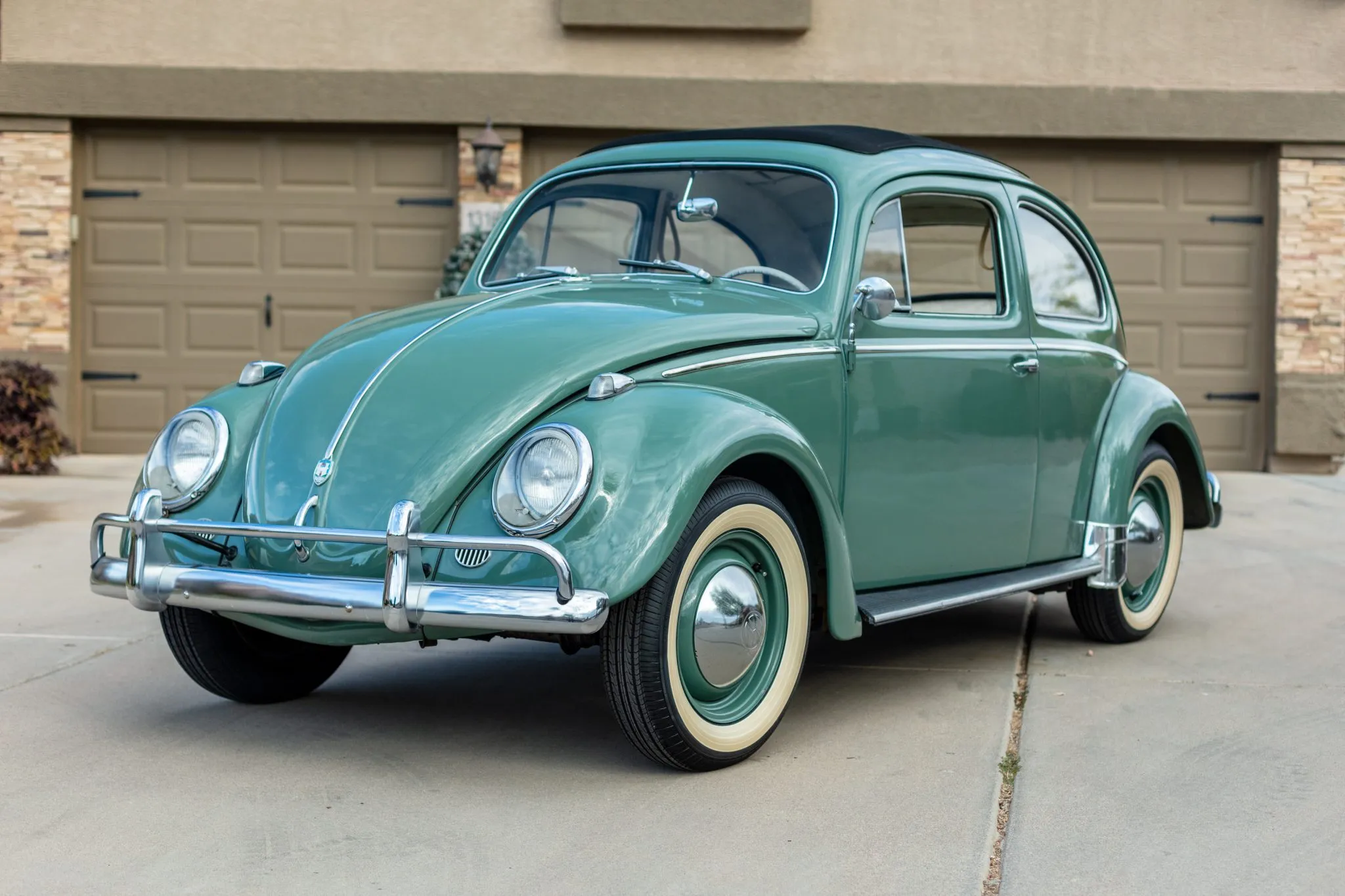
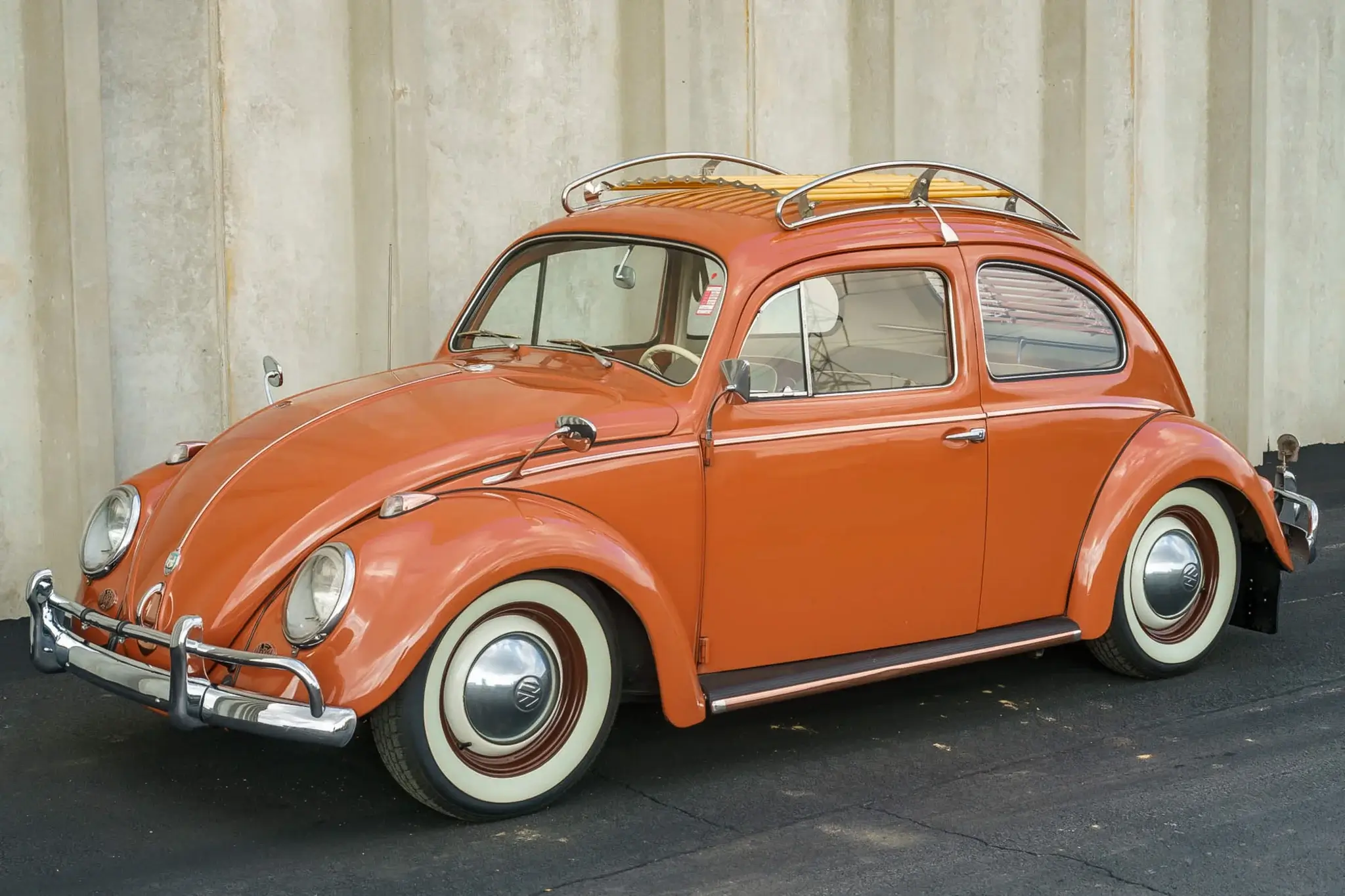
1958 VW Beetle — The People’s Car That Conquered the World
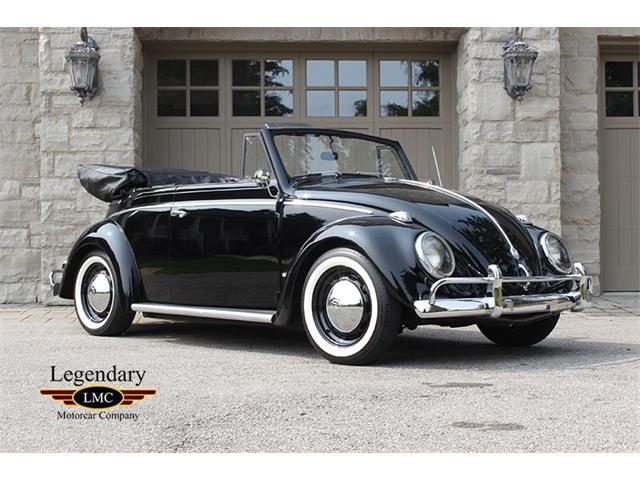
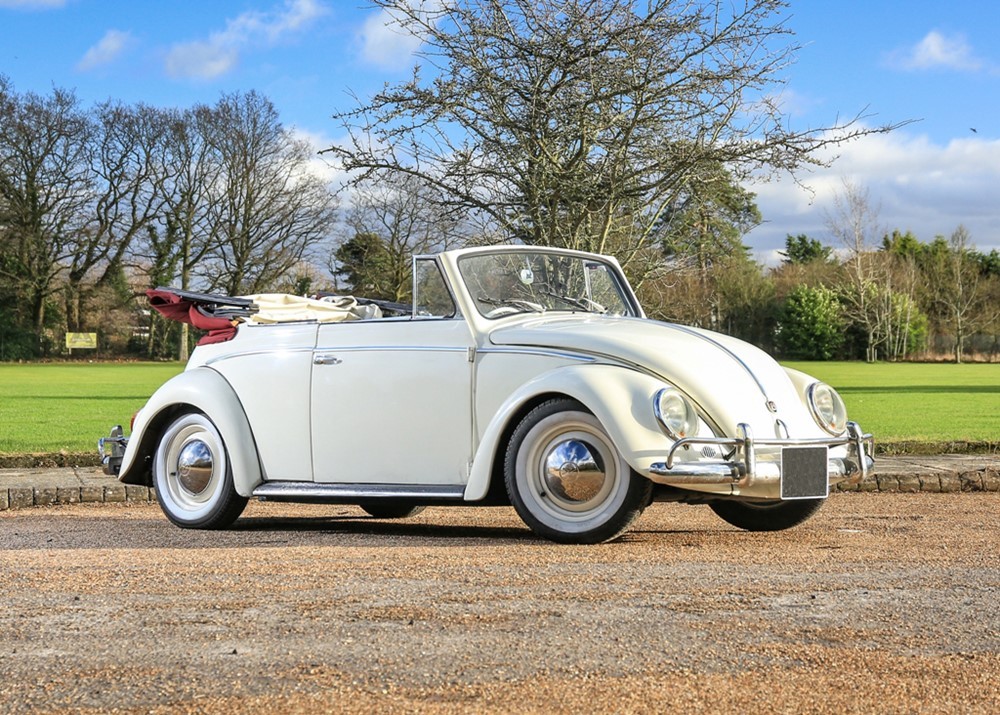
Few cars have had the cultural and automotive impact of the Volkswagen Beetle. Designed before World War II, it was still being produced in some markets well into the 21st century. Over 21 million were built — making it the longest-running and most-produced car of a single platform in history.
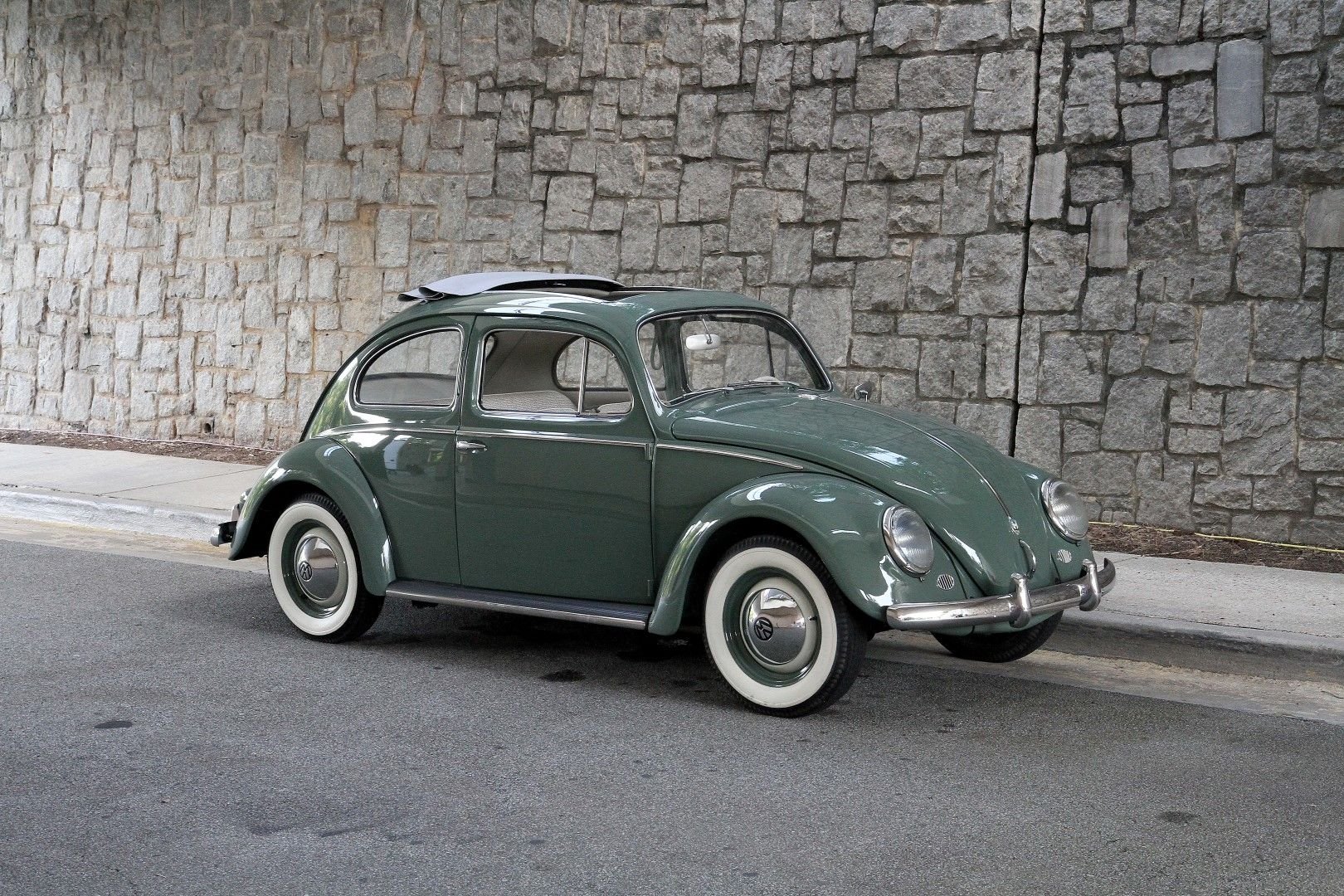
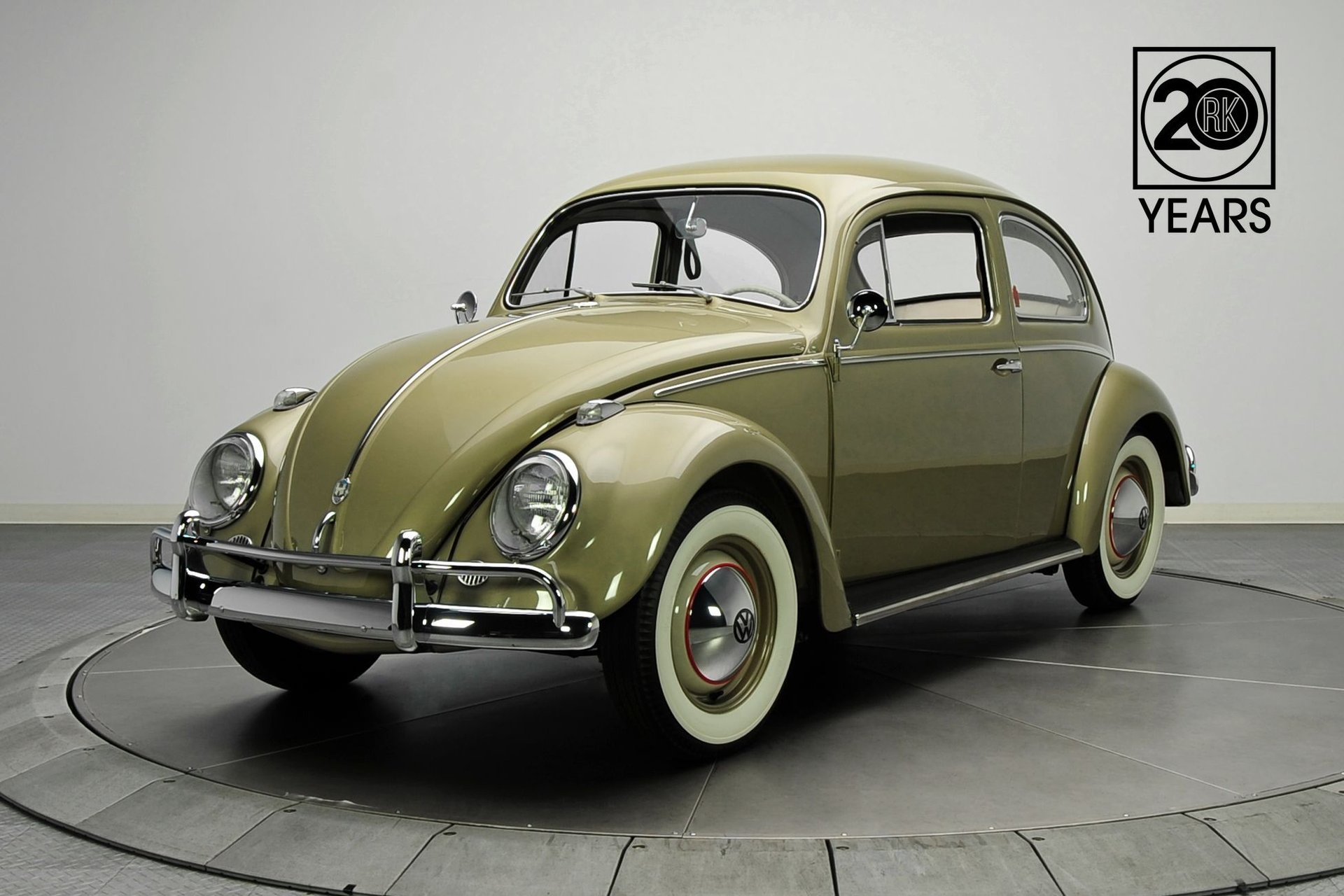
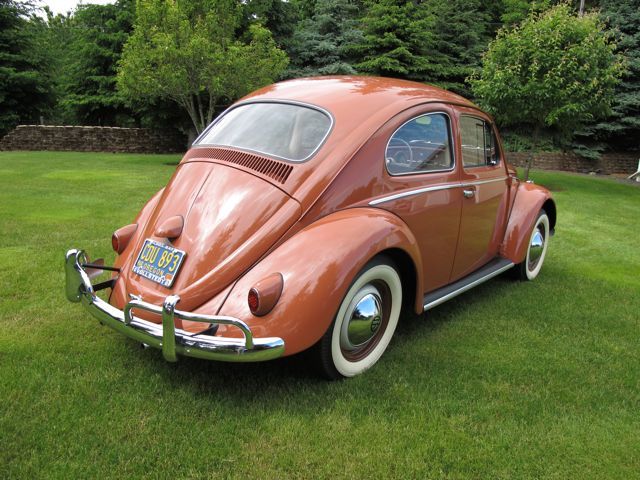
The 1958 model shown here is an early “Oval Window” Beetle, named for the small oval rear window that distinguished 1953–1957 models (though 1958 was the transition year to the larger rear window). By this point, the Beetle had already proven itself as reliable, affordable, and remarkably durable transportation for millions around the world.
A Personal Story
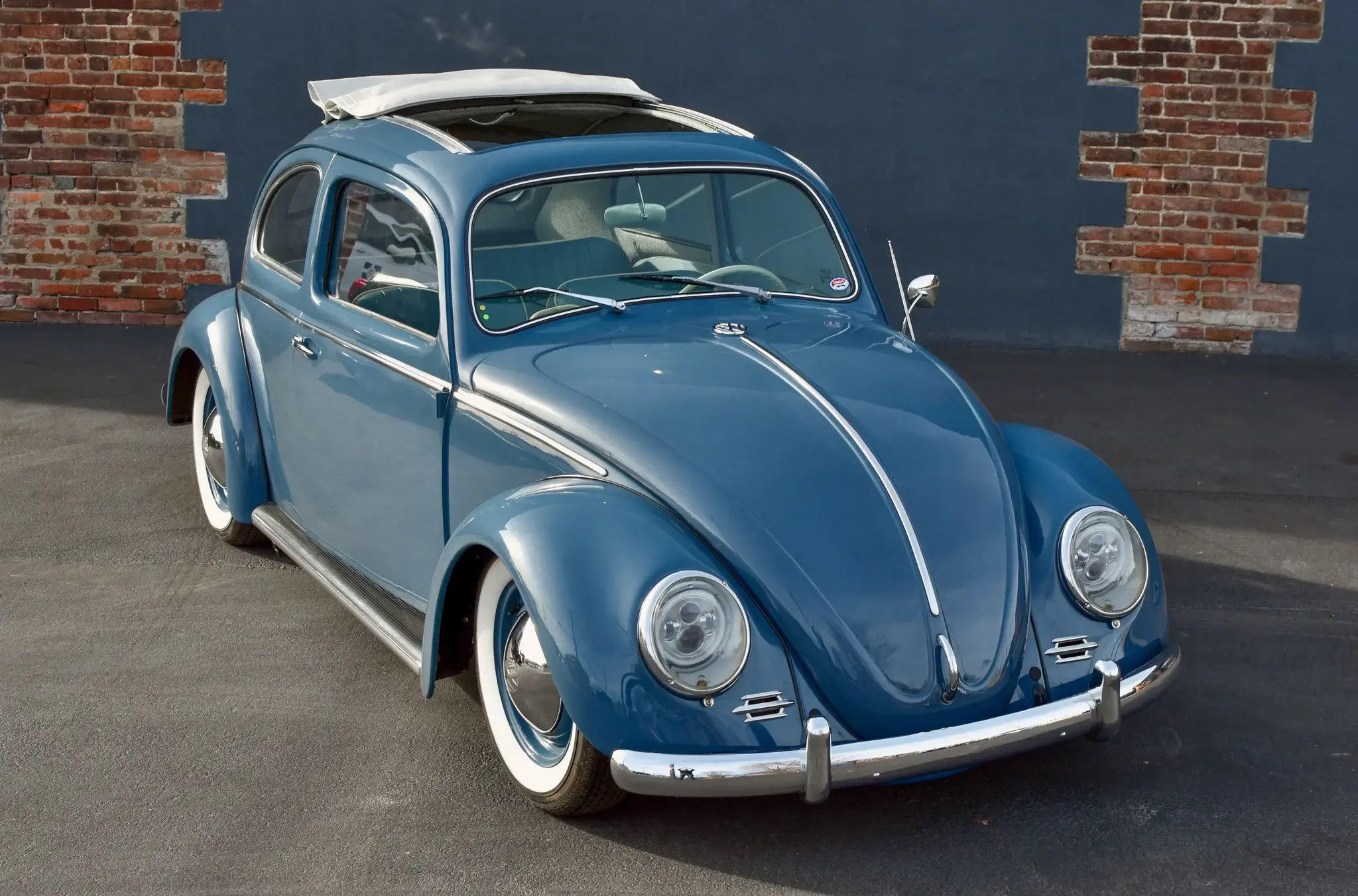
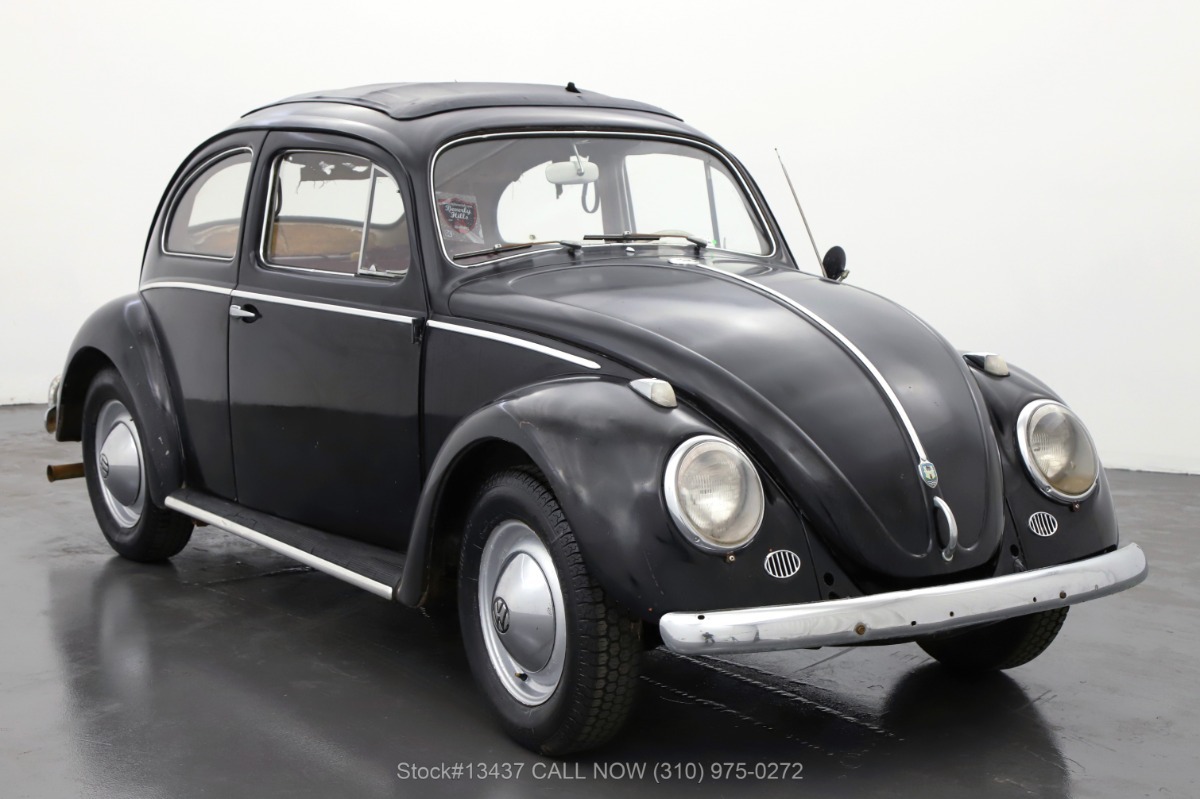
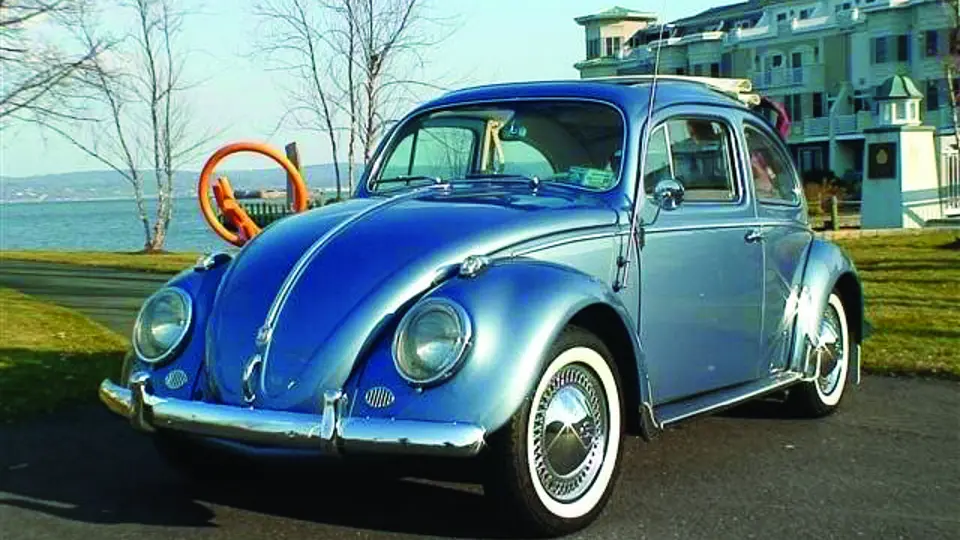
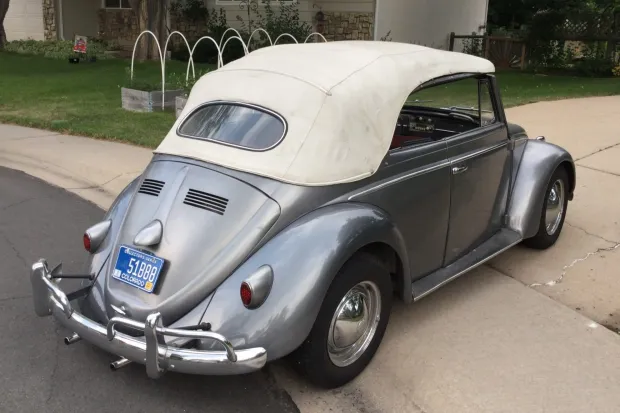
I owned a Beetle just like this one after finishing school. I traded a motorcycle for it — it wasn’t running when I got it, and it needed a lot of work. My father helped me fix it up, and together we painted it blue. That car taught me more about mechanics, patience, and the value of making something run again than any book ever could.
There’s something special about old Beetles. They’re simple, honest cars. No computers, no complex electronics — just an air-cooled flat-four buzzing away behind the rear seat, connected to the wheels by a cable-operated clutch and that notchy 4-speed gearbox. When something goes wrong, you can fix it with basic tools and a workshop manual.
Specifications
| Spec | Detail |
|---|---|
| Engine | 1,192 cc air-cooled flat-four |
| Power | 36 hp at 3,700 rpm |
| Torque | 63 lb-ft at 2,000 rpm |
| Top Speed | ~112 km/h (70 mph) |
| Transmission | 4-speed manual |
| Weight | ~800 kg (1,765 lbs) |
| Fuel Economy | ~13 km/L (7.7 L/100 km) |
| Production (total) | 21,529,464 units |
The Beetle’s engine was remarkably simple: two cylinders on each side, pushrod-operated valves, and a single Solex carburetor. The fan shroud doubled as the engine cover, and the oil cooler was exposed to airflow from the fan. No water, no radiator, no coolant — just air.
The Beetle in South Africa
The VW Beetle has a deep and special history in South Africa. On 31 August 1951, the very first Beetle rolled off the assembly line at SAMAD (South African Motor Assemblers and Distributors) in Uitenhage, Eastern Cape — now known as Kariega. This was the start of Volkswagen’s manufacturing presence in South Africa, which continues to this day at the same plant.
The Beetle became one of the best-loved cars in South Africa. The Uitenhage plant became one of the leading Beetle production facilities globally, building the car for both the local and export markets. By 1973, Volkswagen had become the best-selling brand in South Africa, largely thanks to the Beetle’s popularity.
In 1997, a milestone was reached when the 250,000th Beetle — a special edition Lux Bug — rolled off the line. The Beetle’s legacy in South Africa lives on through countless enthusiasts, clubs, and the iconic Citi Golf that succeeded it.
Why the Beetle Endured
The Beetle’s success came down to a few key principles:
- Simplicity — Designed to be maintained anywhere with minimal tools
- Durability — Flat-four engines regularly lasted 150,000+ km with basic care
- Affordability — It was cheaper to buy and run than almost anything else
- Character — The shape, the sound, the feel — nothing else drove like a Beetle
The Beetle also had a legendary marketing campaign. Doyle Dane Bernbach’s “Think Small” campaign for the Beetle is still taught in advertising schools as one of the greatest campaigns of all time. Instead of hiding the Beetle’s small size, they celebrated it.
Legacy
Production of the original Beetle finally ended in Puebla, Mexico, in 2003 — a staggering 65 years after its debut. By then, it had become the most-produced car of all time, a record it held until the Toyota Corolla surpassed it in the 2010s.
But the Beetle’s legacy is about more than numbers. It’s about the millions of people for whom the Beetle was their first car, their only car, their project car, or their lifelong passion. It’s a car that crossed borders, generations, and social classes like no other.
And for those of us who owned one — especially one we fixed up with a parent — it’s a memory that stays forever.
Sources:
- Wikipedia — Volkswagen Beetle
- Volkswagen South Africa — Heritage
- Engineering News — 70 Years of VW Manufacturing in SA
- News24 — From the Beetle to Polo: Volkswagen’s SA Journey
- Wikipedia — Volkswagen of South Africa
Did you or someone you know ever own a Beetle? What colour was it, and what stories do you have? I’d love to hear about your experiences with the People’s Car in the comments below.