The Snapshot Problem: How to Check Whether Time-Sensitive Web Information Is Still Current
Time-sensitive web information operates as a snapshot, reflecting what was accurate at a single moment in time. A webpage can remain online long after its practical utility has expired, maintaining a clean design and ranking highly in search engines while presenting obsolete prices, outdated schedules, or deprecated software guides.
Navigating the snapshot problem requires auditing timestamps in context, identifying responsible primary maintainers, following upstream update chains, and confirming public access terms.
The Snapshot Fallacy and Multi-Date Disambiguation
Web pages rarely disappear when their underlying facts change. Search engine algorithms and old browser bookmarks continue directing users to static pages that show historical truths rather than present realities.
Web Page Persistence and Historical Information Traps
Evaluating digital freshness requires recognizing that visually polished pages can easily disguise outdated body text.
Freshness Audit Element
Observed Web Signal
Operational Verification Focus
Surface Timestamp
Header or footer modification date
Confirm whether edit altered core claims or mere CSS layout
Evidence Date
Publication date of cited reports/data
Ensure cited primary evidence matches current operational rules
System Scope
Version tags, regional labels, user tiers
Verify whether updated rules apply to your specific user profile
Four Change-Velocity Tiers for Digital Content
Different subjects age at vastly different rates, dictating how rigorously a timestamp must be checked:
Slow-Changing Content: Foundational principles, historical records, and theoretical overviews requiring infrequent recency checks.
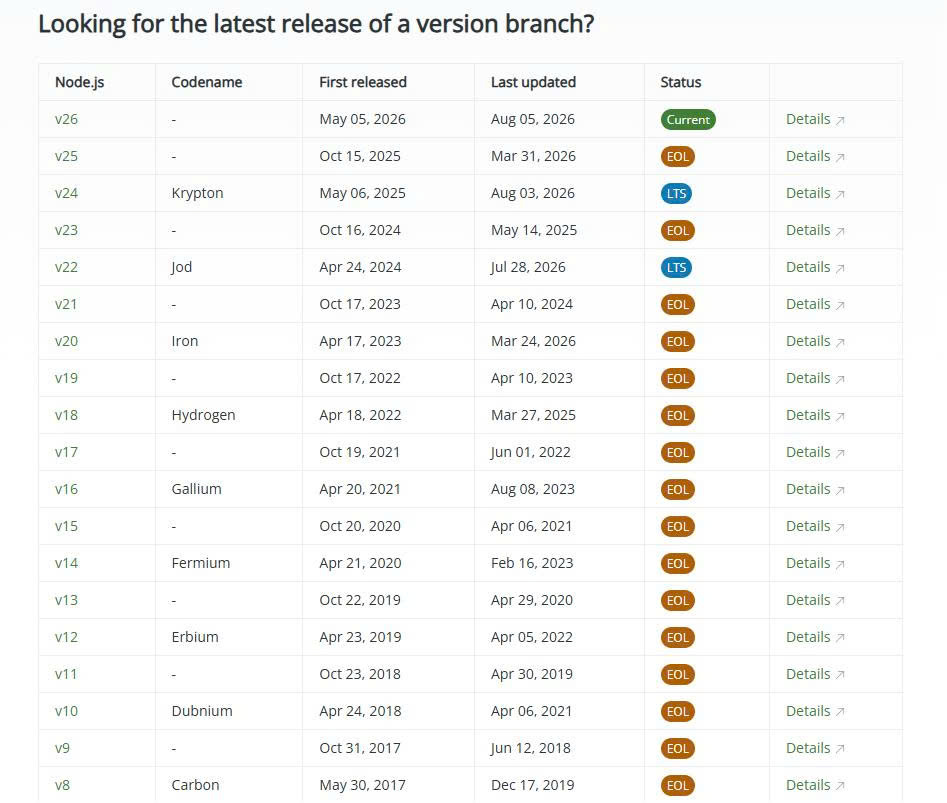
Occasionally Changing Content: Administrative procedures, software manuals, public directories, and organizational charts requiring periodic audits.
Frequently Changing Content: Pricing tiers, event schedules, active link lists, and service policy updates requiring recent verification.
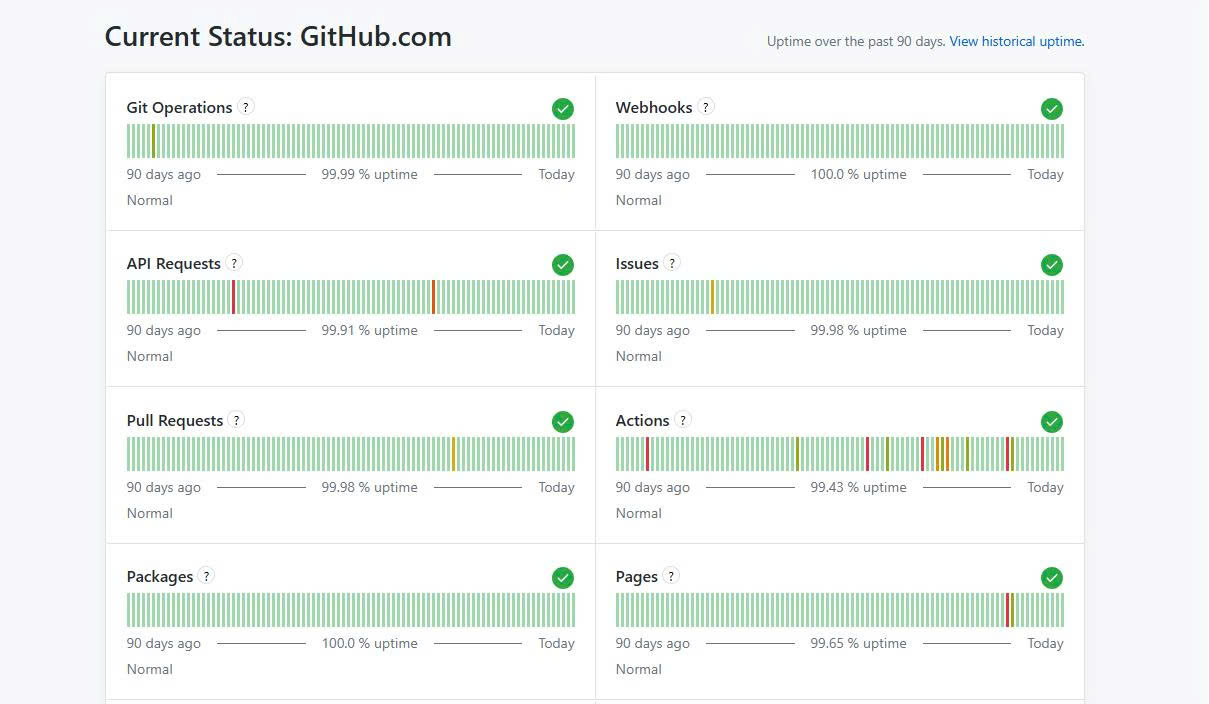
Continuously Changing Content: Real-time system status boards, traffic feeds, and live emergency notices requiring immediate verification before action.
Date Disambiguation and Maintainer Accountability
Treating every visible date on a webpage as proof of current validity is a primary cause of research error.
A webpage frequently displays multiple distinct dates. The original publication date indicates when the page was created, the edit date shows when layout or text changes occurred, and the effective date defines when a policy or price officially applies. A page updated today can easily summarize a policy that expired last year. Researchers must read the surrounding text to determine what each date specifically describes.
Furthermore, timestamps hold value only when tied to an accountable maintainer. Official status dashboards and primary developer release notes provide reliable facts regarding active outages or software changes. Unofficial community posts provide valuable practical context, but primary maintainers remain the authoritative source for current rules.
Update Chain Navigation and Unauthenticated Access Audits
Time-sensitive pages frequently contain navigation paths leading toward more current primary documentation.
Upstream Update Chains and Redirect Warnings
Researchers should follow explicit revision cues such as "latest update," "revised schedule," or "view current documentation." If an old link redirects to a generic corporate homepage rather than an updated policy document, the redirect has failed to provide current information, requiring manual navigation through the site's primary directory.
Discovery Aggregators and Unauthenticated Session Testing
Curated link collections streamline initial research by centralizing candidate URLs across specific topics. Navigating public reference portals like 관련 글 보기 offers a practical starting point for exploring dynamic web resources. However, aggregators function as discovery maps rather than final proof. Each candidate destination discovered through a directory must undergo an independent recency audit upon arrival.
Additionally, researchers must test important links in an unauthenticated or private browser window. Active session cookies, saved logins, or regional IP settings can hide paywalls or dashboard redirects that external users will encounter.
Ninety-Second Freshness Audits and Metadata Archiving
Executing a structured ninety-second freshness check ensures rapid, reliable data verification before taking action.
Allocating fifteen seconds to identify content velocity tiers, twenty seconds to analyze date context, twenty seconds to locate primary maintainers, fifteen seconds to test unauthenticated access, and twenty seconds to cross-reference a secondary source establishes a balanced audit. If a page fails this rapid audit, the operational status must be marked as unconfirmed.
When saving verified time-sensitive links, appending brief metadata notes (such as "Pricing verified August 2026 for current release") preserves operational context and ensures long-term reference reliability.
안녕하세요 스팀잇 세계에 오신것을 환영합니다.
저는 여러분이 스팀잇에 잘 적응 할 수 있도록 응원하고 있습니다.
이 포스팅을 한번 끝까지 읽어보시고 STEEMIT-초보자를위한 가이드
혹시나 궁금하신 내용이 있으면 언제든
@ayogom, @jungjunghoon, @powerego, @tworld, @dorian-lee, @bitai, @kinghyunn, @maikuraki, @hiyosbi, @nasoe, @angma, @raah 님께 댓글 주시면 친절하게 알려드리겠습니다.
카카오톡 방에서 궁금한 점도 한번 해결해 보세요. 많은 스팀잇 경험자 분들께서 언제나 궁금한 부분을 즉시 해결해 주실 것입니다. 카카오톡 대화방 바로가기 패스워드(1004)
안녕하세요~ 반갑습니다
환영합니다~ ^^