Why Do So Many Black Women Wear Wigs?
I've actually asked this very question myself—and quite directly, too.
When I first started wearing wigs, I felt a bit uncomfortable with it; I kept wondering if I was somehow "obligated to change my natural appearance." But after wearing them for a while, my mindset shifted completely.
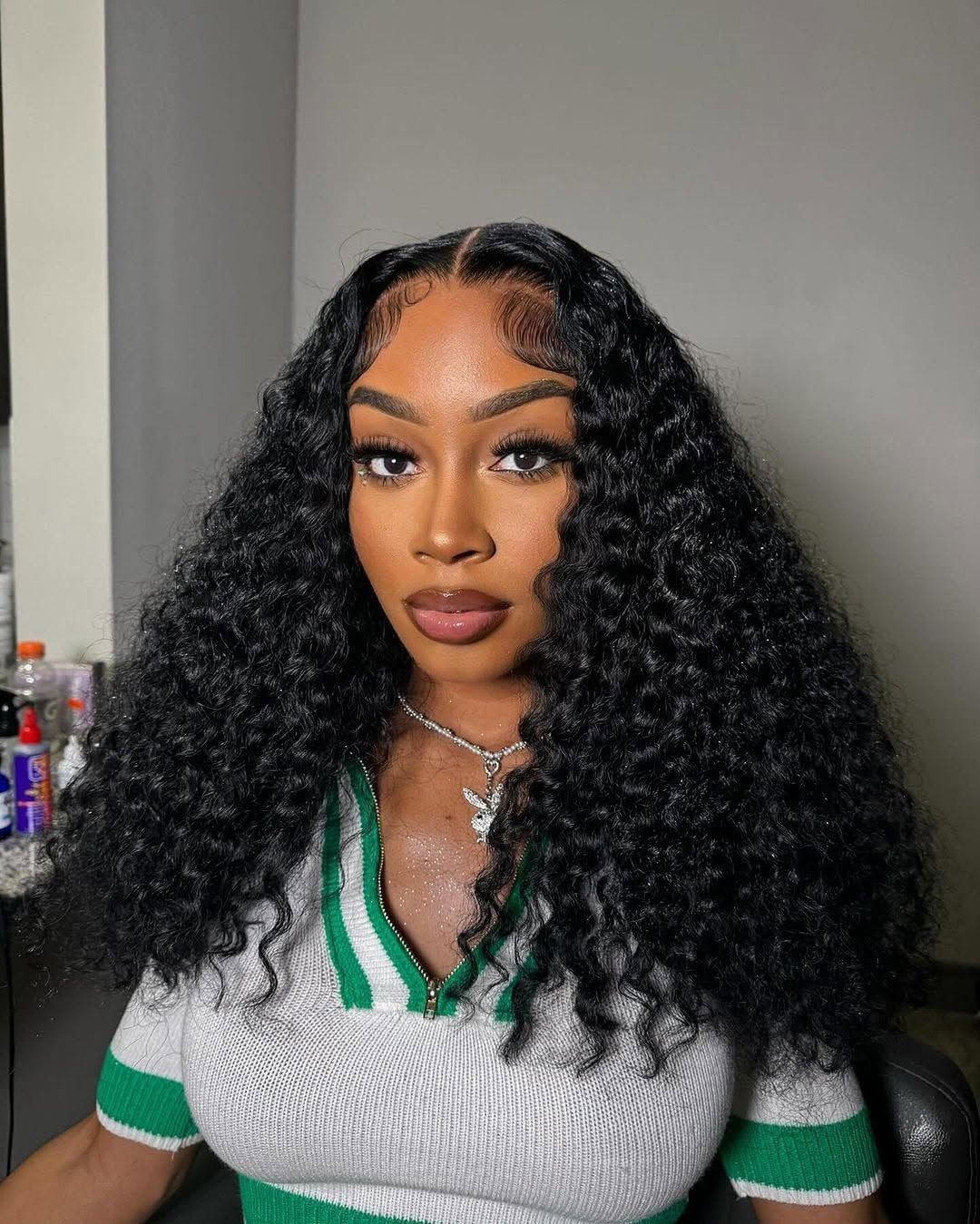
The most immediate reason, quite simply, is convenience.
Seriously—it really just comes down to convenience. Especially once you've gone through the whole routine of washing, blow-drying, straightening, or maintaining curly hair, you realize just how much time a wig can save you. Sometimes, I can just wake up in the morning, slip one on, and walk right out the door—and that feeling is absolutely liberating.
The second reason is hair protection.
This is something I only gradually came to realize later on. Frequent pulling and tugging, the use of heat styling tools, and dyeing can all actually cause damage to your natural hair. Wearing a wig essentially gives your own hair a "rest period." For a while, I wore wigs consistently, and I actually found that the condition of my natural hair improved as a result.
There is also another very practical point: versatility.
Maybe today you want long curls; tomorrow, a short bob; and the day after, you want to experiment with a bold color. If you tried to achieve all those looks using only your natural hair, the cost—in terms of both time and damage—would be truly prohibitive. Wigs, however, are a different story; you can switch up your style whenever you please without having to worry about the irreversible consequences.
Of course, aesthetic preferences and societal influences also play a role. Different occasions come with different "expectations" regarding hairstyles; some women may wish to appear more "polished" or "sleek" in professional or formal settings, and human hair wigs certainly offer a wider range of options for achieving that look.
But ultimately, I now prefer to view them as a tool rather than a "necessity."
You can choose to wear one, or you can choose not to. You can wear one today and go without it tomorrow. It is more like an article of clothing than a label.