Window Tint Installation Checklist: How Consumers Compare Shops and Avoid Common Problems
Most window tint problems are easier to prevent before installation than to solve afterward.
Consumers often focus on two questions, how dark the film looks and how much the job costs.
Those questions matter, but they leave out installer experience, film specifications, legal limits, warranties, preparation, curing, and aftercare.
A structured checklist helps you compare providers more fairly.
Use this guide whether you are planning automotive tinting or starting early research for another window film project.
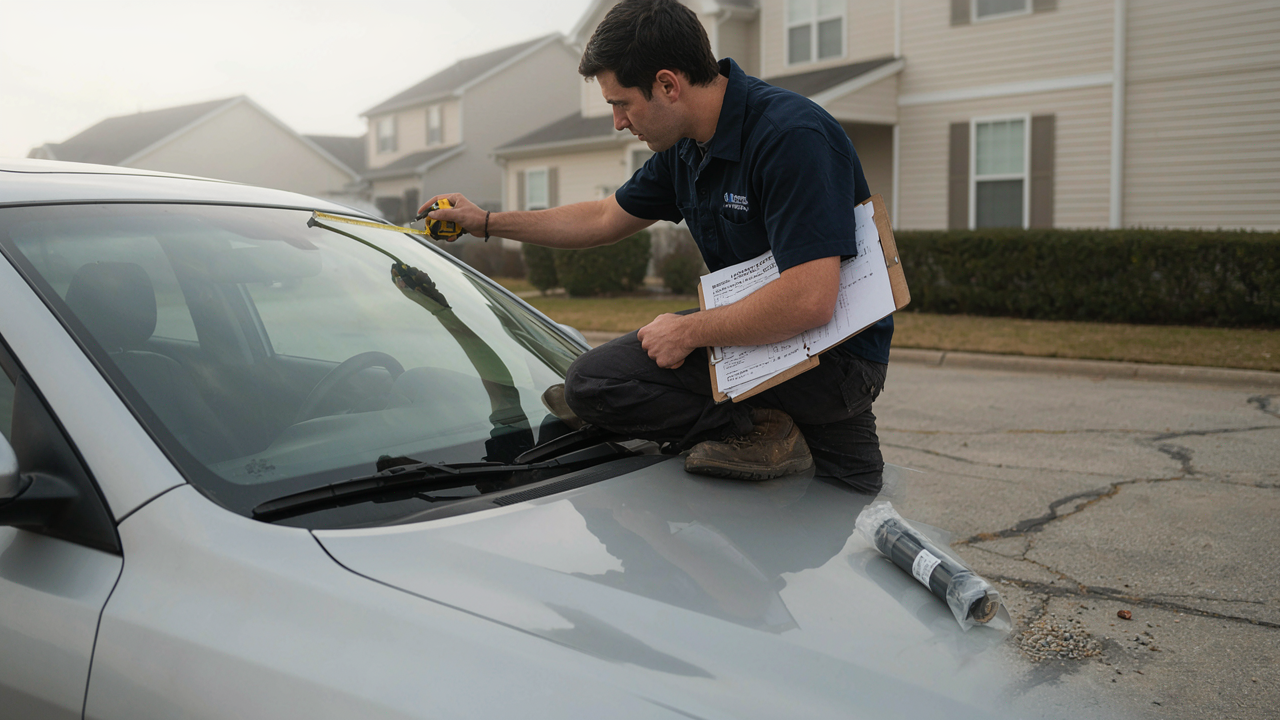
Begin With Three Questions
Before contacting installers, answer three basic questions.
What do you want the film to do?
What surfaces need film?
What matters most, performance, appearance, privacy, or price?
For a car, your priorities might include cabin comfort and glare.
For a home, you might care about privacy or afternoon heat.
For an office, screen glare might drive the project.
Clear priorities make estimates easier to compare.
Check the Provider's Relevant Experience
Not every tinting job requires the same experience.
Ask whether the company regularly performs the exact type of installation you need.
For automotive work, ask about vehicles similar to yours.
For residential or commercial projects, ask about architectural film and the type of glass in the building.
You want evidence that the provider understands the work rather than a vague statement that it installs “all kinds of tint.”
Request a Written Estimate
Verbal prices create confusion.
Get the scope in writing.
For a vehicle, the estimate should identify:
• Windows included
• Film type
• Removal of existing tint
• Labor
• Added charges
• Warranty
For a property project, it should also identify the rooms, glass areas, or approximate project size.
Save the estimate.
It gives you a common reference point when comparing companies.
Ask for the Exact Film Information
Do not accept a description such as “premium ceramic” without asking which product the shop intends to install.
You should know enough to compare the proposed film with alternatives.
Ask about:
• Film category
• Product line
• Shade
• Visible light transmission
• Relevant solar performance
• UV performance
• Warranty
A clear product description also helps you confirm what was installed when you receive the final invoice.
Compare Providers With More Than One Research Source
Online ratings offer useful clues, but no single source tells the whole story.
Look at installer portfolios, detailed customer comments, written quotes, warranty terms, product specifications, and the quality of answers you receive.
As one part of that research process, Kepler Dealer is a resource you might review while comparing window film choices and installation options.
Use research tools to build a shortlist rather than to skip your own evaluation.
The individual shop doing the work remains the most important part of the service decision.
Ask Who Performs the Installation
The person selling the job and the person installing the film might not be the same.
Ask who performs the work.
For larger projects, find out:
• Who supervises the crew?
• Does the company use subcontractors?
• Who handles questions during installation?
• Who performs final inspection?
Clear responsibility matters if a concern appears.
Check Legal Requirements for Vehicle Tint
Automotive tint laws vary by jurisdiction.
They often regulate window darkness, windshield applications, reflectivity, or other details.
Check current requirements before finalizing film.
Do not assume another driver's tint is legal simply because you see the vehicle on the road.
Do not assume a shop's willingness to install something automatically establishes compliance either.
Understand what goes on your vehicle.
Inspect Existing Glass First
Film goes onto the glass you already have.
Existing damage matters.
Before installation, look for:
• Scratches
• Chips
• Cracks
• Defroster damage
• Old adhesive
• Previous film
• Window operation problems
Photograph existing concerns.
For building windows, provide information about glass type and coatings where available.
The product should fit the underlying glass.
Ask About Preparation
Clean preparation contributes to clean installation.
Ask how the provider prepares the surface.
For vehicles, the shop should have enough room and control over the work environment to limit contamination.
For homes and businesses, the installer should discuss furniture, coverings, floor protection, and access.
Preparation often separates careful workmanship from rushed service.
Review Samples in Real Conditions
Small sample cards have limits.
Whenever practical, inspect installed examples.
Look through the film from the side where you will use the glass.
For vehicles, examine interior visibility.
For homes, look at interior and exterior appearance.
For commercial projects, test glare and privacy under actual lighting.
Lighting changes how film looks.
Ask About Edge Quality
Automotive tint buyers should pay attention to edges.
Different vehicle designs require different approaches.
Ask how the installer finishes:
• Roll-down windows
• Small fixed glass
• Rear windows
• Difficult curved areas
You do not need to dictate technique.
You should expect the shop to explain what the finished edge should look like.
Understand the Curing Period Before You Leave
Ask about curing before installation day ends.
Write down:
• When windows are safe to lower
• When cleaning is safe
• What temporary moisture looks like
• How long settling normally takes
• When to report a concern
Do not treat temporary drying patterns as permanent defects.
At the same time, do not ignore lifting or other persistent issues after the recommended curing period.
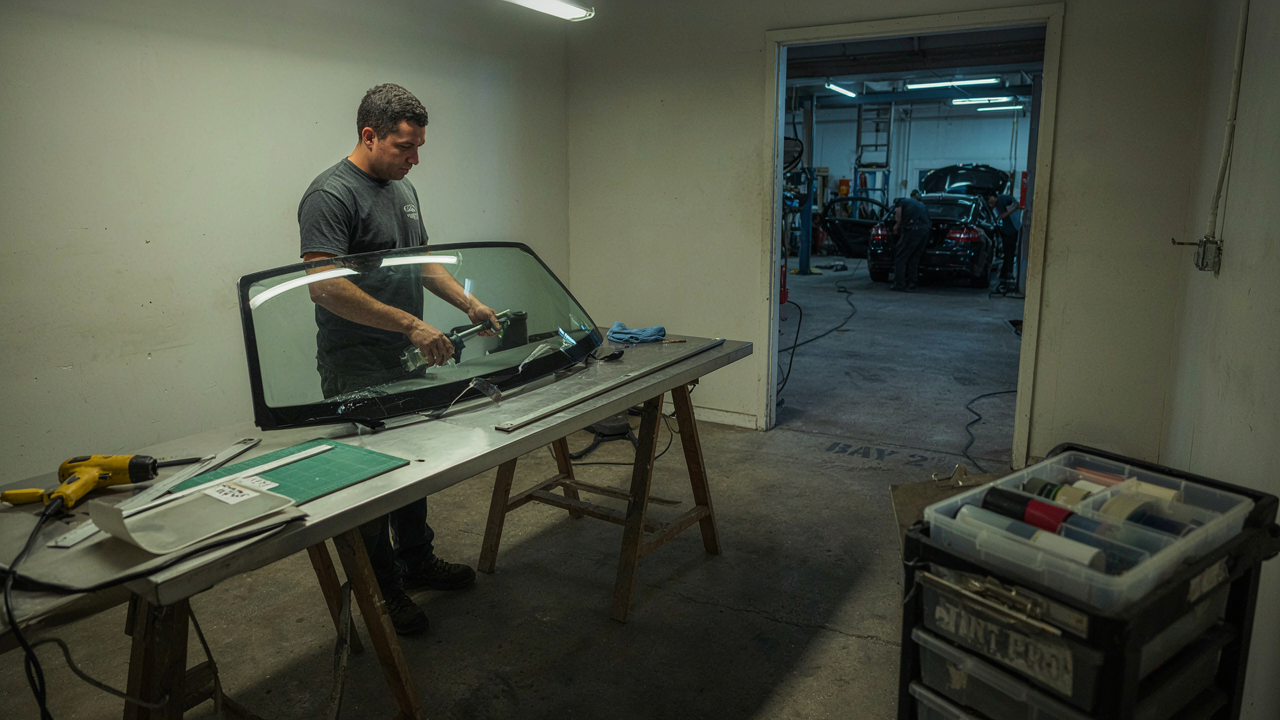
Review Warranty Terms in Writing
Ask what the warranty covers.
Common issues consumers ask about include:
• Peeling
• Bubbling
• Adhesive failure
• Color change
• Installation workmanship
Product and workmanship coverage might differ.
Know who handles each issue.
Keep your warranty paperwork instead of relying on a promise made during the sales conversation.
Avoid Price-Only Decisions
Price matters to nearly every consumer.
It still needs context.
Suppose Shop A quotes less but uses a different film and excludes old tint removal.
Shop B charges more but includes removal and another product level.
Those are not identical offers.
Compare:
• Film
• Scope
• Installation
• Warranty
• Removal
• Added fees
Then decide which proposal gives you the value you want.
Watch for Unclear Sales Claims
Be cautious when a provider relies on broad promises without providing useful information.
Ask for clarification when you hear phrases such as:
• “This blocks all heat.”
• “This is completely private.”
• “This is legal everywhere.”
• “You never need to worry about it.”
Good consumer decisions rely on specifications, written terms, and realistic expectations.
Ask questions until the recommendation makes sense.
Prepare for Appointment Day
For a vehicle:
• Remove valuables
• Clear items near windows
• Confirm drop-off time
• Ask about transportation
• Mention window problems
For a home or business:
• Clear access to glass
• Move fragile objects
• Confirm furniture responsibilities
• Notify occupants
• Arrange building access
Preparation helps installers focus on their work.
Inspect After the Proper Waiting Period
Once the film settles, perform a final check.
Look for persistent:
• Edge lifting
• Large bubbles
• Contamination
• Unexpected gaps
• Visual inconsistency
Take photographs if necessary.
Contact the installer with a clear description rather than an angry message.
Most service concerns are easier to address when both sides have specific information.
Keep a Permanent Installation Record
Save:
• Invoice
• Film identification
• Shade
• Warranty
• Installer information
• Installation date
• Care instructions
If one pane or automotive window later breaks, this information helps identify replacement film.
It also helps when selling a vehicle or property.
Use a Simple Final Decision Checklist
Before approving a quote, confirm that you understand:
• The product
• The shade or appearance
• The performance relevant to your goals
• The legal requirements where applicable
• The full price
• The warranty
• The installation schedule
• The curing process
• The aftercare
If one of those areas remains unclear, ask before paying a deposit.
Good window tint installation starts before the film touches the glass.
Research the provider, define what you need, compare the actual products, and understand the written terms.
Then give the installation enough time to cure before judging the final result.
A few careful questions at the beginning help you avoid many of the problems consumers face after choosing based only on price or appearance.