Ancient Greek Xiphos Sword: How It Was Forged and Used
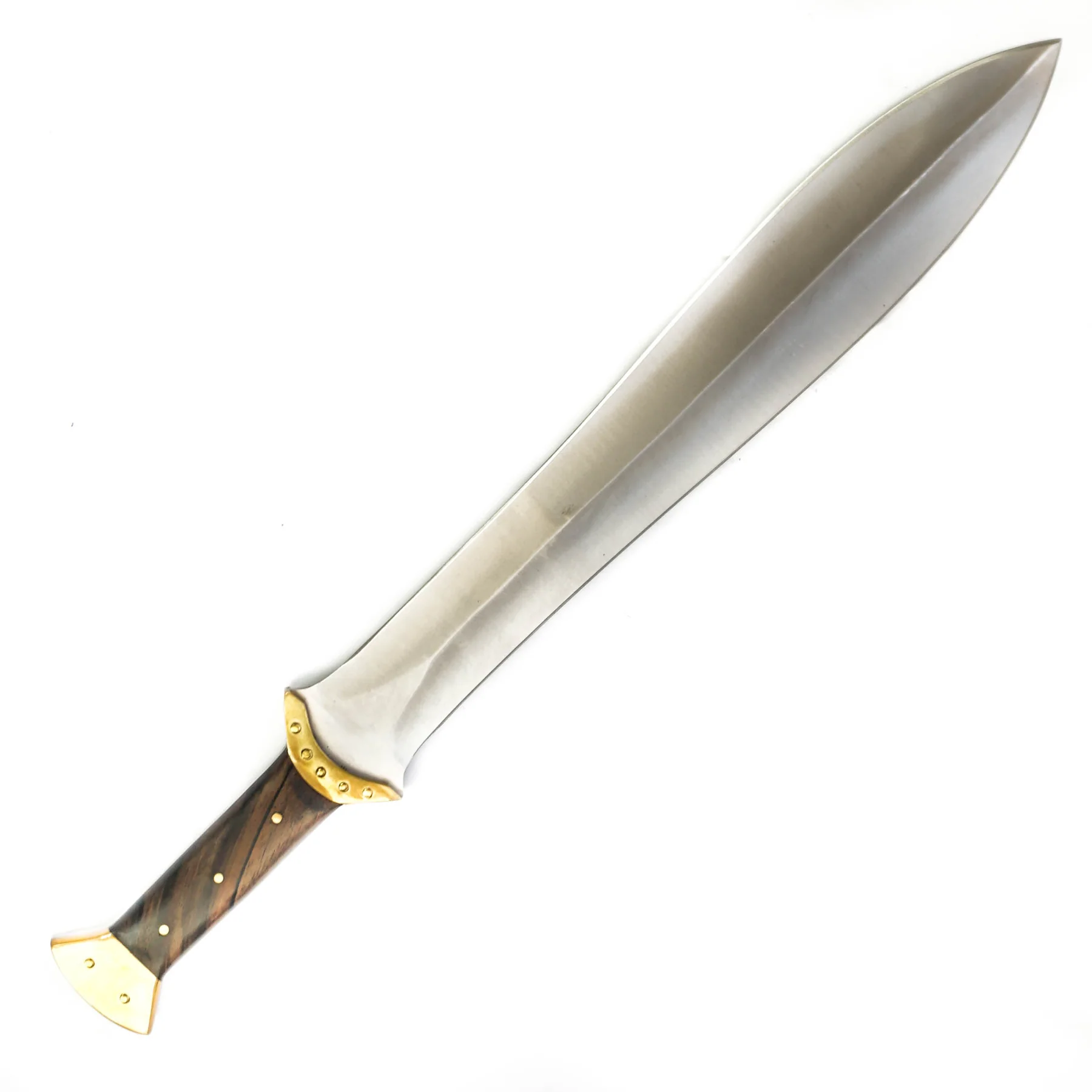
Few weapons combine elegance, efficiency, and deadly precision like the xiphos sword. It is a short, double-edged weapon that was designed for close combat in order to give Greek warriors an upper hand in battle.
Its compact size made it ideal in tight formations; meanwhile, a sharp, leaf-shaped blade allowed it to perform both cutting and thrusting. In this guide, we’ll dive into the anatomy of a xiphos blade, how it was made, and the ways it was wielded effectively on the battlefield.
What is Special About an Xiphos Sword?
The sword has the following aspects easily identified by its function and appearance:
● Leaf Shape Blade is wide at the middle and narrows at both ends, allowing slashing and thrusting.
● Short and agile, usually 18-24 inches in length, it was intended for close-quarters combat.
● The double-edged blade allows for various attacks from all angles.
● A secure hilt allows for good control during battle
Therefore, these qualities made the sword a reliable secondary weapon used by Greek soldiers when spears were not an option.
How a Xiphos Sword Was Made?
The composition of a Xiphos sword involved expert craftsmanship, extensive patience, and premium quality materials. The following highlights this sophisticated invention.
1. Metal Selection
Initially created from bronze, the design of xiphos blades eventually shifted toward iron/steel. Blacksmiths select metals that are free of contaminants (impurities) to ensure long-lasting durability.
2. Heating/Hammering
After being heated to a workable temperature, the metal is then hammered into the rough outline of a sword. Careful attention must be paid to balance the amount of strength and flexibility built into the sword.
3. Blade Design
The famous leaf shape seen in xiphos blades is created through a defined process. In contrast to the edges of the blade, which are thinned to facilitate cutting, the center of the blade retains its full amount of strength.
4. Blade Hardening/Tempering
The blade is quenched in either oil or water to complete the hardening phase. The tempering helps to reduce possible brittleness, which increases the chance that the sword is capable of withstanding stress in battle.
5. Hilt Creation
The hilts of xiphos blades are typically crafted from wood, bone, or horn and reinforced using bronze or iron. An ergonomic design is carefully developed to provide the warrior with a secure and comfortable grip during battle.
The xiphos sword crafting techniques created a weapon that was dependable as well as effective in close-quarters combat.
Key Advantages of the Xiphos Sword
The Xiphos Blades’ unique shape is part of its appeal to warriors in ancient Greece and continues to be an essential part of modern swords used by martial arts practitioners.
● Close-proximity Utilisation: When close-proximity combat was necessary or when long polearm combat would be ineffective.
●Precision Cut: The leaf-shaped blade of the sword allowed for pinpoint accuracy against unprotected portions of opponents.
● Fast and Agile: The fairly low weight of the sword allowed for quick-moving techniques and defensive maneuvers.
● Toughness: The methodically forged metal made this long-time used sword last as long as its user.
How was the Xiphos Blade Used?
The xiphos was more than just a spare; it was a weapon relied on strategically by Greek soldiers:
● Stabbing in tight formations: Its short blade was able to thrust between shields.
● Slashing the unarmored sections: The wide center blade could deliver precise cuts.
● Versatile:It is versatile in combat, effective during both offensive and defensive maneuvers.
● Skill symbol:To have a high-quality xiphos demonstrated an advanced level of battlefield skills.
Modern Interest in Xiphos Blades
Today, the xiphos short Blade is no less intriguing:
● Collectors and reenactors: Look for authentic or replica swords that are used for display and practice.
● Martial Arts followers: Learn to appreciate the balancing and handling of these weapons.
● Education props: recreate ancient combat techniques in museums or workshops.
Reputable providers like Battling Blades create high-quality replicas that preserve both craftsmanship and functionality.
Suggestions for owning a Greek Sword
● Quality materials:Blades must be made of high-quality steel.
● Check balance and grip: Proper ergonomics improve handling.
● Consider the purpose: Display, practice, or reenactment each requires slightly different specifications.
● Take good care: The razor blade should be polished and kept away from moisture to avoid rust.
Conclusion
The xiphos sword is an excellent example of when design meets functionality. Its leaf-shaped blade, compact size, and craftsmanship made it one of the most vital weapons in close combat. Understanding how a xiphos sword was made and how it was used allows enthusiasts to appreciate its ingenuity.
Battling Blades has professionally manufactured xiphos blades that give due respect to the great warriors of ancient Greece, whether one desires to collect, practice, or reenact with such an iconic weapon. A xiphos is something more than a mere sword; it's a piece of living history.