5 Helpful Psychological Techniques to Regulate Your Anxiety
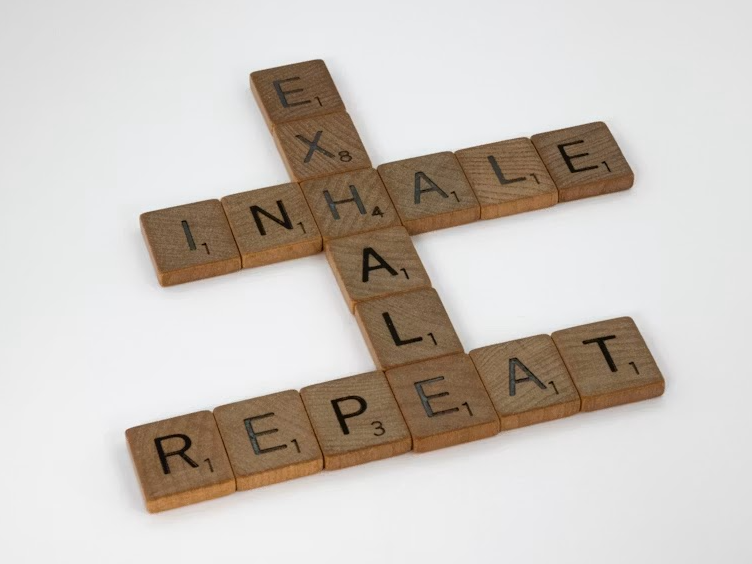
Anxiety is a normal human emotion, but when it becomes overwhelming, persistent, or difficult to control, it can affect nearly every part of daily life. Anxiety may interfere with sleep, concentration, work, relationships, and physical health.
Managing anxiety does not mean eliminating stress completely. Instead, the goal is learning how to respond to anxious thoughts and emotions in healthier, more balanced ways. Professional anxiety treatment can be beneficial; however, many psychological techniques can help people regulate anxious thoughts and calm the nervous system more effectively.
1. Cognitive Reframing
One of the most effective psychological tools for anxiety is cognitive reframing, a technique commonly used in cognitive behavioral therapy (CBT).
People with anxiety often experience:
- Catastrophic thinking;
- Worst-case-scenario assumptions;
- Overestimating danger;
- Excessive self-criticism.
Cognitive reframing involves learning to challenge these automatic thoughts and replace them with more realistic perspectives.
Helpful questions may include:
- “What evidence supports this thought?”
- “Am I assuming the worst without proof?”
- “What would I tell a friend in this situation?”
- “Is there another explanation?”
The goal is not forced positivity but balanced thinking.
2. Grounding Techniques
Anxiety often pulls people into future-focused worry and mental spiraling.
Grounding techniques help bring attention back to the present moment and reconnect the brain with immediate surroundings.
One popular grounding method is the “5-4-3-2-1” technique:
- Name 5 things you can see;
- Name 4 things you can touch;
- Name 3 things you can hear;
- Name 2 things you can smell;
- Name 1 thing you can taste.
This technique helps interrupt panic and overthinking by redirecting attention away from anxious mental loops.
Other grounding strategies may include:
- Holding a cold object
- Focusing on breathing sensations
- Walking barefoot on grass
- Describing surroundings in detail
Grounding can be especially helpful during:
- Panic attacks
- Acute stress
- Emotional overwhelm
- Racing thoughts
It reminds the nervous system that the person is safe in the present moment.
3. Controlled Breathing
Controlled breathing techniques help regulate the nervous system by activating the body’s relaxation response.
One commonly recommended method is slow diaphragmatic breathing:
- Inhale slowly through the nose;
- Allow the stomach to expand;
- Exhale slowly and fully;
- Repeat steadily for several minutes;
Another helpful approach is box breathing:
- Inhale for 4 seconds;
- Hold for 4 seconds;
- Exhale for 4 seconds;
- Hold again for 4 seconds.
Breathing exercises may not eliminate anxiety instantly, but they often reduce physical arousal enough to help the brain think more clearly. Regulating physical tension can directly affect emotional regulation.
4. Exposure and Gradual Desensitization
Avoidance is one of the most common behaviors associated with anxiety.
People may avoid:
- Social situations;
- Driving;
- Public speaking;
- Crowds;
- Difficult conversations;
- Activities associated with fear.
Although avoidance temporarily reduces anxiety, it often strengthens fear long-term because the brain never learns that the situation may actually be manageable.
Gradual exposure involves facing feared situations slowly and safely in small steps. Over time, the nervous system may become less reactive through repeated safe exposure.
This process is called desensitization.
Exposure therapy is often most effective when done:
- Gradually;
- Consistently;
- Without overwhelming the person completely.
Many people benefit from professional guidance during this process.
5. Self-Compassion and Emotional Acceptance
One overlooked aspect of anxiety is how harshly people often judge themselves for feeling anxious.
Many individuals think:
- “I should be stronger.”
- “Why can’t I control this?”
- “Something is wrong with me.”
This self-criticism may actually worsen anxiety. Instead of fighting every anxious feeling aggressively, people learn to acknowledge emotions without immediately panicking about them.
Helpful self-compassion practices may include:
- Speaking to yourself kindly;
- Accepting temporary discomfort;
- Avoiding perfectionism;
- Recognizing that anxiety is a human experience.
Paradoxically, resisting anxiety intensely often increases emotional tension, while acceptance may reduce the struggle around the feeling.
Emotional Regulation Takes Practice
Anxiety regulation is not usually a one-time fix. The brain develops anxious patterns over time, and healthier coping skills also require repetition and practice.
Some days may feel easier than others. Progress often happens gradually rather than suddenly.
Lifestyle Factors Also Influence Anxiety
Psychological techniques work best when combined with healthy habits such as:
- Adequate sleep;
- Physical activity;
- Reduced caffeine if sensitive;
- Balanced nutrition;
- Social support;
- Stress management.
The nervous system functions best when both mental and physical health are supported.
Professional Help May Be Important
While self-help techniques can be extremely valuable, professional support may be necessary if anxiety:
- Becomes overwhelming;
- Causes panic attacks;
- Interferes with work or relationships;
- Leads to avoidance of daily activities;
- Causes depression or hopelessness.
Therapy and medical support can provide additional tools and treatment options.