The Charming Kalmia: A Simple Guide to One of Nature’s Little Gems
If you’ve ever walked through a garden and noticed a cluster of delicate, cup‑shaped blooms in shades of pink, white or even deep crimson, you may have encountered the Kalmia.
Also known as mountain laurel, this shrub is a favorite of both seasoned gardeners and casual plant lovers because it combines striking beauty with surprisingly easy care. In this short guide, let’s explore what makes the Kalmia special, how to grow it, and why it’s worth a spot in your garden.
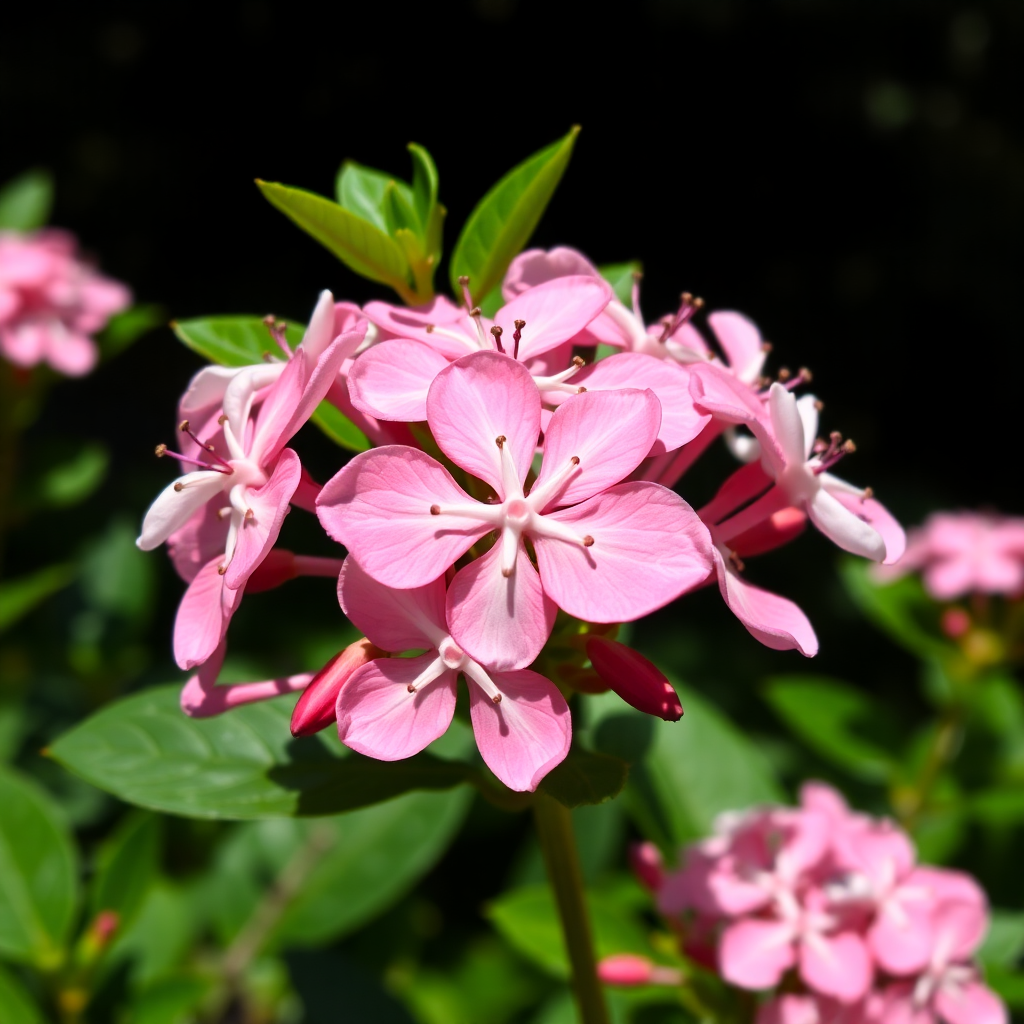
What Is a Kalmia?
Kalmia is a small evergreen shrub native to the eastern United States and parts of Canada. The name comes from the Swedish botanist Pehr Kalm, who first described the plant in the 18th century. Its most recognizable feature is the “ladder‑like” arrangement of leaves and the clusters of bell‑shaped flowers that appear in late spring to early summer.
The flowers can be pink, white, red or a blend of colors, and each blossom is made up of five petals that flare out in a graceful, almost symmetrical pattern.
Why We Love It
Year‑Round Greenery – Because Kalmia stays green all year, it adds structure to the garden even when other plants have gone dormant.
Low Maintenance – Once established, the shrub needs only occasional watering and a light pruning to keep its shape.
Wildlife Friendly – Birds are attracted to the dense foliage for shelter, and the nectar‑rich flowers draw hummingbirds and butterflies.
Versatile Design – Whether you place it in a formal border, a shady woodland garden, or a rock‑filled patio, Kalmia adapts beautifully.
Planting Tips for Beginners
Sunlight – Kalmia thrives in partial shade. A spot that receives morning sun and afternoon shade is ideal.
Soil – The plant prefers acidic, well‑draining soil. Adding peat moss or pine bark can help lower the pH if your garden soil is too alkaline.
Water – Keep the soil consistently moist during the first year, then water only during dry spells. Over‑watering can cause root rot.
Spacing – Give each shrub about 3–4 feet of room to spread. This prevents overcrowding and promotes healthy air circulation.
Simple Care Routine
Mulch – A thin layer of pine needles or shredded bark protects the roots and maintains soil acidity.
Prune Lightly – After flowering, trim back any leggy stems and remove dead wood. This encourages fresh growth for the next season.
Fertilize Sparingly – Use an acid‑loving fertilizer (like one formulated for azaleas or rhododendrons) once in early spring.
A Touch of Symbolism
In the language of flowers, Kalmia stands for “bewilderment” or “excessive love.” Its striking blossoms have been featured in classic literature and art, often symbolizing deep, passionate affection. Adding Kalmia to a garden can therefore bring a subtle, poetic element to the space.
Final Thoughts
The Kalmia may be modest in size, but its impact is anything but small. With its evergreen foliage, eye‑catching flowers, and easy‑going nature, it offers an accessible way for anyone—whether you have a sprawling backyard or a modest balcony garden—to enjoy a touch of natural elegance.
So next time you’re planning a garden makeover or simply looking for a plant that adds color without demanding constant attention, consider giving Kalmia a chance. You’ll soon discover why gardeners across North America have fallen in love with this humble, yet remarkable, blossom.