Rain Lilies: The Delicate Bloom That Turns a Drizzle into a Celebration
When the clouds finally break and the first drops of rain kiss the garden, most of us reach for a shelter. A true lover of flowers, however, sees an invitation—an opportunity for the rain lily (Zephyranthes spp.) to put on its most enchanting show.
These modest, trumpet‑shaped blossoms have earned their name because they often emerge immediately after a rainstorm, turning a soggy afternoon into a floral fiesta.
A Quick Primer
Rain lilies belong to the Amaryllidaceae family and are native to the warm, seasonal climates of the Americas. Their bulbs are compact, usually no larger than a walnut, and they produce slender, grass‑like leaves that fade as the flower stalks rise.
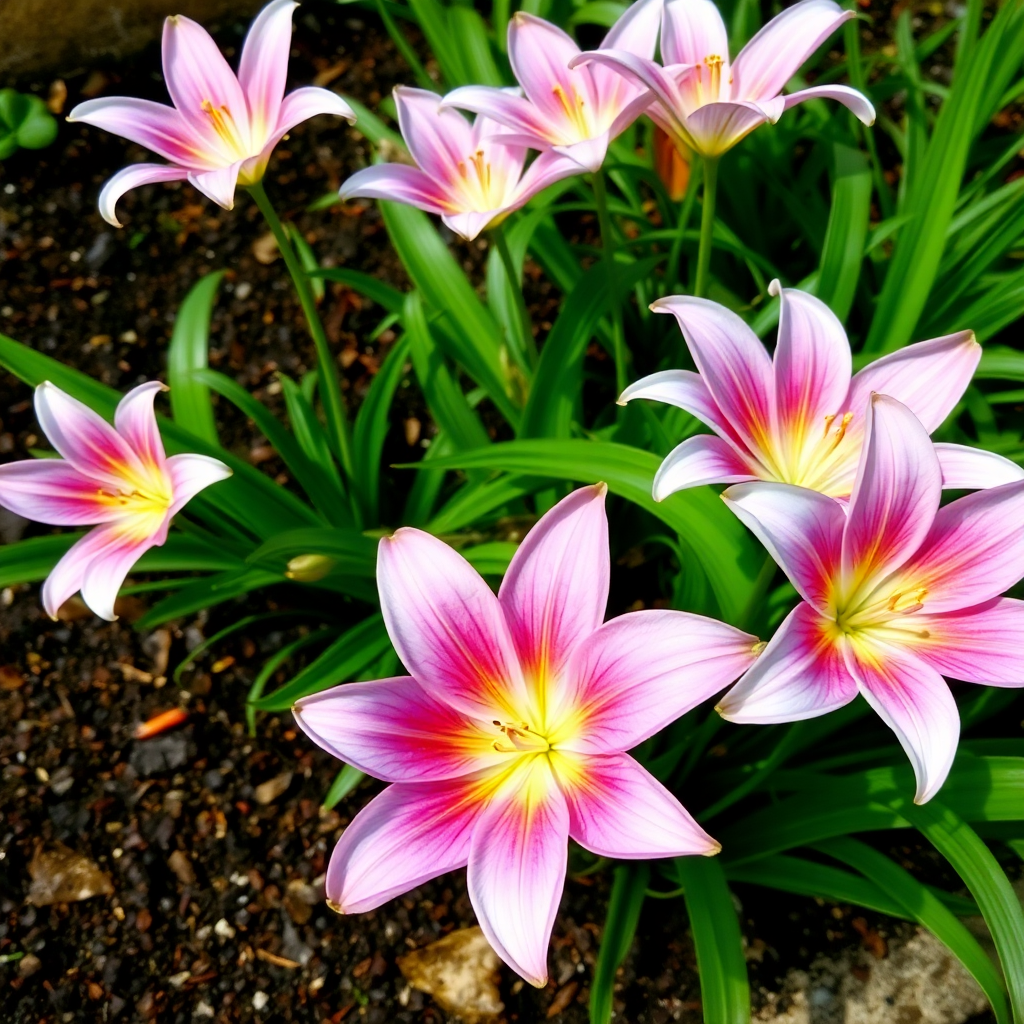
The blooms themselves range from pristine white to soft pink, lavender, and even a buttery yellow, each petal arching gracefully around a bright, contrasting throat.
Why They Love Water
What makes rain lilies truly special is their hydro‑responsive nature. After a dry spell, a single inch of rain triggers a hormonal cascade inside the bulb, prompting it to send up a flower within 24‑48 hours. This rapid response is a clever survival strategy: by blooming when moisture is abundant, the plant maximizes pollinator activity while minimizing water stress.
Garden Care Made Easy
- Planting location – Choose a sunny spot with well‑draining soil; a light shade works too, but the flowers may be fewer.
- Soil mix – Incorporate sand or coarse compost to mimic their native, often sandy habitats.
- Watering – Let the soil dry out between waterings; a deep soak mimicking rain is all the plant needs to trigger the next bloom.
- Fertilize – A light feeding of balanced fertilizer in early spring gives the bulbs a nutrient boost without encouraging foliage over flowers.
Symbolism & Uses
In many cultures, rain lilies symbolize renewal and hope, reflecting their uncanny ability to rise after a storm. Their delicate scent—subtle, almost honey‑like—makes them popular in wedding bouquets and fragrant indoor arrangements (when grown in pots).
A Little Harvest for the Soul
Whether you’re a seasoned horticulturist or a casual balcony gardener, planting rain lilies is a low‑maintenance way to add a touch of spontaneous magic to your green space.
The next time the sky opens, step outside, breathe in the fresh, earthy air, and watch as these tiny trumpets announce that even the smallest flowers can turn rain into a celebration.