Combustion vs. Aerosol: The Core Differences Between Cigarettes and Vaping
While both traditional cigarettes and electronic cigarettes (vapes) are used to deliver nicotine, the mechanical and chemical processes behind them are fundamentally different. Understanding these distinctions is crucial as the global public health landscape shifts toward "smoke-free" alternatives in 2026.
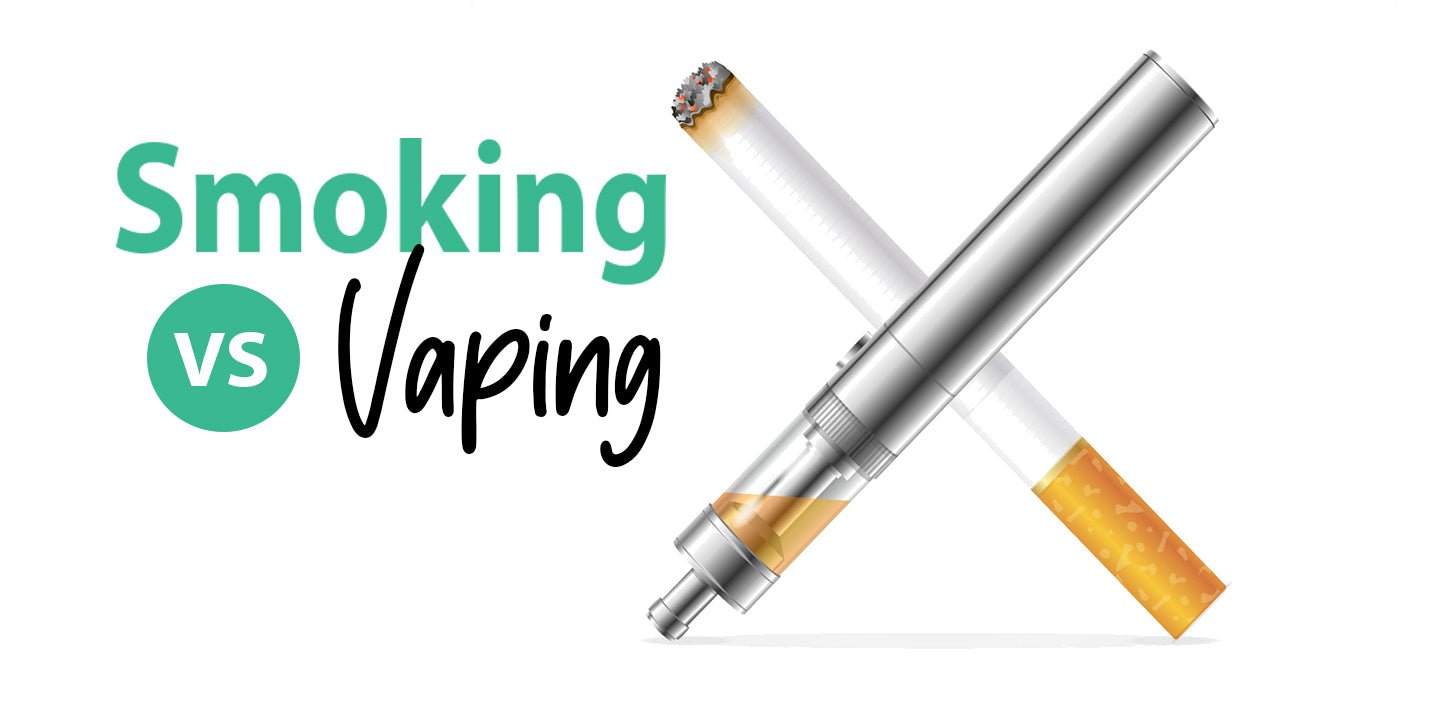
Mechanism: Fire vs. Electricity
The primary difference lies in delivery. Cigarettes rely on combustion; when tobacco is lit, it burns at temperatures reaching 900°C. This process creates smoke, which is a mixture of gases and solid particles. Vaping, conversely, utilizes a battery-powered heating element to atomize a liquid (e-juice) into an aerosol. Because there is no fire, there is no ash or carbon monoxide, which is one of the most toxic byproducts of traditional smoking.
Chemical Composition
The chemical profile of the two is where the health risks diverge.
- Cigarettes: Tobacco smoke contains over 7,000 chemicals, at least 69 of which are known carcinogens. These include tar, arsenic, lead, and formaldehyde. The tar produced by burning tobacco coats the lungs and is the primary cause of lung cancer and COPD.
- Vapes: E-liquids typically contain four main ingredients: propylene glycol, vegetable glycerin, flavorings, and nicotine. While vapes do not produce tar, the aerosol can contain heavy metals (like nickel and lead) leached from the heating coils and toxic chemicals like acrolein, particularly if the device is used at high voltages.
Nicotine Delivery and Control
Traditional cigarettes provide a fixed dose of nicotine determined by the tobacco blend. Vaping offers much higher levels of customization. E-liquids come in various strengths, including "nicotine salts" which allow for very high concentrations to be inhaled with less throat irritation. This high potency is a major factor in the rapid rise of nicotine dependency among non-smokers.
Conclusion
In the UK, health bodies like the NHS often frame vaping as a "harm reduction" tool—significantly less harmful than smoking for those who already use tobacco. However, "less harmful" is not synonymous with "safe." While vaping eliminates the deadly tar and carbon monoxide of cigarettes, it introduces new chemical risks and a high potential for lifelong nicotine addiction.
🎉 Congratulations!
Your post has been upvoted by the SteemX Team! 🚀
SteemX is a modern, user-friendly and powerful platform built for the Steem community.
🔗 Visit us: www.steemx.org
✅ Support our work — Vote for our witness: bountyking5