Junction of the Future: The Transformation of UK Train Stations
In 2026, the British train station is no longer just a place to wait; it has become a central hub for economic regeneration and community life. With rail passenger numbers rebounding to pre-pandemic highs, the UK is witnessing a historic shift in how stations are managed, designed, and integrated into the urban landscape.
Great British Railways and Unified Branding
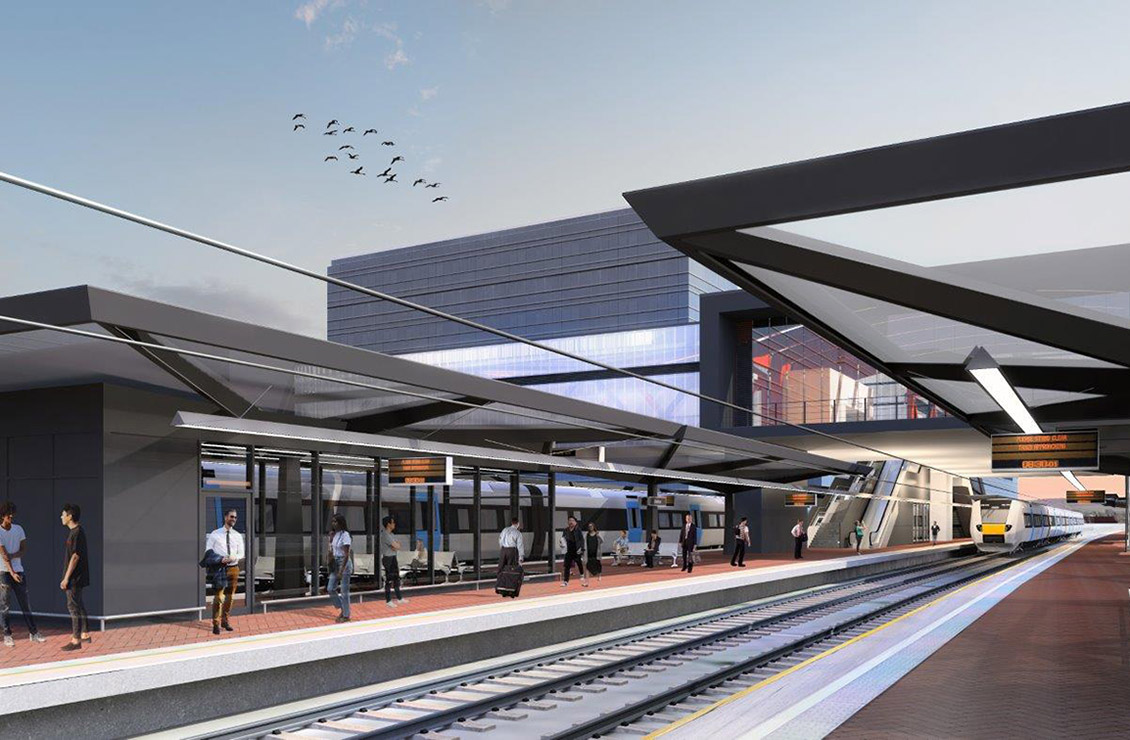
The most significant change this year is the establishment of Great British Railways (GBR), which has begun bringing the management of "track and train" under one roof. In June 2026, the brand-new Cambridge South station made history as the first to open with official GBR branding. Serving Europe’s largest biomedical campus, it features a "living" wildflower roof and solar panels, setting a new sustainable standard for the network. This unified approach aims to end the fragmentation of the past, ensuring that station facilities, ticketing, and platform management work in perfect sync.
Stations as "Housing Engines"
Under the updated National Planning Policy Framework (NPPF) of 2026, train stations are now the primary drivers of the UK’s "Golden Rules" for development. The government has introduced a "default yes" for high-density housing projects built within an 800-meter radius of well-connected stations. This strategy is expected to unlock space for over 1.2 million new homes, transforming quiet rural halts and busy commuter hubs into vibrant, "walkable" neighborhoods that reduce reliance on cars.
Accessibility and Modernization
Investment in the Access for All programme reached new heights this year. A flagship example is the £7.2 million upgrade at Horton-in-Ribblesdale, providing step-free access to one of the most scenic routes in the Yorkshire Dales. Meanwhile, major urban projects like the £140 million Darlington station transformation have opened, introducing state-of-the-art digital concourses and expanded capacity for high-speed services.
From the smallest rural platform to the sprawling cathedrals of glass and steel in London and Manchester, UK stations in 2026 are evolving into "destination hubs." They now offer everything from co-working spaces and grocery "click-and-collect" lockers to electric vehicle charging plazas, ensuring the railway remains the heartbeat of a modern, low-carbon Britain.