The Silent Crisis: Navigating Public Health Challenges in Developing Countries
In an era of rapid medical advancement, it is easy to view public health as a global success story. However, for many developing nations, the reality on the ground remains a stark contrast. From strained infrastructure to the persistent burden of infectious diseases, public health in these regions is a complex puzzle with high stakes.
The primary hurdle facing many developing countries is the lack of robust healthcare infrastructure. In many rural areas, distance is the greatest barrier to survival. Citizens often live hours away from the nearest clinic, which may lack consistent electricity, clean water, or basic diagnostic equipment. When a health emergency occurs, this "geographical distance" often translates into a death sentence.
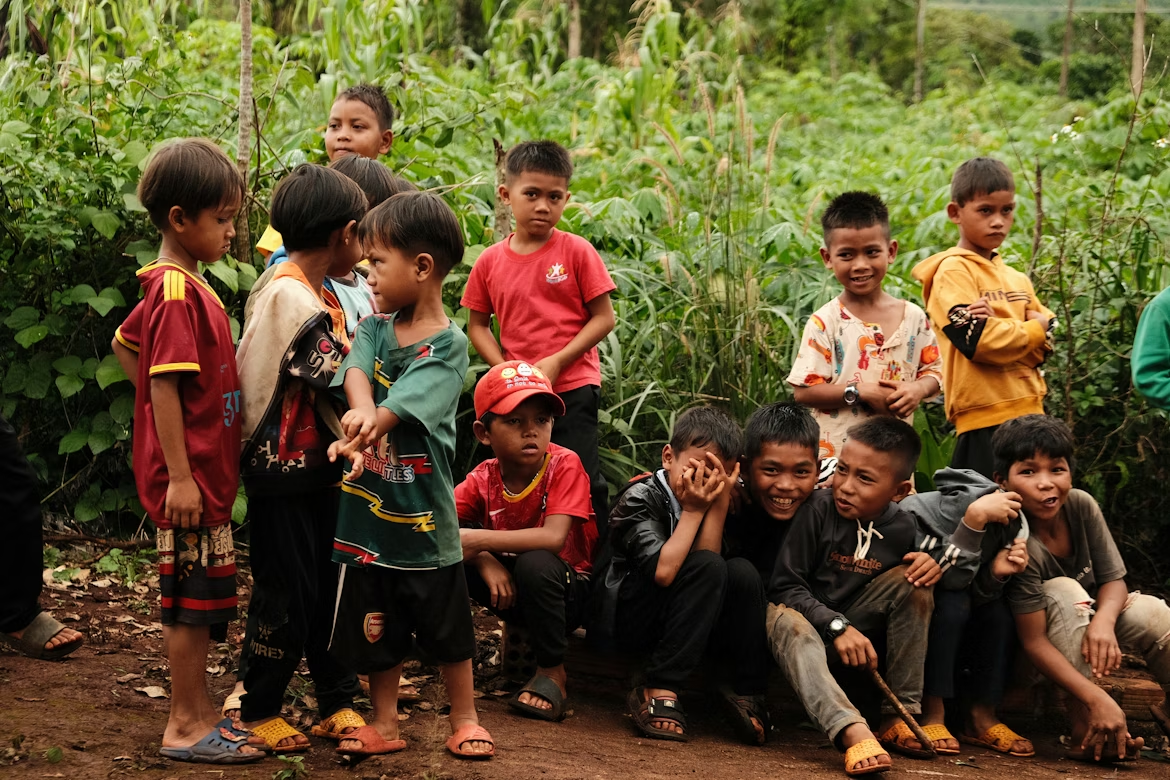
Furthermore, these systems are frequently caught in a “double burden” of disease. While international aid has historically focused on fighting infectious diseases like HIV/AIDS, tuberculosis, and malaria, these nations are now simultaneously grappling with a sharp rise in non-communicable diseases (NCDs) such as diabetes, cardiovascular issues, and cancer. Healthcare systems designed for acute care are ill-equipped to manage the long-term, expensive treatments required for chronic conditions.
Beyond the biomedical issues, socio-economic determinants act as powerful barriers. Poverty limits access to nutritional food, safe sanitation, and formal education—all of which are pillars of preventative health.
When families must choose between food and medicine, health inevitably loses. Additionally, the “brain drain”—the migration of skilled doctors and nurses from developing nations to wealthier ones—leaves local health sectors critically understaffed.
Addressing these challenges requires more than just donations of medicine. It demands investment in sustainable, community-based primary care, the expansion of digital health technologies, and stable governance.
Solving the public health crisis in developing countries is not just a moral imperative; it is essential for global stability. Only when we bridge the health divide can we truly claim to be a global community.