Allium Flowers: The Architectural Gems of the Garden
When you stroll through a spring garden, few displays command as much visual drama as a cluster of allium blooms. Often mistaken for ornamental onions, alliums belong to the Allium genus—relatives of garlic, chives, and leeks—but their towering, globe‑shaped inflorescences are pure ornamental artistry.
A Quick Botanical Snapshot
Alliums are perennials that grow from fleshy bulbs, producing narrow, strap‑like leaves in early spring. After a modest rosette, a sturdy scape shoots upward, culminating in a spherical dome of tightly packed, star‑shaped flowers.
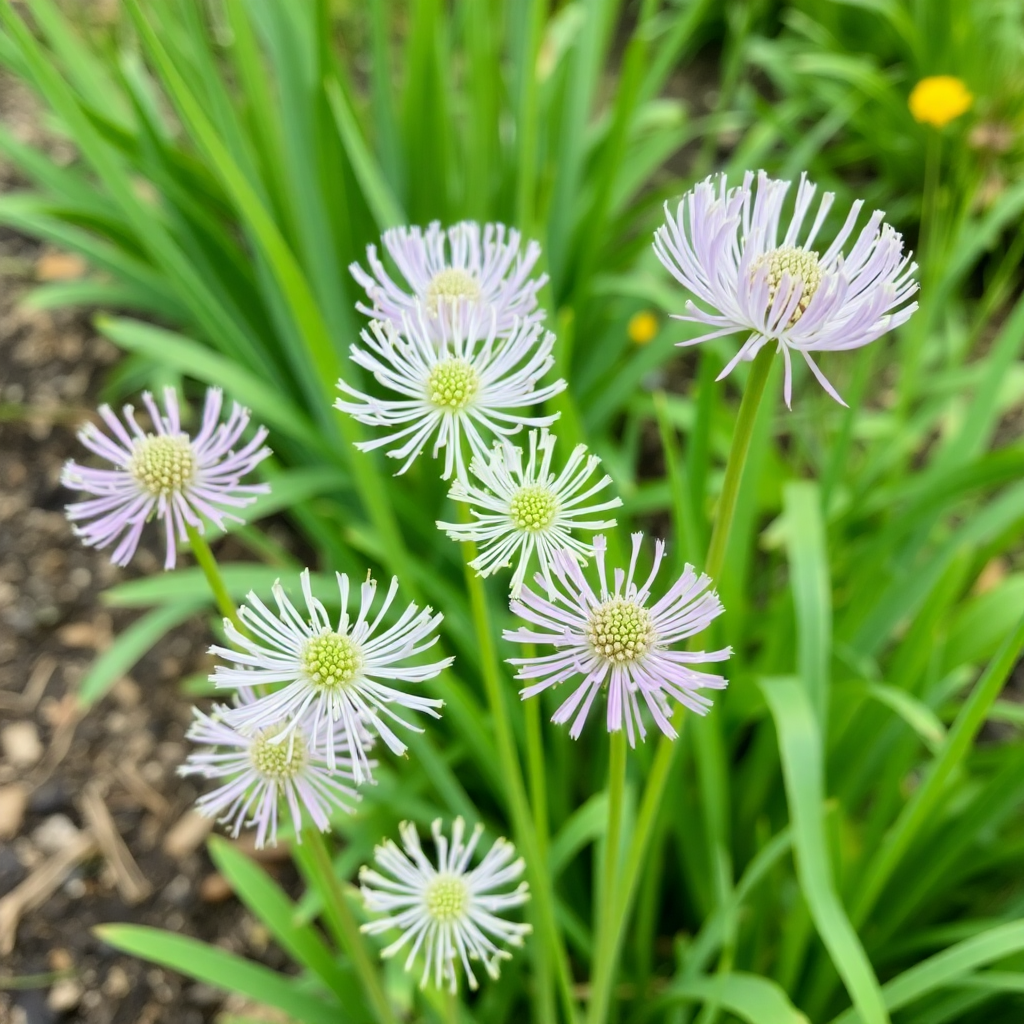
Colors span a vibrant spectrum: from deep indigo (e.g., Allium giganteum) and rich violet (A. christophii) to pale pink (A. farreri) and creamy white (A. ‘Purple Sensation’). Their bloom time typically falls between late May and early July, offering a mid‑season splash of texture that bridges early bulbs and late‑season perennials.
Design Magic
What sets alliums apart is their architectural form. The round, airy heads act like natural chandeliers, catching light and moving gracefully in the breeze. Plant them in groups of three or five for maximum impact; a trio of 3‑foot giants creates a striking focal point, while smaller 6‑inch varieties work beautifully as border fillers or container accents.
Pairing alliums with low‑lying foliage—lavender, sage, or ornamental grasses—heightens contrast and lets the globes truly “float” above the garden bed.
Practical Care Tips
- Soil: Well‑draining, loamy soil with a neutral to slightly alkaline pH.
- Sun: Full sun (minimum 6 hours) for the best flower production.
- Water: Water deeply after planting; once established, they tolerate moderate drought.
- Dividing: Every 3–4 years, lift and split the bulbs in late summer to prevent overcrowding and maintain vigor.
Symbolism & Uses
Beyond aesthetics, alliums carry meaning. In the language of flowers, they symbolize “bewilderment” and “protection,” thought to ward off negative energies—an apt nod to their hardy, pest‑resistant nature. Culinary enthusiasts also appreciate the edible leaves of certain species (e.g., chives) but most garden varieties are strictly decorative.
Bottom line: With their sculptural elegance, low maintenance, and ability to draw the eye across any landscape, allium flowers are the unsung architects of seasonal beauty. Plant a few this spring, and watch your garden gain a bold, timeless silhouette that will keep neighbors guessing—“What are those stunning purple balls?”—until the very last bloom fades.