Discover the Timeless Beauty of the Blooming Laurel Flower
Few plants capture the essence of woodland elegance quite like the laurel. Whether you are admiring the sprawling shrubs of Kalmia latifolia (Mountain Laurel) or the classic Mediterranean Laurus nobilis, the blooming laurel flower is a true showstopper in the world of horticulture.
What Makes the Laurel Flower So Special?
Blooming typically in late spring to early summer, laurel flowers are famous for their intricate geometry. If you look closely at a Mountain Laurel blossom, you will find a delicate, cup-shaped masterpiece adorned with unique pink and purple markings.
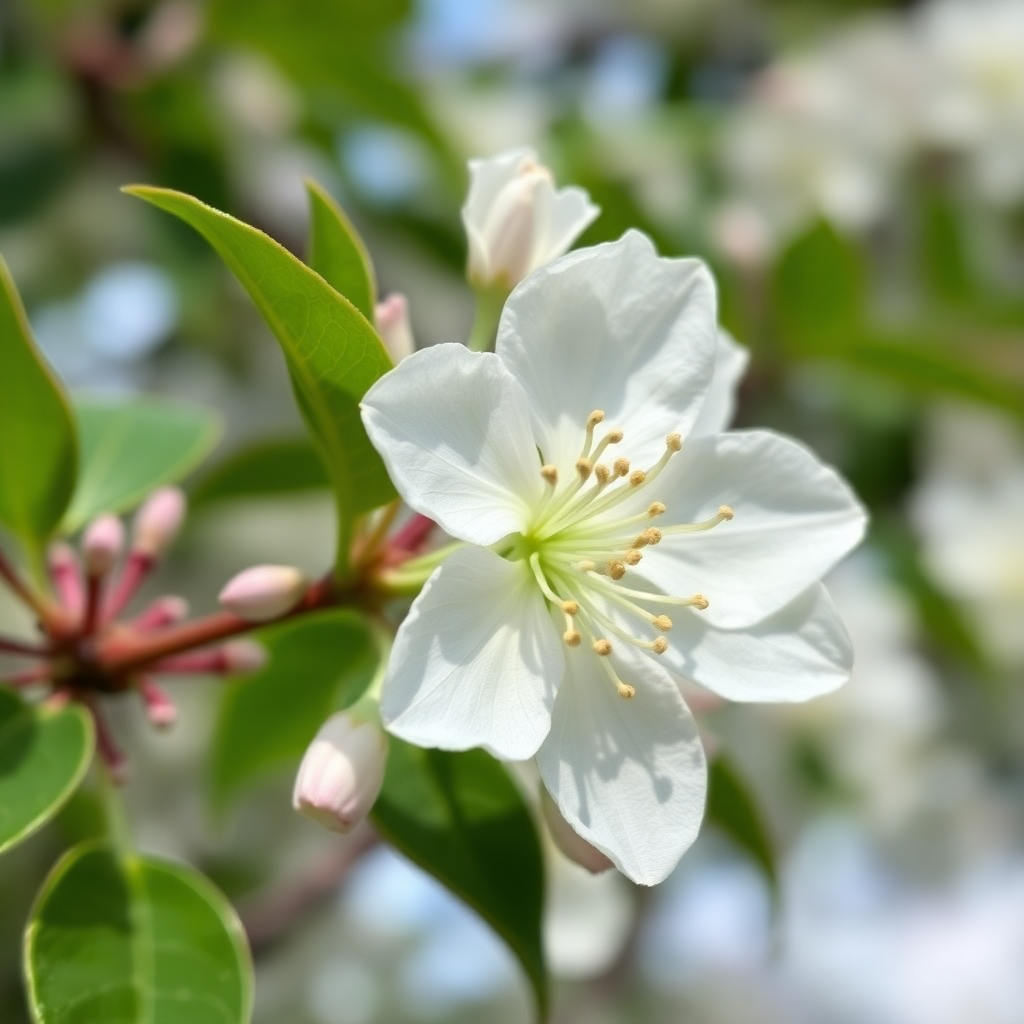
These blossoms do not just look pretty; they are botanical engineers. The flower’s stamens are actually held under tension, waiting for a visiting insect to trigger them—releasing a burst of pollen in a fascinating display of natural adaptation.
Varieties to Consider
- Mountain Laurel (Kalmia latifolia): Native to eastern North America, this evergreen shrub bursts into clusters of white, pink, and deep rose blooms, earning it titles like "poon hill" and "spoonwood."
- Cherry Laurel: Known for fragrant, creamy-white flower spikes that attract a flurry of beneficial pollinators to the garden.
Growing Tips for Your Garden
If you want to enjoy these stunning blooms in your own yard, keep these quick tips in mind:
- Soil: Laurels thrive in acidic, well-draining soil rich in organic matter.
- Sunlight: They prefer partial shade, mimicking their native woodland understory habitats, though they can handle full sun in cooler climates.
- Mulching: Because they have shallow root systems, a generous layer of pine bark mulch helps retain moisture and keeps their roots cool.
With their glossy evergreen foliage and breathtaking seasonal flower clusters, adding a blooming laurel to your landscape guarantees year-round beauty and a touch of wild, natural charm.