The Snowdrop: Nature’s Courageous Herald of Spring
As the biting winds of winter begin to lose their edge, a quiet miracle unfolds beneath the frost-covered earth. Among the first signs of life to pierce through the lingering snow is the delicate, pearl-like Snowdrop (Galanthus).
Often dismissed by the casual observer, this humble bloom carries a profound message of resilience, hope, and the inevitable return of vitality.
The snowdrop is more than just a botanical curiosity; it is a master of survival. Equipped with an "antifreeze" protein in its petals and leaves, it thrives in temperatures that would wither most other flora.
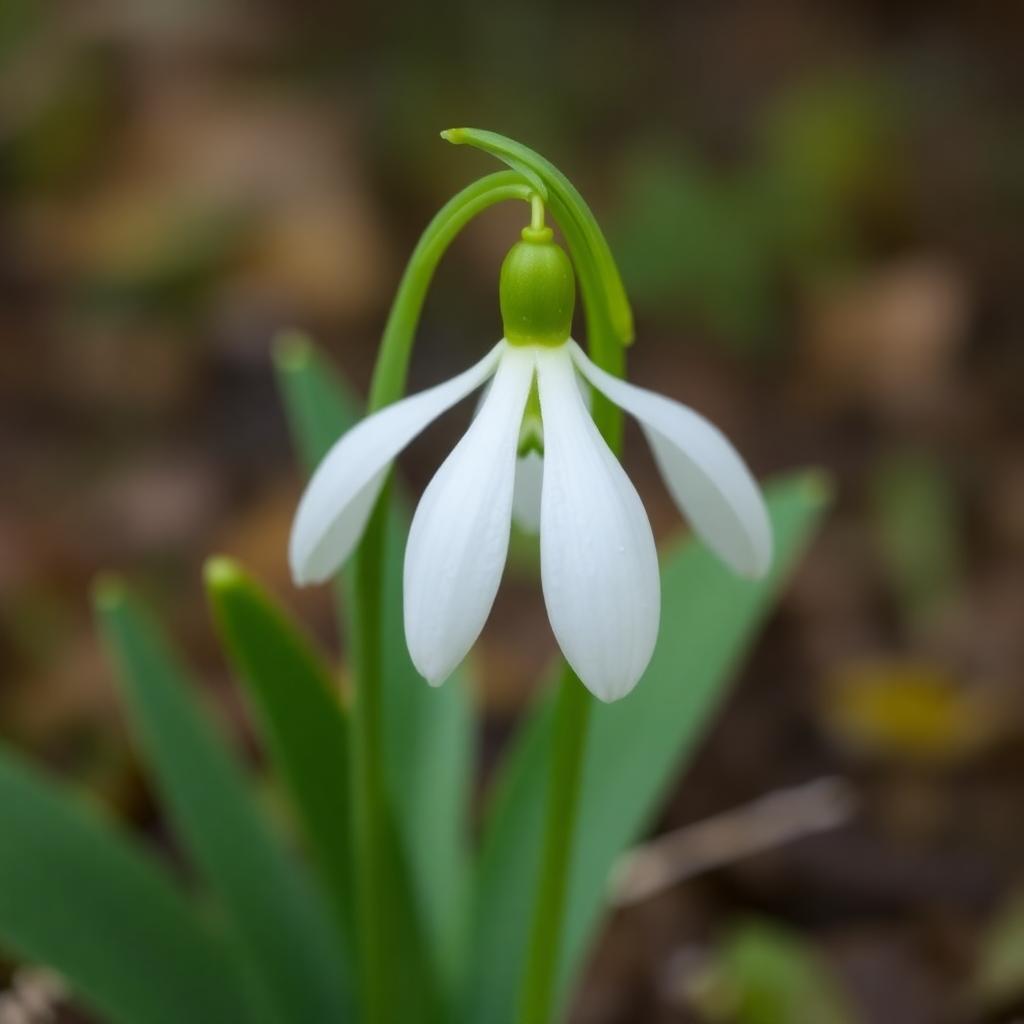
Its name, derived from the Greek gala (milk) and anthos (flower), perfectly captures its pristine, drooping white bell shape. To see a carpet of snowdrops emerging in late January or February is a stark reminder that even in the harshest of seasons, life finds a way to persevere.
In folklore, the snowdrop is regarded as a symbol of consolation and purification. Victorian gardeners cherished them as "fair maids of February," viewing them as a symbol of purity that heralded the end of the dark, cold nights.
Today, they remain a favorite for gardeners looking to bring early color to woodland settings or shaded garden corners. They require very little maintenance, naturalizing beautifully over time to form dense, glistening clusters that light up the gloom of late winter.
If you are looking to cultivate these early risers, remember that they are best planted "in the green"—meaning while they are still actively growing after flowering. Once established, they become a perennial promise that winter’s grip is loosening.
The next time you spot these tiny white heads bowing against a backdrop of frost, take a moment to pause. The snowdrop teaches us that beauty does not shy away from challenges; instead, it blooms courageously in the face of them.