Forsythia: The Golden Harbinger of Spring
When winter finally loosens its icy grip, the first bold splash of colour that often greets us is the sunny, trumpet‑shaped bloom of the Forsytha † (Forsythia spp.). Known affectionately as “the plant that says ‘Spring is coming!’”, Forsythia is more than just a pretty face on the garden hedge—it’s a botanical story of resilience, history, and practical charm.
A Quick Botanical Snapshot
Forsythia belongs to the Oleaceae family, the same clan as olives and lilacs. Native to East Asia (China, Korea, Japan) and parts of the eastern United States, the genus includes about a dozen species, the most common being Forsythia × intermedia, a hardy hybrid prized for its abundant, bright‑yellow flowers that unfurl on bare stems as early as late February in temperate zones.
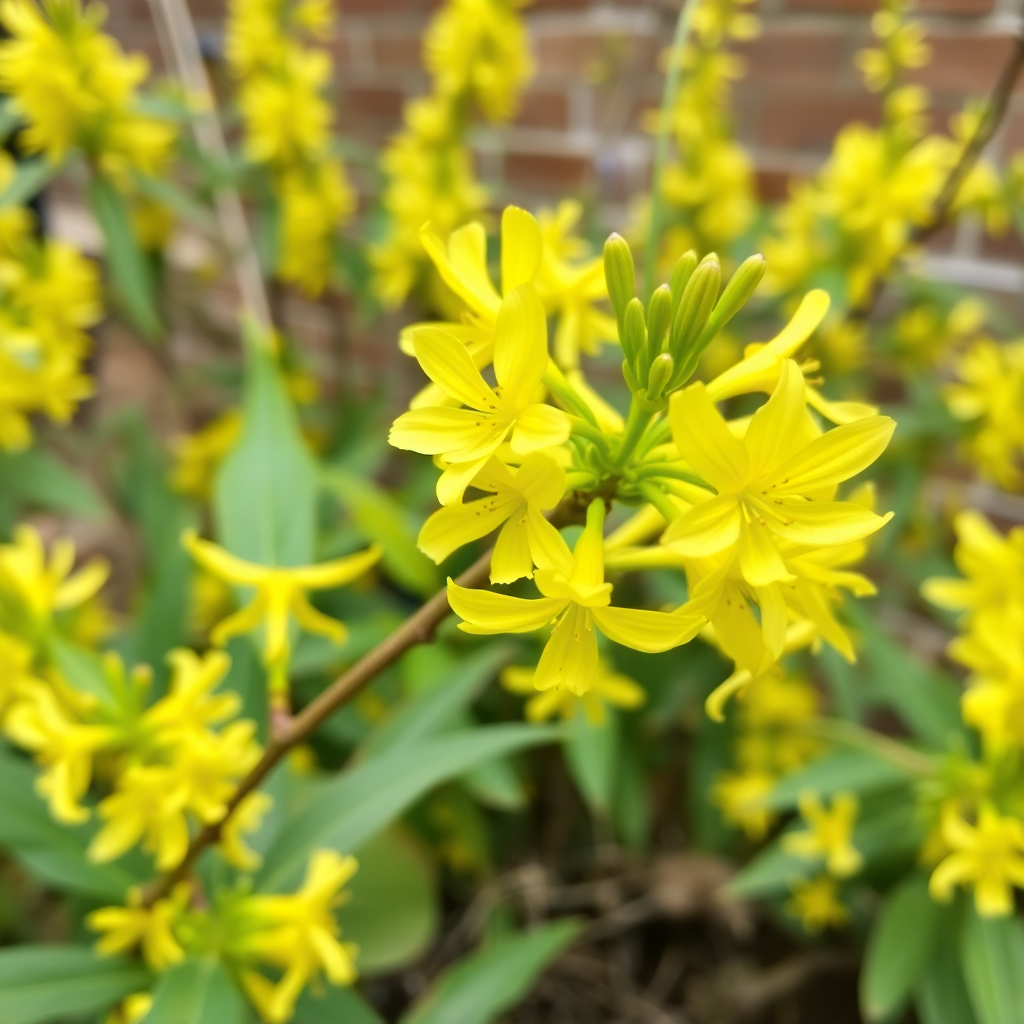
Why the Yellow?
The vivid yellow pigment, called flavonoid, acts as a natural sunscreen, protecting the tender buds from harsh ultraviolet rays before the leaf canopy has formed. This evolutionary trick lets the plant make the most of a brief, sun‑rich window, ensuring pollinators have a food source when few others are in bloom.
Garden Uses & Design Tips
Hedge or screen: Prune yearly to maintain a tidy, dense barrier that also delivers a seasonal fireworks display.
Specimen plant: Plant a single, well‑spaced shrub in a bright corner for a dramatic focal point.
Container gardening: Dwarf varieties like ‘Kobold’ thrive in large pots, making them perfect for patios or balcony gardens.
When pruning, wait until after the flowering period (late spring) to avoid cutting off next year’s buds. Cut back hard, removing about one‑third of the older wood, and shape with a sharp, clean pair of shears.
Symbolism & Cultural Footnotes
In the language of flowers, Forsytha represents anticipation and renewal. In Chinese culture, its golden bloom is linked to wealth and prosperity, while in Europe it has long been a herald of the Easter season.
A Small Care Checklist
| Requirement | Detail |
|---|---|
| Sunlight | Full sun (6+ hrs) |
| Soil | Well‑drained, slightly acidic to neutral |
| Water | Moderate; keep soil moist but not waterlogged |
| Fertilizer | Light spring feeding with a balanced N‑P‑K |
Whether you’re a seasoned horticulturist or a balcony‑dweller looking for a splash of optimism, Forsythia offers a low‑maintenance, high‑impact burst of colour that announces spring with unapologetic confidence. Plant a few, watch the golden bells bloom, and let nature’s earliest fireworks set the tone for the growing season ahead. 🌼✨