forget‑me‑nots : Gardeners love the plant for its low maintenance and versatility
Delicate, sky‑blue blossoms that seem to whisper a promise: remember. The forget‑me‑not (Myosotis) has been charming gardeners and poets for centuries, and its tiny, star‑shaped flowers carry a surprisingly rich history.
Native to temperate regions of Europe, Asia and North America, the most familiar species – Myosotis sylvatica – thrives in woodland edges, riverbanks and, of course, cultivated beds. Each stem bears a loose spray of five‑petaled flowers, usually blue but occasionally pink, white or yellow, each centered by a golden throat that catches the sun.
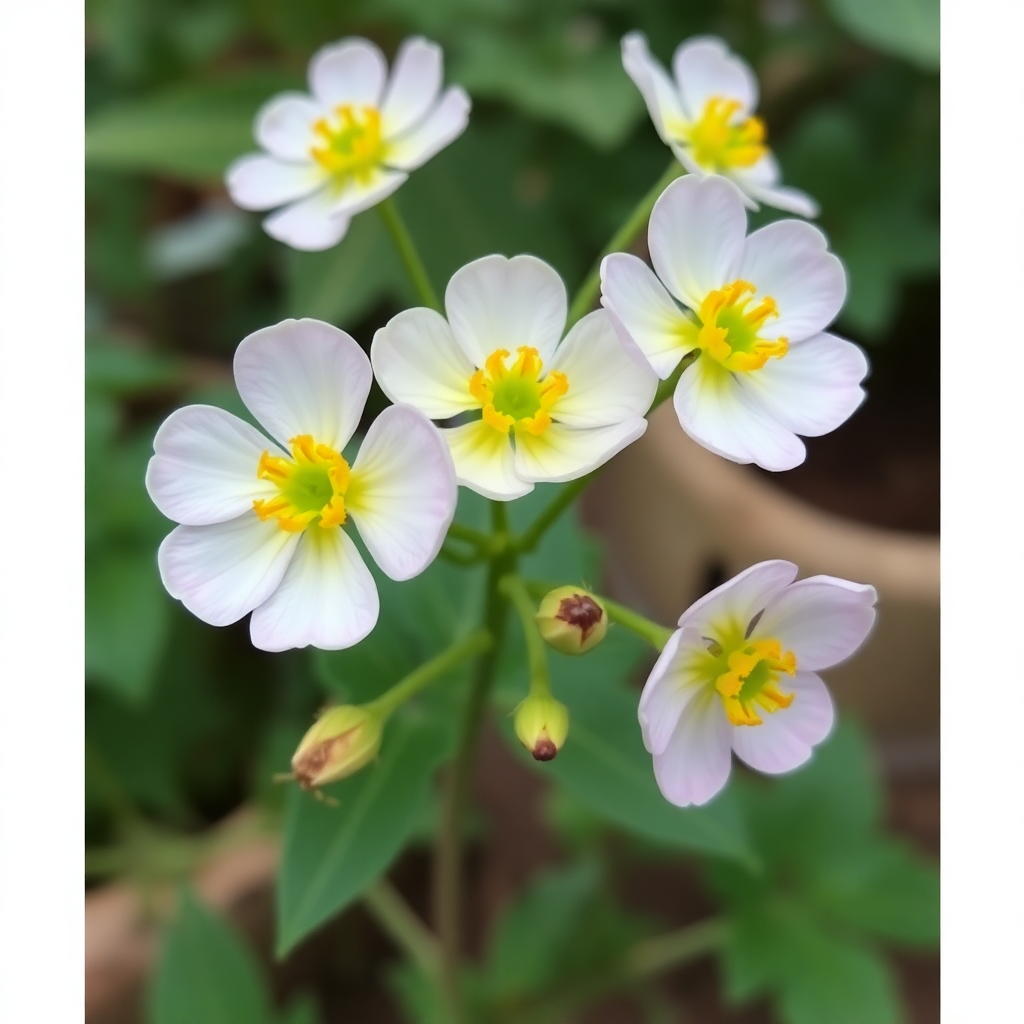
The plant’s name derives from the Greek “myos” (mouse) and “otis” (ear), referring to the small, mouse‑ear‑shaped leaves that form a basal rosette.
Beyond its beauty, the forget‑me‑not is steeped in symbolism. In the language of flowers, it signifies true love, remembrance and fidelity – a sentiment that made it a favorite token during World War I, when soldiers wore them as a reminder of home. In Scandinavia, the blossoms are linked to the legend of a young maiden who, while gathering the flowers for a lover, fell into a river and drowned, her last words urging “remember me”.
Gardeners love the plant for its low maintenance and versatility. It prefers partial shade, moist, well‑drained soil, and a cool climate; however, hardy cultivars can tolerate full sun if watered regularly. Plant seeds in early spring, lightly covering them, and thin seedlings to 6‑8 inches apart. Once established, the plant self‑seeds generously, creating a natural carpet that can soften borders or fill the gaps between larger perennials.
Whether you’re planting a memory garden, adding a splash of blue to a cottage border, or simply admiring its poetic heritage, the forget‑me‑not invites us to pause, breathe, and hold dear the moments that might otherwise slip away. Let these tiny blossoms remind us: love endures, memories bloom.
Wow, these roses are so beautiful! They give a stunning look to the house with their lovely white color. Best of luck to everyone, my brother.