The ‘Princess Anne’ Rose: A Regal Bloomer That Marries History and Elegance
When you think of roses, you often picture the classic red “Queen of Flowers” or the soft pink blush of a garden favorite. Yet among the countless cultivars, one stands out for its royal pedigree and timeless charm: the Princess Anne rose.
Bred in the United Kingdom during the early 1970s, this English shrub rose was named in honor of Princess Anne, the beloved daughter of Queen Elizabeth II, whose grace and tenacity perfectly echo the flower’s own character.
A Brief History
The Princess Anne was introduced to the market by the legendary David Austin, the man credited with reviving old‑world rose aesthetics while infusing them with modern vigor. Austin’s goal was simple: create a rose that combined the fragrance and form of historic varieties with the repeat‑blooming habit of contemporary hybrids.
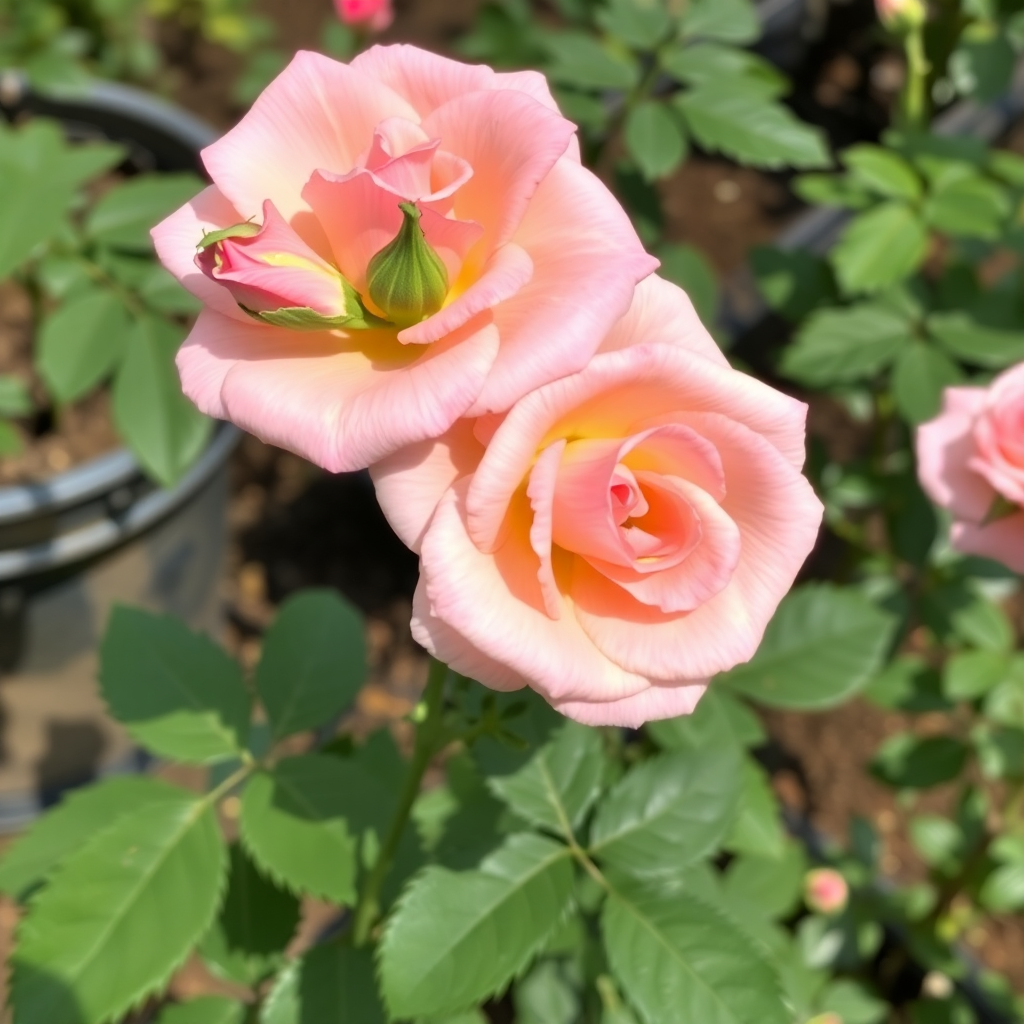
In 1970, his vision blossomed into the Princess Anne—a tribute that quickly earned a place in both private gardens and public displays across Britain and beyond.
What Makes It Special?
- Form & Colour: The blooms are medium‑sized, cup‑shaped, and display a delicate, creamy ivory hue that deepens to a soft peach in full sun. Their gentle shading makes the Princess Anne an excellent backdrop for bolder, more saturated roses.
- Fragrance: A light, tea‑scented aroma drifts from each flower, subtle enough not to overpower a garden’s overall perfume palette.
- Growth Habit: A compact, upright shrub, it reaches 3‑4 ft in height and spreads roughly the same width—ideal for borders, mixed borders, or container planting. Its strong, arching canes are disease‑resistant, especially against common black spot and powdery mildew.
- Seasonality: The plant is a prolific repeat‑bloomer, offering flushes of flowers from late spring through the first hard frost, ensuring a continuous splash of colour.
Cultivation Tips
Plant the Princess Anne in well‑draining soil with a sunny exposure (at least six hours of direct light). Amend the ground with compost or well‑rotted manure to encourage robust growth. Prune lightly after each bloom cycle to maintain shape and promote air circulation—this also stimulates the next wave of buds.
Why It Resonates
Beyond its horticultural merits, the Princess Anne rose embodies a quiet dignity that mirrors its namesake’s public service and poise. Its understated elegance makes it a favorite among gardeners who prefer classic beauty over flashier, high‑maintenance varieties.
If you’re seeking a rose that offers both historic allure and reliable performance, the Princess Anne stands as a regal choice—one that will continue to bloom gracefully in your garden for years to come.