Blockchain-Based Digital Identity Verification
Identity verification is a crucial part of today's digital era. The Internet is utilized to manage finances, to learn, to shop, to get medical attention, to communicate with the government, and for numerous other purposes. To address this need, there is an increasing demand for an authentic way to establish online identity. Conventional identity verification systems typically rely on centralized databases managed by government entities, financial institutions, companies, or other organizations. These systems can operate but also suffer from the issues of data theft, identity fraud, information loss and unauthorized access. Digital identity verification via blockchain technology is an alternative way.
Blockchain is a digital system that enables the storing of information on a number of computers rather than a single one. The data kept on a blockchain is made up of blocks, which are linked together. When information is well documented, it can be very challenging to make changes without permission. This is where blockchain can come in handy for securing critical digital data. For digital identity verification, blockchain can provide individuals with a secure and trustworthy method to verify their identity.
Digital identity is a blockchain application that enables linking a person's identity info to a secure digital identity. This identity could include details like name, date of birth, educational background, professional certificates, or other details required for verification. The information can be verified to be authentic, rather than each organization having its own copy. The person may have greater control over the use of their identity, such as timing and location, etc.
Security is one of the major benefits of this system. Conventional identity databases can be an appealing target for hackers given that a lot of personal information might be contained in a single location. Attacks to such a database could allow a large number of people to have their information revealed. This type of risk is mitigated with the use of a distributed system, as is done in the case of blockchain. Cryptographic techniques can be used to safeguard information and verification records. This is one of the best arguments I can think of for the fact that blockchain could be effective for digital identity management.
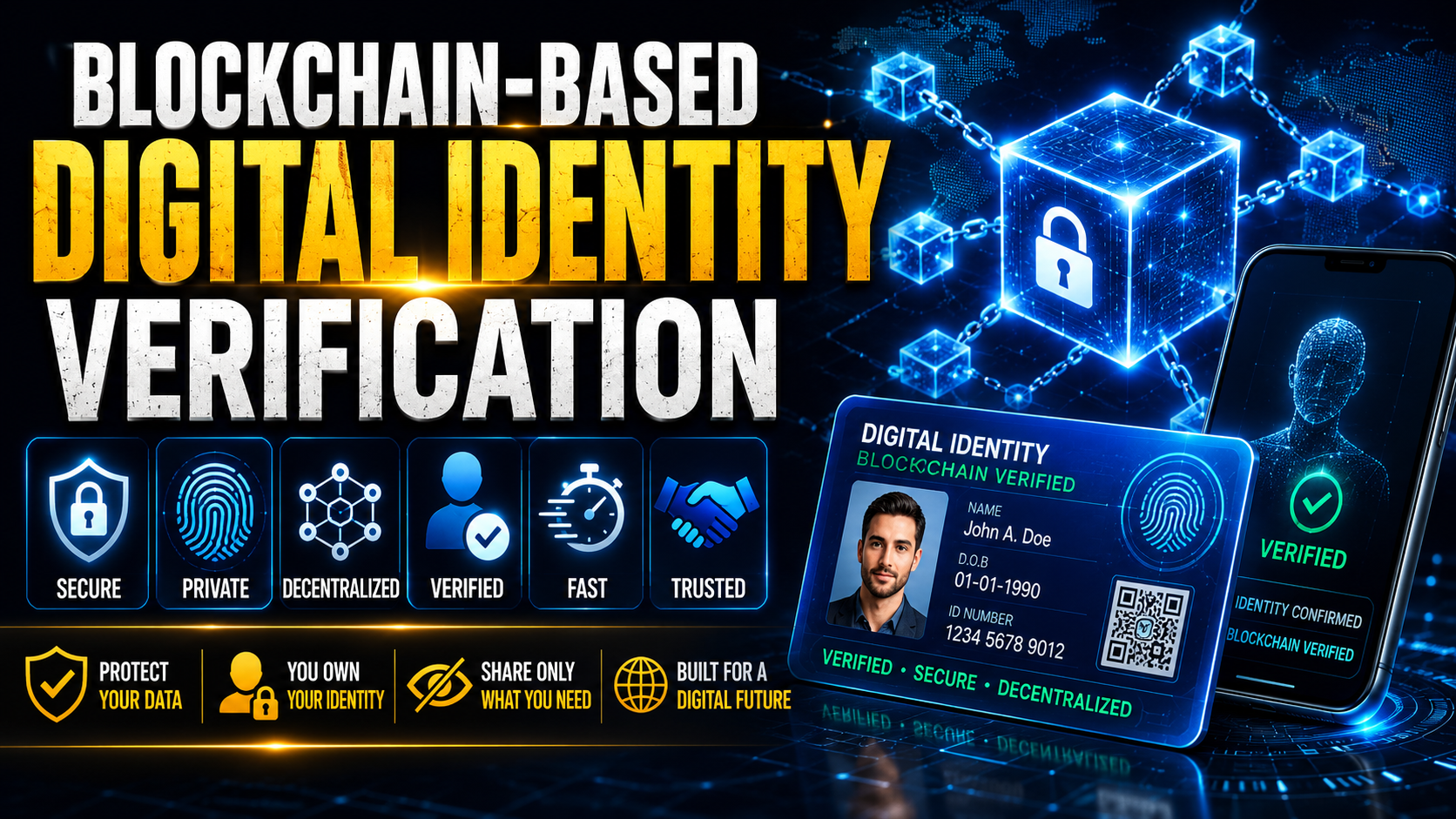
One of the other significant advantages is to prevent identity fraud. Identity fraud is when someone uses another person's information in order to impersonate that person. For instance, an individual could use the stolen personal data to open an account or access a service. By verifying the authenticity of identity information with blockchain, organizations can be sure that the information is accurate before accepting it. Relating a person's digital identity to trusted records makes it more difficult for someone to make a fake identity.
Blockchain also has the potential to accelerate the verification process. When applying for various services, individuals might have to present the same paperwork several times these days. A person can give a bank, a school, an employer or a government office an identification document. This may take time and cause unnecessary paperwork. Having a digital identity system would allow an individual to establish their identity digitally without the need to repeatedly present physical documents. This may save time for both the person and organization.
One of the key benefits is transparency. Blockchain generates records that are verifiable and checkable. If an identity is verified by an authorized organization, a record of the verification process can be established. This could enhance people-to-people, business-to-business and government-to-people trust. But transparency does not imply that all personal data should be open to all. It is essential that a good blockchain identity system is able to safeguard private information and only let those who are authorized by the system have access to what they need.
Privacy is consequently a key aspect of blockchain digital identity verification. The control of personal information is the right of people. For instance, if an individual only has to show that they are over a specific age, it may not be necessary to disclose date of birth. New digital identity systems can be developed to only provide the required information. It is sometimes referred to as selective disclosure. It can minimize personal data collected by and stored by organizations.
It can also be a helpful thing in banking and financial services with blockchain identity verification. Certain services require identification from banks to know their customers. This is called Know Your Customer or KYC. With the help of blockchain, the entire KYC procedure may become simpler by enabling the reuse of verified identity data, if permission is granted, with the added benefit of retaining an immutable record. This may help to minimize repeated tests and decrease cost, while simultaneously improving financial services.
The technology can also be applied in the field of education and employment. Digital certificates could be issued by universities, and verified using a blockchain system. Employers would then be able to verify the authenticity of the certificate without relying solely on manual procedures. This will help curb bogus academic qualifications. This could be applied to professional licenses and training certificates as well.
While blockchain technology can offer many advantages for digital identity verification, there are also some drawbacks. Some of the difficulties are that blockchain technology is not necessarily easy for some people and organizations to understand. Other issues with privacy, legal regulations, technical requirements, and the expense of construction and implementation are also a concern. The other critical issue is blockchain's verifiability doesn't necessarily mean that it can determine if the original information was truthful. The blockchain can also continue to maintain false information when it's entered at the outset.
But there's also the issue of losing access to a digital identity. When a user loses key security data necessary for access to his identity, it may be hard to recover the account. For this reason, identity systems must have a robust recovery mechanism and yet remain secure to users from fraudsters.
Overall, blockchain-based digital identity verification can revolutionize the way individuals verify their identities online. It can enhance security, prevent identity theft, boost efficiency, aid privacy and allow individuals to exercise greater control over their own personal information. I think that as more services migrate online, the technology can be useful. But, blockchain is not the cure-all solution. Governments, technology providers, financial institutions and other entities need to collaborate and develop a secure, simple, private and easy-to-use system. With these challenges addressed in the appropriate manner, blockchain can be a significant component of a more secure and trustworthy digital future.
Note:-
Regards, @adeljose