Track your expenses: the first step many people avoid
Today I want to share one of those ideas with you, something that has personally changed the way I view my finances, and it's that phrase that many of you have surely heard: we can't optimize what we don't measure. It sounds logical, almost obvious, but the reality is that most people live without a clear understanding of their own numbers, and that makes it quite difficult to move forward.
Let's think about this calmly: how can we expect to improve our financial situation if we don't even know exactly how much we actually earn each month? And worse yet, what if we don't know where our money goes? We often think we have a general idea, that we more or less have things under control, but when we sit down to review it in detail, the story is usually quite different. Small expenses, impulse purchases, subscriptions we never use… all of that adds up, and in the end, it ends up being more than we imagined.
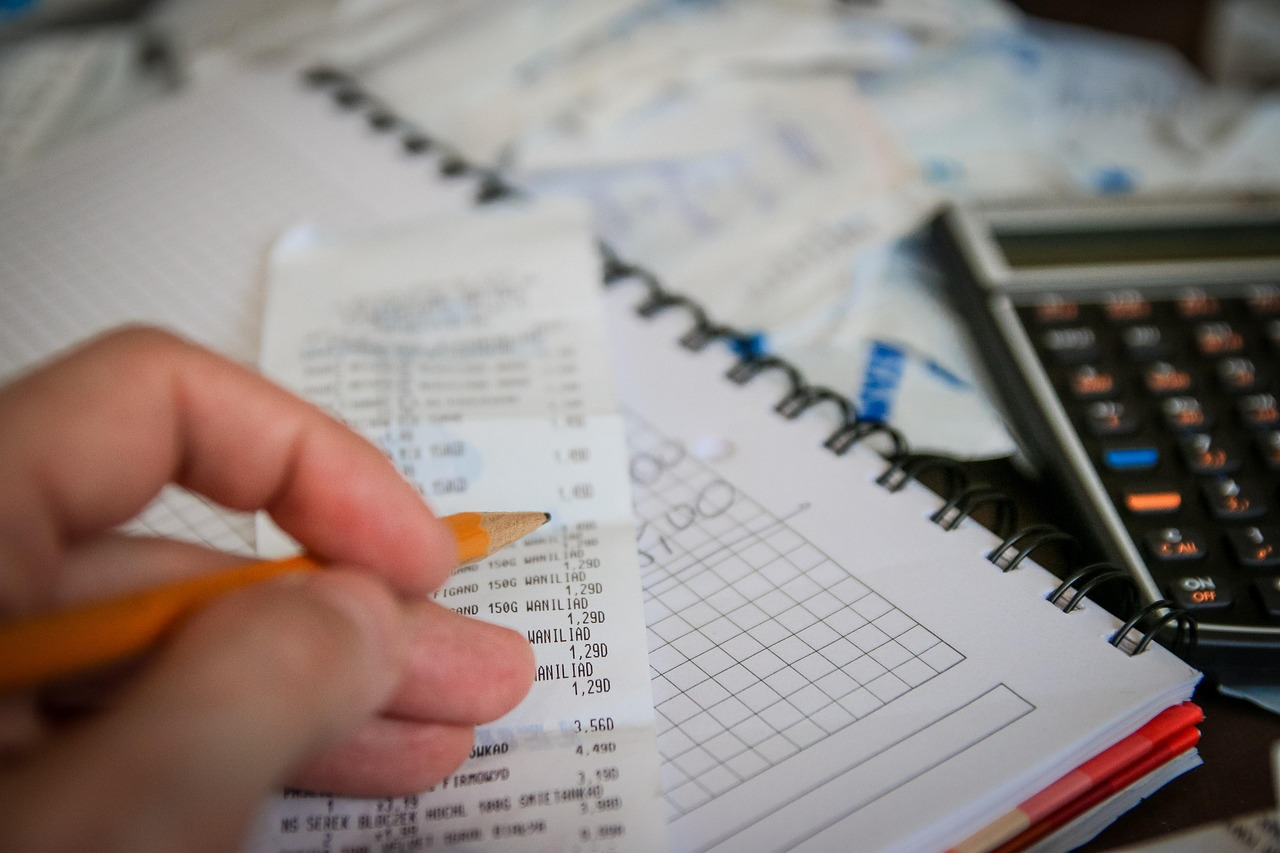
A while ago, I decided to do something that, frankly, I was a little reluctant to do: organize my expenses. It wasn't anything complicated; I simply started writing down what came in and what went out. At first, it was uncomfortable because it forces you to face reality, without excuses. But that's where I began to understand many things that had previously gone unnoticed.
I realized that it wasn't so much a problem of income, but of management. And this is key. Because many times we think that the solution is to earn more money, when in reality, if we don't know how to manage what we already have, earning more only amplifies the problem.
From then on, I started prioritizing something I used to leave for "when there was money left over": saving and investing. And here's an important point: it's not about saving whatever's left over, but about setting aside a portion for that purpose first, and then organizing the rest. Changing that order makes all the difference.
By thinking long-term, which is something we don't always do, I started seeing results. Not overnight, obviously, but gradually. It's like building something little by little, where every small contribution adds up. And the interesting thing is that I didn't feel like I was sacrificing my life; on the contrary, I was simply prioritizing better.
You start creating a space within your finances where saving and investing are no longer optional, but part of the system. And that provides a priceless peace of mind. Because it's not just the money itself; it's the feeling of having some control, of knowing that you're building something for the future.
And this impacts more areas of life than you might think. Having a financial foundation, even a modest one, gives you room to think more clearly, to make decisions with less pressure, and even to see opportunities you simply missed before because you were focused on just getting by.
In the end, it all comes down to the same thing: measuring. Knowing where you stand. Because without that, any attempt to improve is like shooting in the dark. You might get lucky, yes, but most likely you won't make much progress.
It's a simple but powerful concept. And as I always say, this is just my experience; everyone adapts it to their own situation, but it's worth a try. Sometimes, the most important changes start with something as basic as writing down where our money goes. Goodbye, take care.


https://x.com/i/status/2041827616009724014
https://x.com/i/status/2041827052995707192
Note:-
Regards, @adeljose