Cryptocurrency and inflation
Assalamu Alaikum
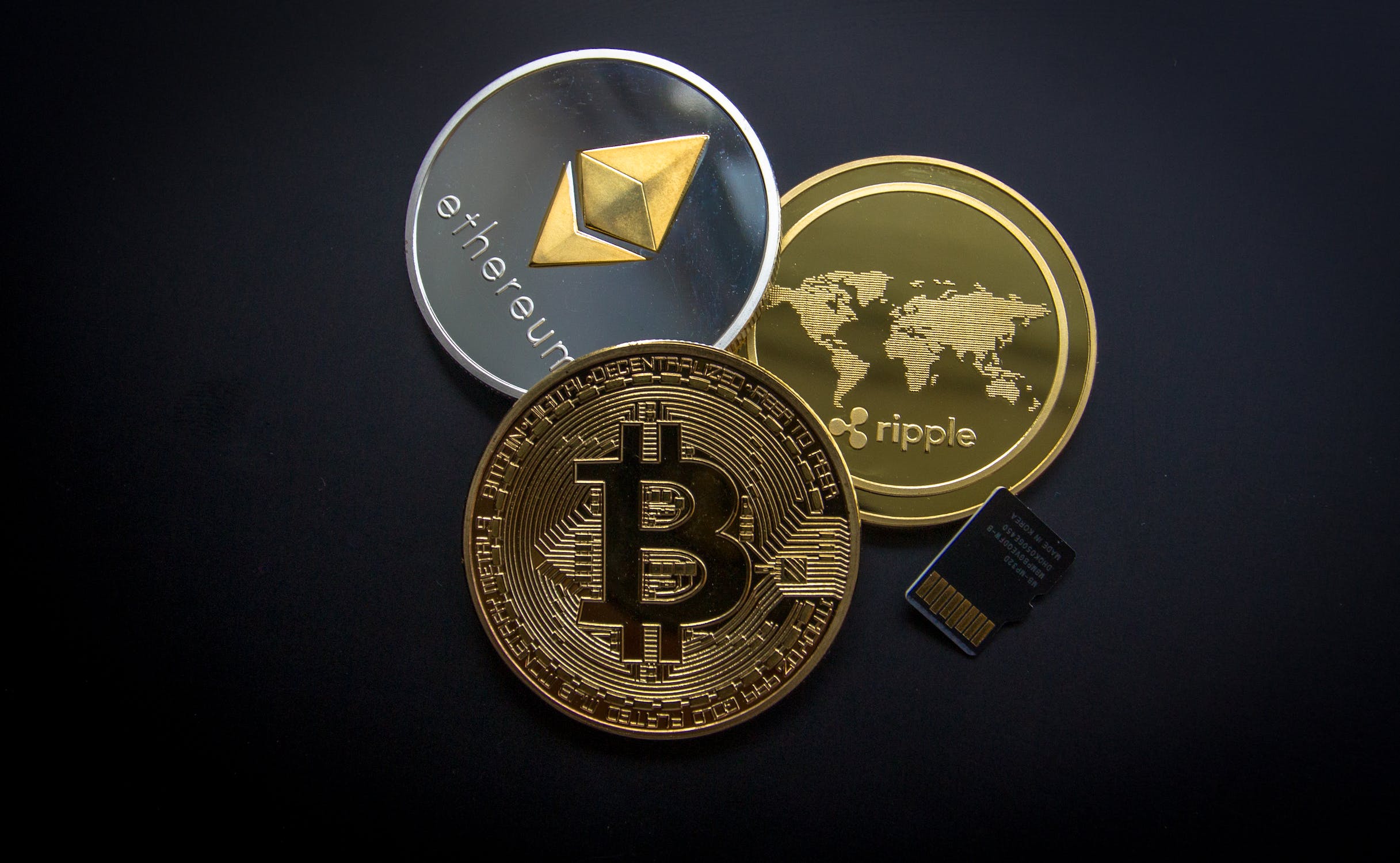
Inflation is an economic process in which the purchasing power of conventional paper currency (such as money or dollars) in the market increases over time due to an excessive increase in the supply, causing that currency to decrease over time and the prices of goods to increase. When central banks around the world started printing money in large quantities after the Corona pandemic and the subsequent global geopolitical crisis, inflation took an extreme form. To protect their hard-earned wealth from the eroding effects of this conventional inflation, investors are now looking for an alternative wall called cryptocurrency. In particular, Bitcoin is now being considered as a digital form of traditional gold or 'digital gold'. The main secret of how cryptocurrency prevents inflation is hidden in its mathematical code and controlled supply system. The supply of the US dollar or any paper currency is infinite; if the government wants, it can reduce its value by printing new notes at any time. But this is impossible in the case of Bitcoin. Bitcoin's coding clearly states that only 21 million (20 million) Bitcoins can ever be created in the world, not more than one. Due to this eternal scarcity, when the value of paper currency in the market decreases, the price of a given supply of Bitcoin increases exponentially. In addition, another powerful weapon of Bitcoin is its 'Halving' mechanism. Every four years, the code automatically halves the speed of creating new Bitcoins, or the reward for miners. As a result, the amount or supply of new coins entering the market is constantly decreasing, which exhibits the opposite (deflationary) behavior of traditional currencies. While the annual supply of dollars is increasing, the inflation rate of Bitcoin is constantly decreasing according to the rules of the code. In addition to Bitcoin, some other cryptocurrencies (such as Ethereum) reduce the supply of coins by burning a portion of transactions on their network, which helps combat inflation. However, this inflation-proofing ability of cryptocurrencies also has some major challenges and controversies. Its biggest weakness is its extreme price fluctuations or volatility. In the short term, the price of the crypto market fluctuates so rapidly that it is not always effective in protecting the daily living expenses of ordinary people. When the crypto market goes through a major recession or 'bear market', the price of crypto can fall even if inflation increases. In short, the relationship between cryptocurrencies and inflation is a battle of perfect mathematical code against a flawed human system. While price volatility is a risk in the short term, in the long term, regulated and limited supply cryptocurrencies have become a powerful revolutionary alternative for people around the world to escape the depreciating fiat currency and preserve their financial freedom and wealth. Today's discussion concludes here. I hope you've found it interesting. Please share your thoughts on today's topic. Prayers for everyone. May everyone be well. Amen.

Twitter
High-Yield Curation by @steem-seven
Your content has been supported!
Maximize your passive income!
Delegate your SP to us and earn high rewards
Click here to see our Tiered Reward System
We are the hope!
https://x.com/i/status/2075122792522248390
https://x.com/i/status/2074744145030357464
https://x.com/i/status/2075123026883154129