MIGRATORY SPECIES DURING THE FIRST RAINS
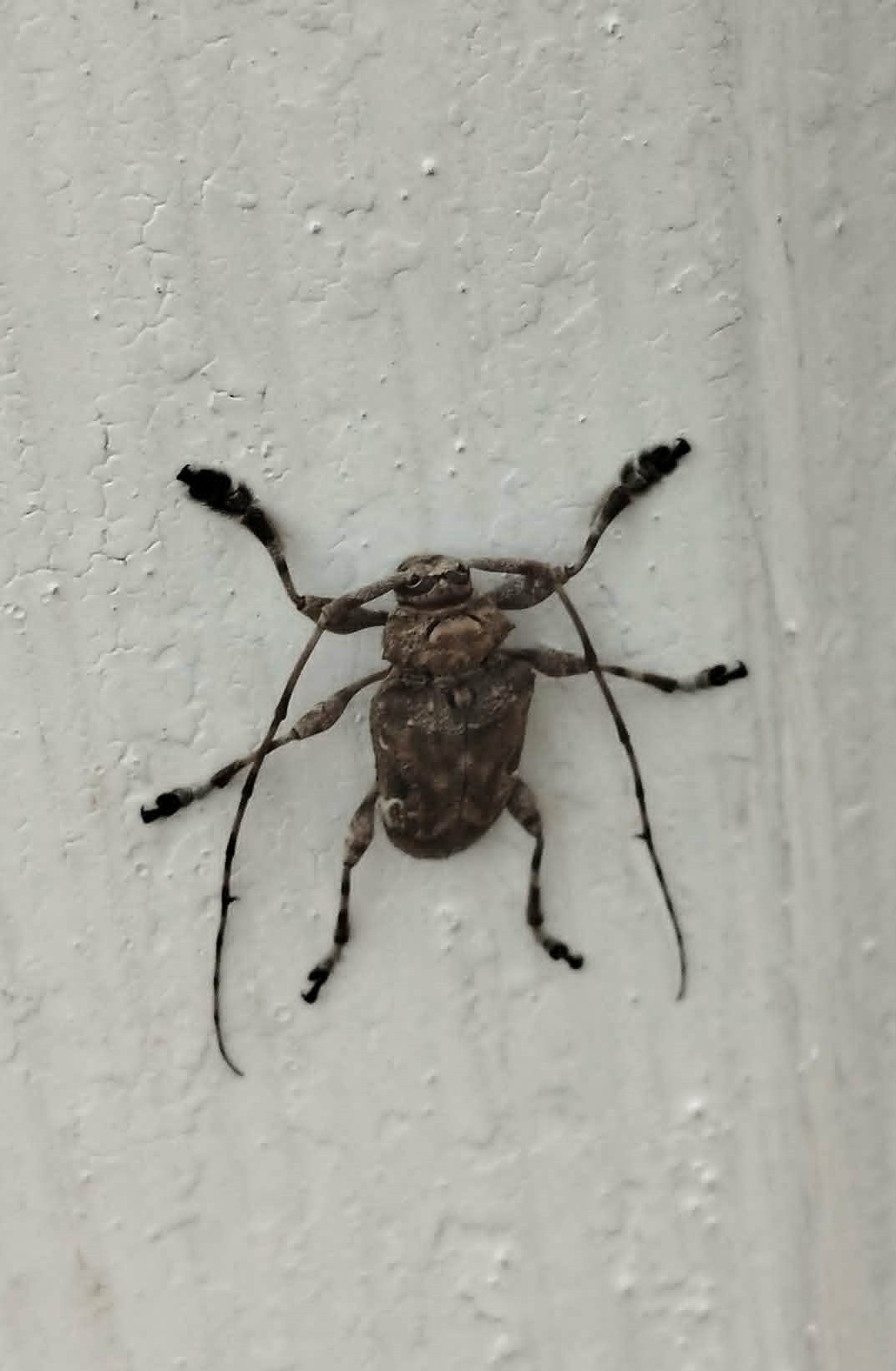
Hello everyone, good morning. I hope you're having a wonderful weekend, and even better if you're enjoying a pleasant place in contact with Mother Nature. As usual on weekends, I head out to run my errands very early to enjoy the best weather of the day, the refreshing morning breeze, and I also take the opportunity to photograph some of the plant and animal species I come across.
I have a fairly extensive photographic record of nature, but I haven't posted more often to avoid spamming, and I always try to include my research within other topics I have for creating content. Sadly, this week it was impossible for me to post anything. It's not common for me to skip so many days, and I think it's been six days without creating content, but as many of you already know, and even experience it the same way I do, due to the high temperatures and the heat wave, extreme electricity rationing has been implemented, and this not only affects my writing process but also my business ventures and daily life.
But I'm organizing myself as much as possible to continue sharing the natural life of this plains region. Today I want to talk a little about the animals that change their usual habitats when the rains approach. The heat wave is about to end, and the rainy season, which had been paused for more than a month, has gradually begun, as indicated in the general description of the climatic periods in Venezuela and the months that each one encompasses.
This arrival of the first rains has brought with it the appearance of species that are uncommon in the natural spaces we share in the urban area. It's more common to see leafcutter ants and other ants migrating from open spaces or flowerbeds to large, volcano-shaped burrows they build themselves in safer places, or birds constructing shelters in the branches of trees.
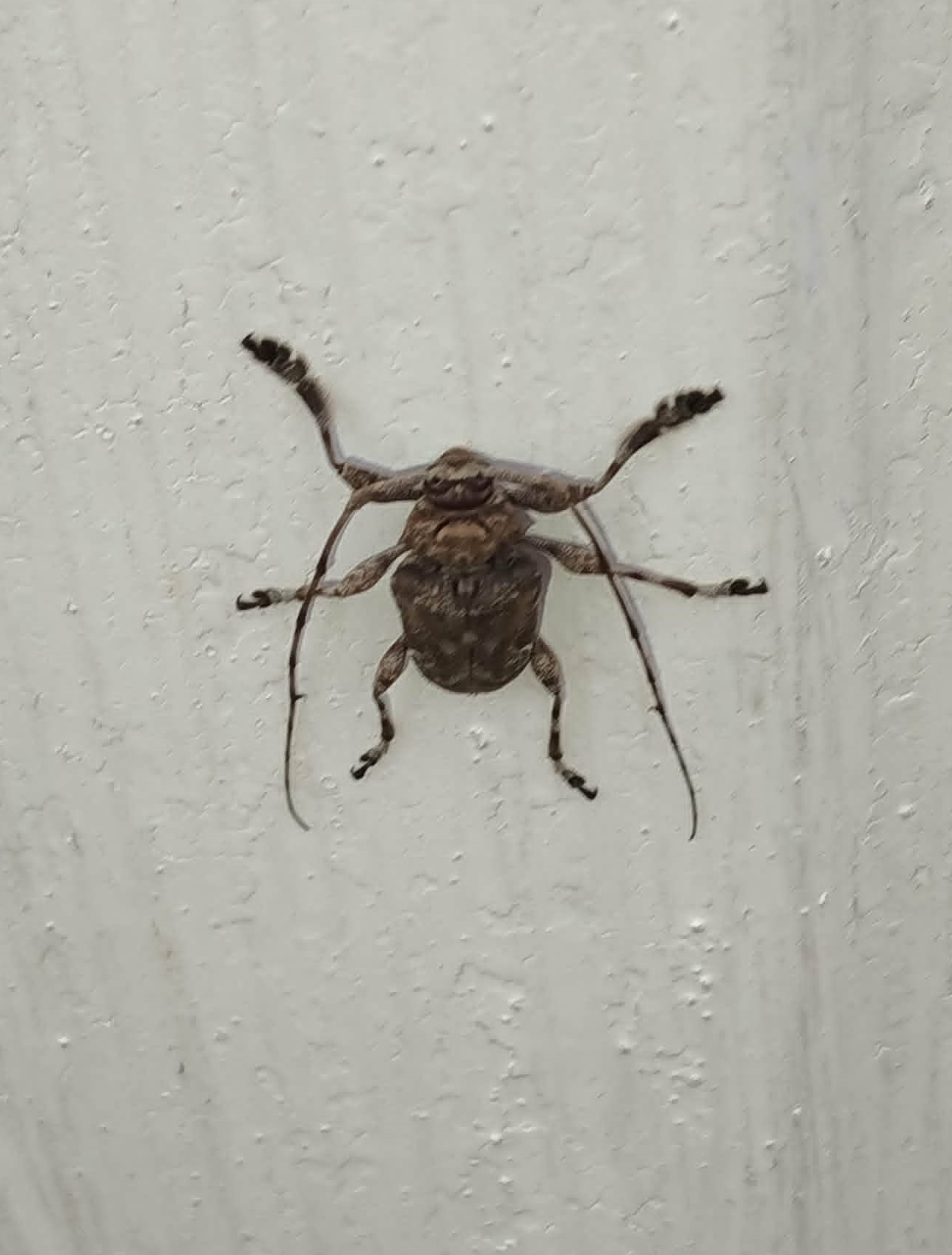
Your photos of migratory insects during the first rains are truly captivating, especially the ones in flight. I'd love to know more about the specific species you've captured here 🦋🌿