Film Series Review: The Thin Man (1934 - 1947)
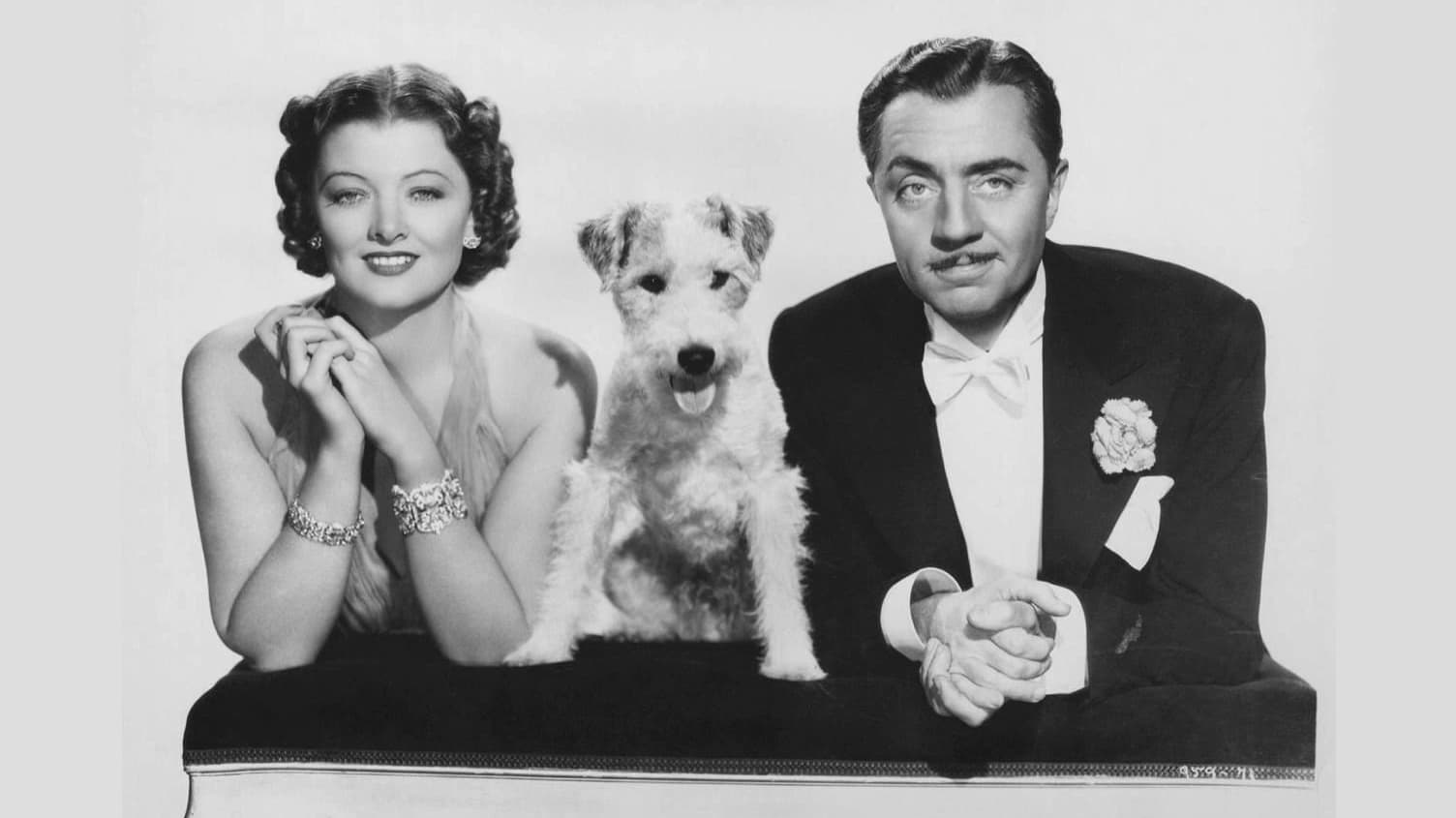
The Thin Man film series, spanning six instalments between 1934 and 1947, remains one of Classic Hollywood's most enduring legacies—not necessarily for the intricacy of its mysteries, but for the effortless chemistry between William Powell and Myrna Loy as Nick and Nora Charles. Based on the individual reviews provided, a clear narrative emerges: a franchise that began with genuine innovation and wit, yet gradually succumbed to formulaic repetition and diminishing creative returns.
The Thin Man (1934), directed by the remarkably efficient W. S. Van Dyke, established the template with considerable flair. Adapted from Dashiell Hammett's novel—a somewhat uncharacteristic work for the author of hard-boiled crime fiction—the film transplanted the detective genre into an upper-class milieu, pairing a retired sleuth with his wealthy, spirited wife. What elevated the material beyond its rather conventional "whodunnit" plot was the sparkling dialogue penned by screenwriting spouses Albert Hackett and Frances Goodrich, whose own marriage evidently informed the Charleses' banter. Powell and Loy, already possessing formidable screen chemistry, delivered performances brimming with warmth, sophistication, and a post-Prohibition joie de vivre that resonated with contemporary audiences. The film's willingness to include subtle sexual innuendo—before the strict enforcement of the MPAA Production Code—lent it a playful edge that later entries would lack. The original remains the series' high-water mark.
The immediate success of The Thin Man necessitated a sequel, and After the Thin Man (1936) largely replicated the formula. While the production values increased and the cast expanded to include a young James Stewart in an atypical role, the film offered little that was genuinely new. The mystery, resolved in classic Agatha Christie fashion with a gathering of suspects, remained serviceable but predictable. Crucially, the balance began to shift: the murder plot occupied more screen time, occasionally crowding out the witty repartee that constituted the series' primary appeal. Nevertheless, Powell and Loy's charisma, Van Dyke's economical direction, and the continued presence of Asta the terrier ensured that the film remained entertaining, if somewhat derivative.
Another Thin Man (1939) marked a turning point, introducing the Charleses' infant son, Nicky Jr.—a concession to the increasingly conservative Hays Office and a desire to make the franchise more "family-friendly". While the addition of parenthood provided occasional comic opportunities, it also hampered Nick's investigative freedom and diluted the carefree dynamic that had defined the couple. More problematic was an overcomplicated plot stuffed with red herrings, which ultimately rendered the resolution unsatisfying. This was also the last film to draw directly from Hammett's work and the final script by the Hackett-Goodrich team, whose departure would be keenly felt. Though still bolstered by enthusiastic character actors and the enduring appeal of its leads, the film hinted at a franchise beginning to rely on momentum rather than innovation.
By Shadow of the Thin Man (1941), the series had become a well-oiled machine, albeit one running on familiar tracks. With new screenwriters Harry Kurnitz and Irving Brecher at the helm, the mystery—now entirely divorced from Hammett—was unremarkable, adhering to the "least likely suspect" convention. Yet the film compensated with imaginative comic set-pieces: a encounter with a motorcycle policeman on the San Francisco bridge, a dizzying merry-go-round sequence, and a raucous brawl in a pirate-themed restaurant. The cast remained formidable, featuring early appearances by Ava Gardner and Donna Reed. While far from a classic, the film confirmed its status as easily digestible entertainment, sustained by Powell and Loy's undiminished rapport and Van Dyke's reliable direction.
The impact of the Second World War became evident in The Thin Man Goes Home (1944). With Van Dyke deceased and Loy having temporarily left acting for Red Cross service, the production faced new challenges. Director Richard Thorpe maintained a steady pace, and the script attempted novelty by relocating the action to Nick's small-town roots. However, this shift introduced jarring continuity errors—Nicky Jr. vanished without explanation, and Nick's immigrant background was quietly retconned. More significantly, wartime rationing meant the Charleses swapped cocktails for cider, subtly undermining the hedonistic escapism that had been central to their appeal. The murder mystery, introduced late and resolved hastily, felt perfunctory. Though Powell and Loy remained charming, the film' reflects a series struggling to adapt to changed circumstances.
The final instalment, Song of the Thin Man (1947), confirmed the franchise's creative exhaustion. With Loy herself later expressing dissatisfaction, the film suffers from a script that prioritises a forgettable mystery over the sparkling banter that had defined the series. The attempt to inject freshness by setting portions of the film within the jazz milieu—featuring "jive talking" musicians—unintentionally highlighted the advancing age of its stars. While director Edward Buzzell maintained a good pace and the casting (including Dean Stockwell as a recast Nicky Jr.) remained strong, these elements could not compensate for the lack of genuine wit. This is a series concluding not with a flourish, but with a weary sigh.
In retrospect, the Thin Man series endures primarily because of Powell and Loy. Their portrayal of a married couple who remained genuinely enamoured, intellectually matched, and delightfully irreverent was groundbreaking for its time. The films' initial success lay in their sophisticated blend of murder mystery and screwball comedy, underpinned by dialogue that crackled with intelligence and affection. Yet as the series progressed, the balance tipped: mysteries became more convoluted, banter grew scarcer, and the creative team that had forged the original magic departed. External factors—the Hays Code, wartime constraints, and the inevitable ageing of its stars—further eroded the formula's potency.
Ultimately, the Thin Man films offer a fascinating case study in franchise longevity. They demonstrate how charismatic performances and a winning formula can sustain a series long after its creative well has begun to run dry. For modern viewers, the early instalments remain delightful time capsules of pre-Code Hollywood sophistication, while the later entries serve as reminders that even the most charming partnerships cannot indefinitely compensate for diminishing returns. The series may have grown thin, but at its best, it was effortlessly, elegantly, and enduringly brilliant.
Blog in Croatian https://draxblog.com
Blog in English https://draxreview.wordpress.com/
InLeo blog https://inleo.io/@drax.leo
BTC donations: 1EWxiMiP6iiG9rger3NuUSd6HByaxQWafG
ETH donations: 0xB305F144323b99e6f8b1d66f5D7DE78B498C32A7